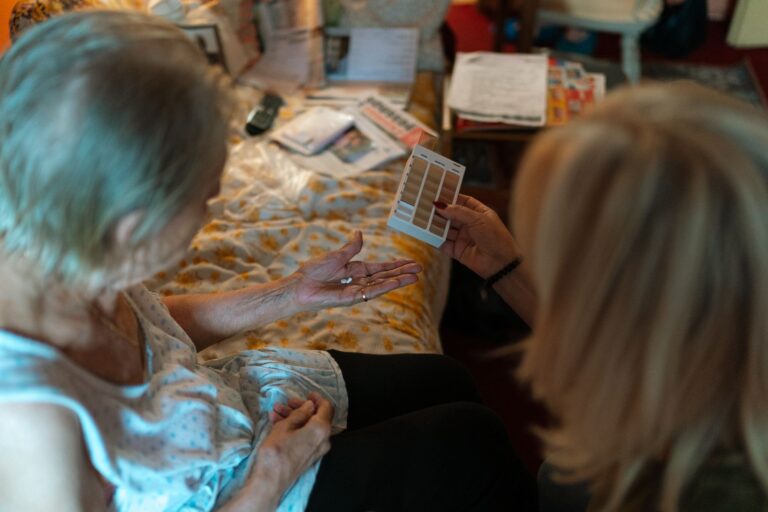
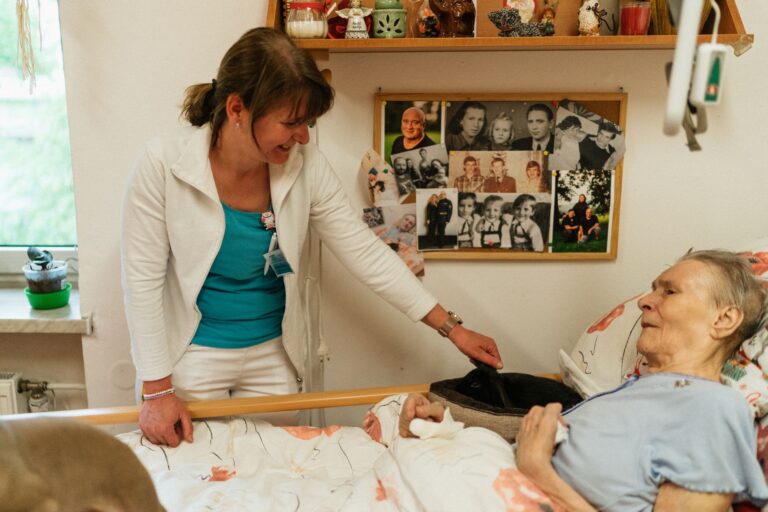
A dementia care plan for nighttime wandering is a written routine for preventing unsafe movement, responding calmly, and acting quickly if the person leaves. Start by tracking patterns, checking unmet needs, securing the environment, and preparing a missing-person plan. Create the plan before the first incident when possible. The Alzheimer's Association estimates that 6 in 10 people living with dementia wander at least once, and wandering can occur at any stage.
Medical information disclaimer: This article is for general educational purposes only and does not provide medical advice, diagnosis, or treatment. Always consult a physician or other qualified health professional about symptoms, medications, tests, or treatment decisions.
Table of Contents
- Identify patterns and possible causes
- Build a steady daytime and evening routine
- Make nighttime movement safer
- Respond calmly when the person wakes
- Prepare for a missing-person emergency
Identify patterns and possible causes
Record when restlessness starts, what happened beforehand, and what the person does next. Note pacing, repeated attempts to leave, confusion about the time, or statements such as needing to go to work. Look for patterns involving meals, bedtime, daytime activity, noise, television, visitors, or changes in the room.
Sundowning—confusion that begins around dusk and continues into the night—can involve anxiety, disorientation, pacing, hallucinations, and sleep difficulty, according to the Alzheimer's Association's guidance on sleep issues and sundowning. Its exact cause is unknown, so the log should guide practical adjustments rather than assume one explanation. Before treating the behavior as an inevitable part of dementia, check for needs or problems that may be addressed: Contact the person's clinician about a sudden behavior change, suspected medication effects, or home circumstances that have become unsafe. Bring the log so the clinician can see when the change began and what tends to precede it.
- A full bladder or need to use the toilet
- Hunger, thirst, constipation, pain, or fatigue
- An uncomfortable bedroom
- Possible infection or another sudden illness
- A recent medication change or suspected side effect
Build a steady daytime and evening routine
Keep wake time, meals, and bedtime as regular as practical. Schedule demanding appointments, bathing, exercise, and household tasks earlier in the day. Provide daylight and daytime activity appropriate to the person's abilities. Reduce stimulation as evening approaches.
Lower noise, limit chores and television, and use familiar activities that do not demand complex choices. A predictable sequence—using the toilet, having an appropriate drink or snack, changing clothes, and settling into a comfortable room—can also reveal needs before they trigger pacing. Review the log after several nights. Change one part of the routine at a time when possible, then record whether nighttime restlessness decreases, moves to a different hour, or remains unchanged. This makes it easier to identify what helps.
Make nighttime movement safer
Walk the route from the bed to the bathroom and exterior doors. Add nightlights, keep needed lighting within reach, and remove departure cues such as visible keys. Store coats, bags, and other items associated with leaving out of sight.
Use layers of protection rather than relying on one device: Locks, alarms, and pressure mats reduce risk but do not guarantee safety. The Alzheimer's Association warns caregivers never to lock a person with dementia inside the home. Every monitoring measure needs a planned, supervised response.
- Secure exterior doors and windows without trapping the person inside
- Place door alarms where they can alert a caregiver
- Consider a bedside or doorway pressure mat
- Keep keys inaccessible but available to the responsible caregiver
- Check that the caregiver can respond safely when an alert sounds
Respond calmly when the person wakes
Approach slowly and speak in a calm, familiar tone. Ask a simple question or look for an immediate need: the toilet, water, food, pain relief, reassurance, or a more comfortable room. Offer gentle orientation, such as saying that it is nighttime and the household is safe. Do not argue about incorrect beliefs or try to force the person back to bed.
Avoid physical restraint. If the person needs to pace, allow supervised movement in a safer area while continuing to offer reassurance. Write a short response sequence that every caregiver can follow: If the behavior becomes a sudden departure from the person's usual pattern, contact the clinician. The same applies when a possible illness or medication effect may be contributing.
- Check for immediate danger and unmet needs
- Reassure without debating
- Guide the person toward a safe, familiar activity or room
- Supervise pacing when redirection does not work
- Record the episode, possible trigger, and what helped
Prepare for a missing-person emergency
Create a written plan and keep it where caregivers can find it quickly. Include a recent close-up photograph, identification and medical information, neighbors' contact instructions, nearby hazards, and places the person may try to reach. Likely destinations can include a former home, workplace, or another familiar location. If the person is missing, begin searching nearby immediately.
Check the grounds and likely destinations while following the written contact plan. Tell responding neighbors or authorities that the missing person has dementia. If the person is not found within 15 minutes, call 911 and explicitly report that the person has dementia, as directed by the Alzheimer's Association's wandering safety guidance. Do not postpone the call to conduct a longer search.