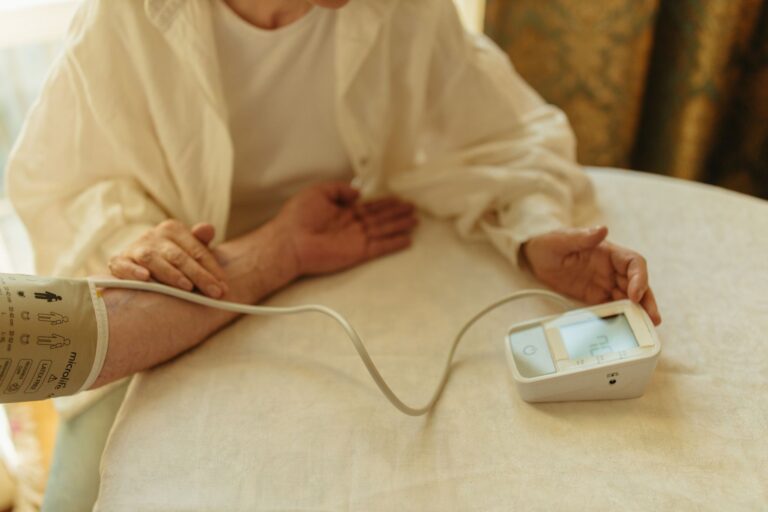
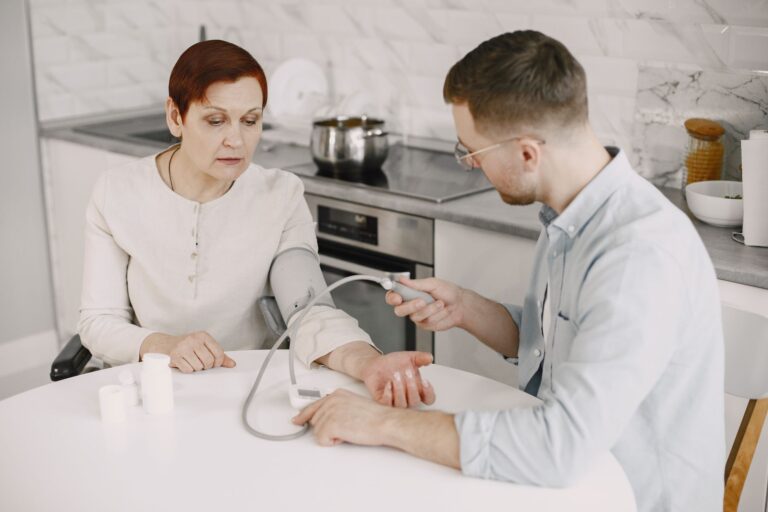
The $409 billion figure is the Alzheimer's Association's projection for 2026 U.S. health care, long-term care, and hospice payments for people age 65 and older with dementia. It is a national estimate—not a typical family's bill—and excludes unpaid caregiving and other economic losses.
The Alzheimer's Association published the projection in its 2026 report. Here, dementia includes Alzheimer's disease and other conditions that cause lasting declines in memory, reasoning, or daily function. Understanding what the projection includes helps families avoid treating it as either a household budget or a complete measure of dementia's impact.
Medical information disclaimer: This article is for general educational purposes only and does not provide medical advice, diagnosis, or treatment. Always consult a physician or other qualified health professional about symptoms, medications, tests, or treatment decisions.
Table of Contents
- What does the $409 billion include?
- Who is expected to pay?
- What can the averages tell a family?
- Why unpaid caregiving changes the picture
- How should readers use the projection?
What does the $409 billion include?
The estimate covers payments for health care, long-term care, and hospice during 2026. It applies to Americans age 65 and older with Alzheimer's or other dementias, and the amount is expressed in 2026 dollars. The Alzheimer's Association estimates that 7.4 million Americans in this age group live with clinical Alzheimer's dementia in 2026.
About 74% are at least 75 years old, so the spending burden centers heavily on older adults and those supporting them. Because this is a projection, it describes expected national spending rather than a final accounting of every 2026 claim. It also combines many settings and stages of illness, from medical treatment to ongoing long-term care.
Who is expected to pay?
medicare and Medicaid are projected to pay $263 billion, or 64% of the total. Individuals are expected to pay another $103 billion, or 25%, from their own funds, according to the Alzheimer's Association's payer breakdown. These shares show why dementia costs affect both public budgets and household finances.
A large public contribution does not mean families are insulated from bills, especially when a person needs help with daily activities over an extended period. Medicare generally does not cover custodial care—help with activities such as bathing, dressing, or eating when skilled medical care is unnecessary. That gap can shift substantial responsibility to families or Medicaid, depending on the person's circumstances.
What can the averages tell a family?
For Medicare beneficiaries age 65 and older, average annual health and long-term-care payments are $46,141 for people with dementia. The comparable average is $15,499 for beneficiaries without dementia, making dementia-related average payments nearly three times as high. The report places average annual out-of-pocket spending for older beneficiaries with dementia at $10,877.
However, that figure excludes nursing-home costs for people who do not qualify for Medicaid, so it should not be treated as a household's maximum possible expense. National and per-person averages are useful benchmarks, but they cannot predict one family's costs. A practical review should separate expenses into categories:.
- Medical, hospital, prescription, and hospice bills
- Paid help at home
- Residential or nursing-home care
- Transportation and home-safety needs
- Work hours or income given up by caregivers
Why unpaid caregiving changes the picture
The $409 billion projection does not assign a value to unpaid care. In 2025, 12.7 million family members and other unpaid caregivers supplied 19.6 billion hours of care, valued at $446.3 billion using state minimum wages and home-health-aide rates, according to the Alzheimer's Association's caregiving analysis. That $446.3 billion is an economic valuation, not money paid directly to caregivers.
It captures the scale of work that disappears from formal spending totals even when families absorb lost time, disrupted employment, and demanding daily responsibilities. A USC-led microsimulation used a broader definition that included unpaid care, lost earnings, and quality-of-life losses for people with dementia and their care partners. It estimated a 2026 societal cost of $818 billion, illustrating how much the total changes when analysts count effects beyond paid services, as described in the USC-led study.
How should readers use the projection?
Use the $409 billion estimate to understand the national financing challenge, not to forecast one person's bill. For household planning, identify which expenses are covered, which require out-of-pocket payment, and which family members are providing unpaid labor.
Useful questions include: The Alzheimer's Association projects covered health and long-term-care payments to reach just under $1 trillion in 2050 dollars. That forecast excludes drug spending and assumes no effects from recently approved disease-modifying treatments or future breakthroughs.
- Which current services are medical, and which are custodial?
- What care could the person need if daily functioning declines?
- Which nursing-home expenses would fall outside the quoted out-of-pocket average?
- How much unpaid time is the family contributing?
- What costs would arise if a caregiver reduced work hours?