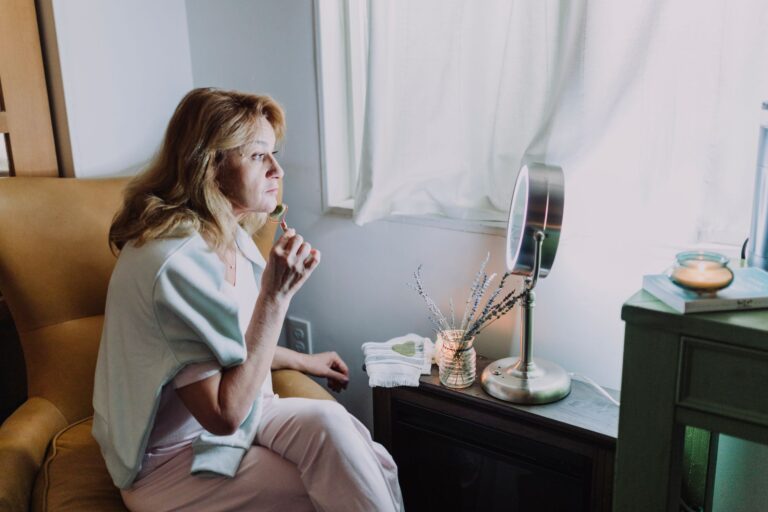
Dementia means a decline in memory, thinking, and everyday skills that makes independent living harder. A useful household role means a familiar, low-pressure chore matched to what the person can do today, shared for company and pride rather than used to test memory.
Small finished tasks help the person feel useful and steady. The focus stays on time together, not on a perfect result. The role works best when it changes with fatigue, stress, and disease progress.
Medical information disclaimer: This article is for general educational purposes only and does not provide medical advice, diagnosis, or treatment. Always consult a physician or other qualified health professional about symptoms, medications, tests, or treatment decisions.
Table of Contents
- Which chores make a good role?
- How do you set up success one step at a time?
- How can you encourage without quizzing?
- How do you keep the role safe on changing days?
Which chores make a good role?
The National Institute on Aging lists familiar chores as suitable daily activities for people with Alzheimer's. Examples include washing dishes, setting the table, sweeping, dusting, sorting mail, sorting socks and folding laundry.
Miami Jewish Health points to a stable role such as folding laundry, wiping tables, watering plants or preparing simple ingredients. That steady job gives purpose during the day. It can preserve independence longer and reduce agitation.
How do you set up success one step at a time?
The National Institute on Aging advises matching the chore to current ability. Choose something that can be fun for both people.
Change the activity as abilities change. Give one clear step at a time and allow extra time: The Mayo Clinic explains that Alzheimer's impairs planning and performing familiar multi-step tasks, which is why this one-step guidance helps. Simple words, one action, and extra time lower frustration.
- Show the single step, then do it together.
- Wait patiently while the person works.
- Offer the next single step only when ready.
How can you encourage without quizzing?
Do not test memory with questions like "Don't you remember?" Do not argue when the person seems confused. The National Institute on Aging tip sheet warns in this quizzing warning that quizzing raises embarrassment, anxiety and withdrawal.
The UC San Diego Alzheimer's Disease Research Center stresses enjoyment, companionship and a sense of accomplishment over a perfect result. Even a small finished task counters uselessness and supports self-esteem.
How do you keep the role safe on changing days?
The National Institute on Aging home safety guidance calls for supervision around risky tasks. Avoid leaving the person to cook a full meal, use an entire appliance, or handle breakable, sharp or hazardous supplies alone. Use latches and fall safeguards where needed.
Alzheimer's Research UK notes that ability shifts with fatigue, stress and disease progress. A chore that succeeds one day may fail the next. Schedule easier tasks when the person is tired and keep a calm backup plan, such as sorting socks at the table.