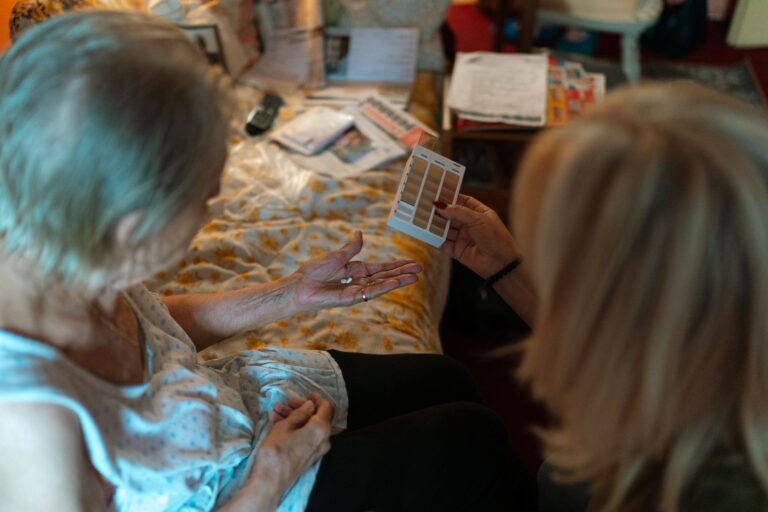
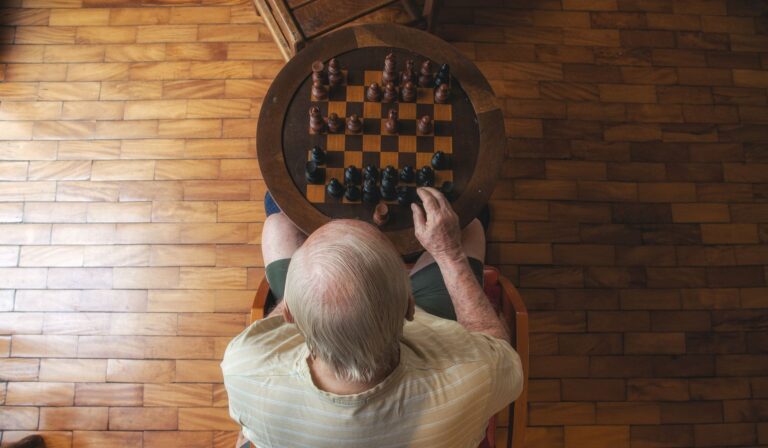
A dementia activity plan works best when it starts with the person's own preferences, not a worksheet's finished boxes. The goal is meaningful comfort and participation, not completing a craft, puzzle, or chore. A personalized plan uses familiar interests, routines, strengths, and timing to make an activity feel possible and worthwhile.
Medical information disclaimer: This article is for general educational purposes only and does not provide medical advice, diagnosis, or treatment. Always consult a physician or other qualified health professional about symptoms, medications, tests, or treatment decisions.
Table of Contents
- What "personalized" really means
- Why completion is the wrong measure
- How to choose an activity for today
- Adjust the task, not the person
- Treat the plan as a living record
What "personalized" really means
A personalized activity is not simply a generic option chosen from a list. NICE defines it as something the person considers feasible, acceptable, enjoyable, suitable, and helpful. NICE's activity guidance That standard changes the question from "What activity should we do?" to "What might this person want and manage today?" Someone who loved gardening may enjoy sorting seed packets, holding a favorite plant, or looking through garden photographs.
The useful activity may be smaller than the former hobby. Preferences can come from lifelong favorites, work history, family routines, and current abilities. A former cook may prefer stirring ingredients or choosing a recipe photo over following every step of a meal.
Why completion is the wrong measure
A worksheet can make success look simple: finish the page, solve the puzzle, complete the task. Dementia changes attention, memory, movement, language, and energy, so that measure can turn an otherwise pleasant activity into a test. The Alzheimer's Association advises caregivers to emphasize enjoyment rather than achievement.
The activity type and whether it is completed matter less than the person's joy and sense of accomplishment. Alzheimer's Association daily-care guidance Consider two outcomes. A person may color only one corner of a picture but smile, talk, and stay calm; that is a worthwhile activity. Another may finish an entire worksheet while becoming tense or discouraged; the completed page is not the better result.
How to choose an activity for today
Start with one familiar, manageable option and shape it to the person's current capacity. The Alzheimer's Association recommends considering lifelong interests, current skills, work history, and the person's best time of day, then adapting as abilities change.
Alzheimer's Association activity suggestions A simple planning note can include: Offer a choice when possible, but keep it simple. "Would you rather listen to these songs or look at the photo album?" is often easier than asking someone to choose from many options.
- What the person has enjoyed or valued
- What they can comfortably do now
- When they tend to be most alert or settled
- What makes the activity easier, such as music, quiet, company, or fewer steps
- What signs mean it is time to pause or change course
Adjust the task, not the person
If an activity becomes difficult, reduce the demand without taking away its meaning. Put out fewer puzzle pieces, use larger materials, begin the first step together, or shift from doing to watching and talking. Rest, stopping, and changing the plan are valid responses when frustration rises.
Success can be judged by comfort, participation, and meaning rather than by whether every step was finished. The Alzheimer's Association's activity guidance The same preference can support several versions of an activity. A person who once enjoyed reading may listen to a familiar passage, look through an illustrated book, or discuss a remembered story. The interest remains central even as the task changes.
Treat the plan as a living record
Personalized activities can help, but they are not a permanent prescription. A randomized trial involving 160 veterans with dementia found that customized activities reduced behavioral symptoms, functional dependence, pain, and caregiver distress at four months compared with education alone; those benefits did not persist at eight months. The 2018 *Journal of the American Geriatrics Society* trial record That is a practical reason to revisit the plan.
Keep what still brings ease or interest, simplify what has become tiring, and set aside activities that no longer fit. Evidence also has limits. A Cochrane review found personally tailored activities may reduce challenging behavior and slightly improve quality of life for people with mild-to-moderate dementia living at home, but the evidence was low certainty and showed little or no clear effect on depression or engagement. Cochrane's review of tailored activities.