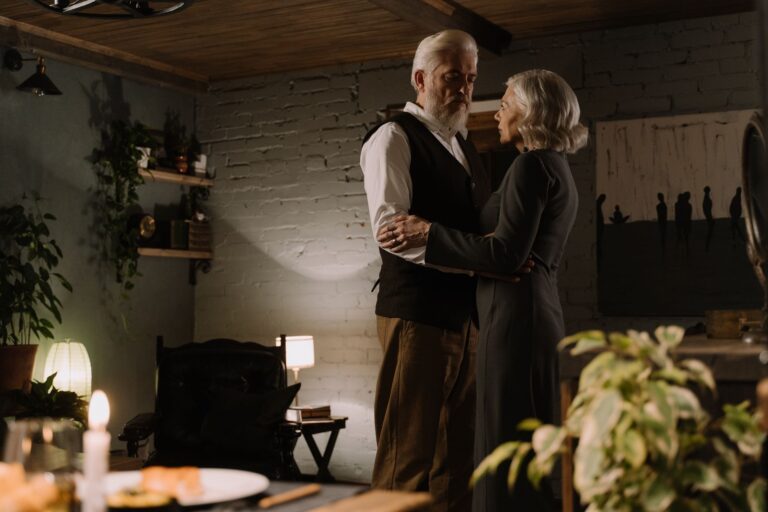
Dance is linked to lower dementia risk, and limited mobility does not have to stop participation. Seated options let adults move to music while staying supported and engaged. Incident dementia means new cases that appear during follow-up. The evidence is promising but limited, so safe adaptation matters as much as enthusiasm.
Medical information disclaimer: This article is for general educational purposes only and does not provide medical advice, diagnosis, or treatment. Always consult a physician or other qualified health professional about symptoms, medications, tests, or treatment decisions.
Table of Contents
- What did the older-adult study find?
- What do wider reviews show?
- How much movement counts?
- How does seated dance include limited mobility?
What did the older-adult study find?
Researchers followed 469 community-dwelling adults over 75 without dementia for a median 5.1 years. Frequent dancing was one of few leisure activities tied to lower incident dementia, according to the New England Journal of Medicine via its PubMed record.
The often cited 76% lower risk for the most frequent dancers is an observational link from that small elderly group. It does not prove dance prevents dementia, the Einstein Aging Study investigators reported in the same journal.
What do wider reviews show?
A 2021 systematic review and meta-analysis in Frontiers in Aging Neuroscience found dance programs improved global cognition, memory, executive function, attention, and mood in older adults with mild cognitive impairment. Global cognition means overall thinking, while executive function covers planning and focus.
Combined results from 58 studies suggest regular exercisers may be up to 20% less likely to develop dementia. Alzheimer's Society UK summarizes that result in its risk reduction guidance.
How much movement counts?
The NHS advises at least 150 minutes weekly of moderate aerobic activity such as brisk walking, cycling or dancing. Inactivity raises vascular risks linked to dementia, the NHS states in its dementia prevention guidance.
There is no certain way to prevent Alzheimer's. Regular activity and heart-health steps can still lower risk. Adults with limited mobility should adapt activity safely with balance and fall-safe choices, according to the Alzheimer's Association.
How does seated dance include limited mobility?
Seated dance sessions let adults join seated or standing according to capability. The Bath and North East Somerset Council Live Well directory describes that format as inclusive for limited mobility and dementia-friendly in its activity listing. A 2025-2026 care-home pilot used seated Chair Dance so residents with limited mobility could join safely.
It aimed to support mood, cognitive engagement and wellbeing, according to Glenholme with Daily Sparkle and Synergy Dance. Ask family, staff, or a clinician about session length and fall-safe seating. Bring music the person enjoys and keep the routine regular and sociable.
- Choose a sturdy chair and clear floor space.
- Start seated, adding arm, shoulder, and foot patterns to music.
- Try standing only with support and steady balance.