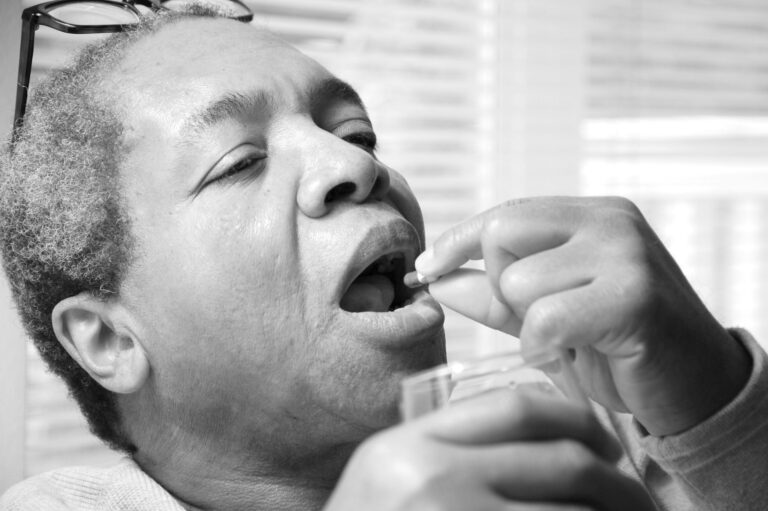
Building medication review into a realistic dementia prevention routine after 65 means adding one yearly person-centred check of all medicines to blood pressure, hearing, activity and other brain-health habits. A Structured Medication Review is that check, a full look at prescriptions, over-the-counter products and supplements with a clinician to weigh benefit and harm.
Prevention still leaves much room for action. According to Alzheimer Europe summarizing the 2024 Lancet commission, about 45% of dementia cases worldwide link to 14 modifiable factors including hearing and vision loss, high LDL, hypertension, diabetes and isolation Alzheimer Europe summary of the 2024 Lancet commission. Medicines fit beside those factors because some older-adult drugs affect thinking, balance and daily function.
Medical information disclaimer: This article is for general educational purposes only and does not provide medical advice, diagnosis, or treatment. Always consult a physician or other qualified health professional about symptoms, medications, tests, or treatment decisions.
Table of Contents
- Why medicines belong in a brain-health plan
- Which medicines deserve a second look after 65
- What a good review actually covers
- How to fit the review into one yearly visit
Why medicines belong in a brain-health plan
Some drugs with strong anticholinergic effects have the clearest link to dementia risk. In a JAMA Internal Medicine study of 3,434 Seattle adults age 65 and older, the heaviest 10-year users of strong anticholinergics had 54% higher dementia incidence than nonusers JAMA Internal Medicine cohort report. That study followed people without dementia for 7.3 years and adjusted for other risk factors.
Because that design was observational, it shows a link rather than proof that stopping a drug prevents dementia. Illness itself and reasons for prescribing can also shape risk. A review is therefore a safety step, not a guarantee against dementia.
Which medicines deserve a second look after 65
The American Geriatrics Society Beers Criteria lists drugs generally best avoided after 65 because of confusion, falls, bleeding and kidney risks American Geriatrics Society Beers Criteria update. The list includes first-generation antihistamines, benzodiazepines, Z-drugs for sleep, NSAIDs, muscle relaxants and sliding-scale insulin.
Common examples are diphenhydramine for allergies or sleep, oxybutynin for bladder symptoms, and nightly sedatives for insomnia. Risk rises with higher doses, longer use and combinations that add sedation or anticholinergic load. Any list is only a starting point because personal history can change the balance.
What a good review actually covers
A useful review looks at every product taken regularly or as needed, not only prescriptions. Bring bottles, inhalers, eye drops, sleep aids, pain pills, allergy pills and vitamins. Note dose, timing, reason started, who prescribed it and any confusion, dry mouth, constipation, dizziness or falls since starting. Then ask three direct questions for each item.
Is it still needed. Is the dose still right for age, kidneys and balance. Is there a safer option or non-drug step. Never stop a sedative, bladder drug, antidepressant or pain drug suddenly on your own because withdrawal and rebound symptoms are real.
How to fit the review into one yearly visit
Medicare Part B Yearly Wellness visits must include a review of current prescriptions and a cognitive check for dementia signs, with a separate covered visit for fuller testing if needed Medicare yearly Wellness visits coverage page. That visit makes a natural anchor for the habit. Put the next Wellness visit on the calendar before leaving and bring the bag again.
- Pack all medicines in a bag one week before the visit.
- Write one line per drug: why you take it and any side effect.
- Flag sleep, anxiety, allergy, bladder and pain drugs for discussion.
- Ask what to reduce, stop, switch or monitor before next year.