“Cruelty-free” means a product and its ingredients have not been tested on animals at any stage of development—whether by the brand itself, its suppliers, or any third parties involved in production. When you buy a cruelty-free cosmetic, for example, the company hasn’t tested formulas on animals, and neither have the ingredient suppliers or contract laboratories it works with. This matters because the alternative—animal testing—has been standard practice in the beauty and personal care industry for decades, with thousands of animals used annually to verify product safety. However, there’s a critical catch: “cruelty-free” is not regulated by the U.S.
government. This means companies can define the term themselves in different ways, and claims lack legal standardization. One brand’s definition might differ significantly from another’s, which is why certification from third-party organizations has become essential for consumers who actually want to verify a brand’s practices rather than simply trust marketing language. This article explains what cruelty-free means for brands and consumers, how to identify genuinely cruelty-free products, and why the certification landscape matters more than the label itself.
Table of Contents
- What Does “Cruelty-Free” Actually Mean for Beauty and Personal Care Products?
- The Certification Organizations That Actually Verify Cruelty-Free Status
- The Important Distinction Between Cruelty-Free and Vegan
- How to Actually Identify Cruelty-Free Products When Shopping
- The Greenwashing Problem and Why Unregulated Terms Matter
- Market Growth and the Shift Toward Mainstream Ethical Beauty
- What This Shift Means for Brands and Future-Focused Consumers
- Conclusion
- Frequently Asked Questions
What Does “Cruelty-Free” Actually Mean for Beauty and Personal Care Products?
The core definition is straightforward: no animal testing at any stage. But “stage” is the important word here. A brand cannot claim cruelty-free status if it tests on animals, if its ingredient suppliers test on animals, if it sells in countries that legally require animal testing (like mainland China, historically), or if it contracts out testing to third parties. This is why some large cosmetic conglomerates that own multiple brands have inconsistent cruelty-free statuses—one subsidiary might be cruelty-free while another owned by the same parent company is not.
The concept emerged in response to regulatory requirements that historically demanded animal testing for safety verification. For cosmetics, this typically meant testing on rabbits, guinea pigs, and mice to assess skin irritation, eye damage, and systemic toxicity. While regulatory frameworks have evolved, particularly in Europe where animal testing for cosmetics was banned in 2013, the practice remains common in other regions and for ingredients that fall outside cosmetics regulations. A practical example: a sunscreen brand claiming cruelty-free status must verify that not only did it not test the finished sunscreen on animals, but that its UV filters, thickening agents, and preservatives were also developed and approved without animal testing. This requires traceability across the entire supply chain, which is why genuinely cruelty-free brands typically work with established suppliers they’ve vetted—they cannot switch to a cheaper ingredient supplier without confirming its testing practices.
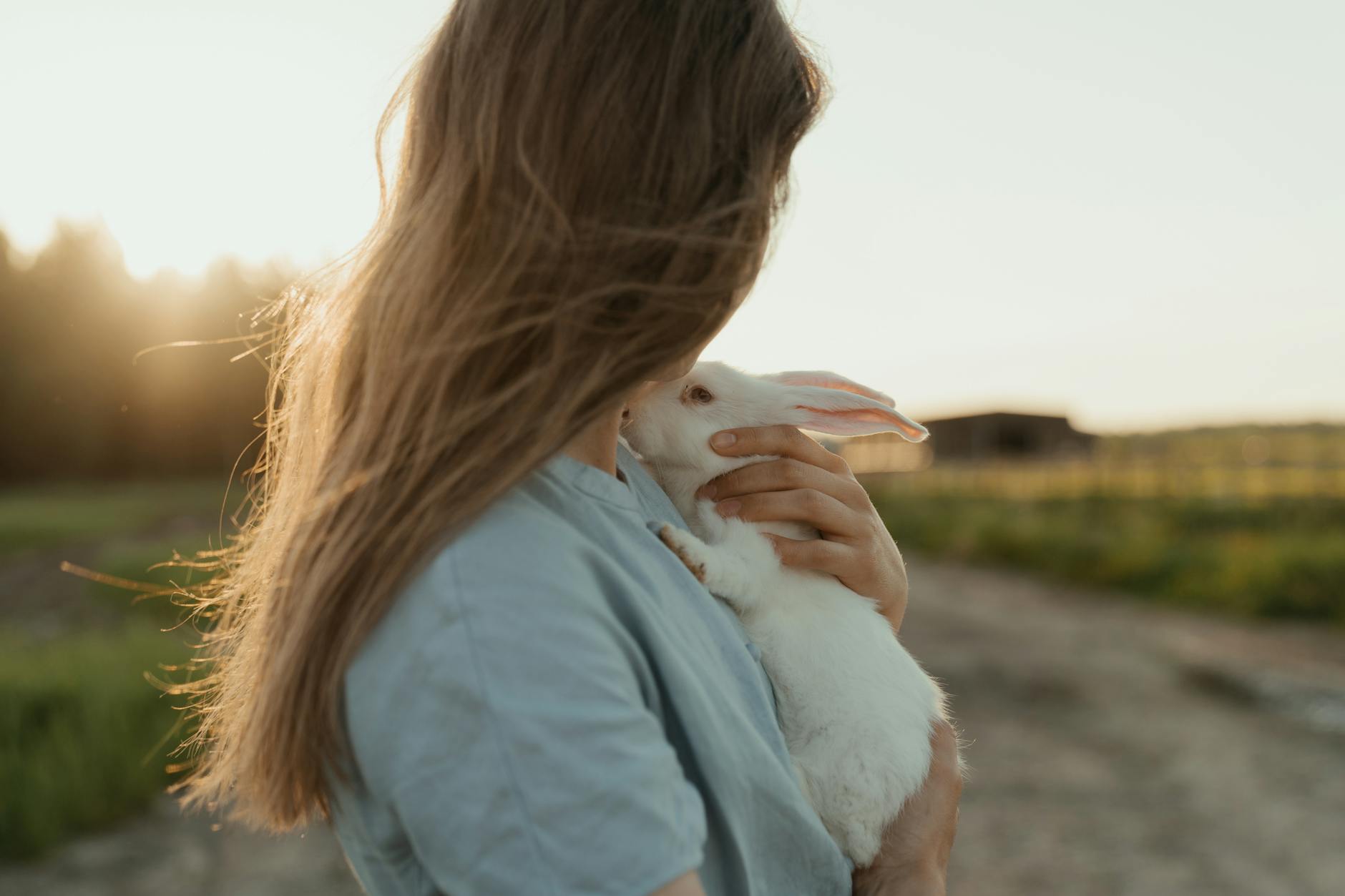
The Certification Organizations That Actually Verify Cruelty-Free Status
Because the government doesn’t regulate cruelty-free claims, independent certification programs have become the gold standard for verification. The most recognized certifiers have different scopes and requirements, and understanding these differences helps you assess how rigorous a claim actually is. Leaping Bunny, managed by Cruelty Free International, is widely considered the gold standard in cruelty-free certification. Over 700 companies currently hold Leaping Bunny certification, with 2,300+ Leaping Bunny Certified companies existing globally. What makes Leaping Bunny more rigorous than others is its requirement for independent audits and a fixed cut-off date policy—brands must prove they haven’t tested on animals since a specific date and maintain ongoing compliance. This means certification isn’t a one-time claim but an ongoing commitment subject to periodic review.
However, the stringency comes at a cost: certification requires investment in documentation and audits, which is why smaller indie brands sometimes skip it despite having genuinely cruelty-free practices. PETA’s beauty Without Bunnies program takes a different approach, focusing on reach and accessibility. Over 3,800 cruelty-free companies are listed in PETA’s searchable database, and the program reaches approximately 2.7 million potential customers annually. This broader reach reflects lower barriers to entry than Leaping Bunny, which means more companies can participate but with less intensive verification. The Vegan Society’s Vegan Trademark is more specialized—it covers over 35,000 cosmetic and toiletry products worldwide and requires additional verification that products contain no animal-derived ingredients (not just that they weren’t tested on animals). Australia’s Choose Cruelty Free (CCF) operates similarly to Leaping Bunny but requires legally binding contracts for accreditation, making it another respected but region-specific certification.
The Important Distinction Between Cruelty-Free and Vegan
One of the most common sources of confusion is treating “cruelty-free” and “vegan” as synonymous. They are not. A product can be cruelty-free but not vegan, and theoretically could be vegan but not cruelty-free, though the latter is rare in practice. Cruelty-free means the product itself and its ingredients were not tested on animals. Vegan means the product contains no animal-derived ingredients—no honey, beeswax, lanolin, carmine, shellac, or other materials derived from animals.
A cruelty-free sunscreen might contain beeswax as an emulsifier and still hold legitimate cruelty-free certification, even though it’s not vegan. That beeswax wasn’t tested on animals, but it’s still an animal product. For consumers, this distinction matters because your ethical priorities might not align. If your concern is specifically about animal testing practices, cruelty-free is what you’re looking for. If your concern extends to supporting animal agriculture and product sourcing, you’ll need vegan certification as well. Some brands hold both certifications, but requiring both narrows your choices significantly—which is why many people prioritize cruelty-free first and accept some animal-derived ingredients if the testing practices are confirmed.

How to Actually Identify Cruelty-Free Products When Shopping
The most reliable method is checking whether a brand holds certification from one of the major programs rather than trusting the label alone. Look for the Leaping Bunny logo, which appears on packaging and is immediately recognizable. If a brand claims cruelty-free but doesn’t display any certification logo, visit Cruelty Free International’s approved brands list or PETA’s searchable database to verify the claim. These organizations maintain current lists and regularly update them as brands change ownership or practices. Brand ownership matters more than you might think. If a cruelty-free brand is acquired by a parent company that isn’t cruelty-free, the acquired brand typically loses its certification unless the parent company commits to cruelty-free practices across its operations.
This is why certification programs monitor ownership changes and require disclosure. Some consumers accept this transition, while others view it as a red line—knowing a beloved brand is now owned by a company that tests on animals elsewhere. A practical shopping approach: if you see a “cruelty-free” claim without a certification logo, take 30 seconds to verify it. Check the brand’s website for links to certification documentation, or search the brand name on Leaping Bunny or PETA’s site. Brands with genuine certification will proudly display that information because it differentiates them from competitors. If you can’t find verification, the claim is likely either outdated, unverified, or the company is relying on vague language to suggest ethics without actual commitment.
The Greenwashing Problem and Why Unregulated Terms Matter
Because “cruelty-free” is unregulated, companies can make the claim without independent verification, and enforcement is essentially non-existent unless certification organizations or competitor brands challenge the claim. This has led to what’s commonly called greenwashing—making ethical claims without substantive practices to back them up. A company might, for example, avoid direct animal testing but source ingredients from suppliers that do test on animals, then claim it’s “not tested by us” and market itself as cruelty-free. Technically, the company’s own labs didn’t test the finished product on animals, but the claim is misleading.
This is why the term “fixed cut-off date” in Leaping Bunny certification is crucial—the organization requires brands to prove they haven’t used animal-tested ingredients within a specific window, not just that their in-house labs don’t conduct tests. Another greenwashing tactic: acquiring legitimate cruelty-free brands specifically to maintain their certification status while continuing non-cruelty-free practices elsewhere. A parent company might keep one acquired brand certified to maintain its ethical market segment while all other brands in its portfolio continue testing on animals. For conscious consumers, this highlights why checking ownership and the parent company’s overall practices matters more than the individual brand’s claim.
Market Growth and the Shift Toward Mainstream Ethical Beauty
The cruelty-free cosmetics market was valued at $7.83 billion in 2025 and is projected to grow to $14.3 billion by 2035, representing a compound annual growth rate of 6.21%. This growth reflects a fundamental shift in consumer expectations—ethical beauty is moving from a niche market driven by dedicated activists to a standard expectation, particularly among younger consumers. In 2026, transparency in ingredient sourcing, brand ownership, and testing practices is becoming a baseline competitive factor, not a differentiation premium.
Major regulatory developments are accelerating this shift. The European Commission confirmed a “Save Cruelty Free Cosmetics” roadmap in 2026, aimed at transitioning toward new-approach methods (NAMs) for chemical safety assessments and eliminating animal testing across 15 legislative areas, including the REACH Regulation. This isn’t just symbolic—it represents a commitment to fund and develop alternative testing technologies and phases out reliance on animal models. For brands, this means investment in non-animal testing methods is becoming economically necessary, not just ethically preferable.
What This Shift Means for Brands and Future-Focused Consumers
For brands, going cruelty-free is no longer a marketing niche—it’s becoming table stakes in many product categories, particularly cosmetics and personal care. Companies that haven’t addressed animal testing practices are increasingly viewed as outdated by mainstream consumers, not just activist segments. This is driving consolidation: large conglomerates are acquiring established cruelty-free brands to gain market access, and existing brands are pursuing certification to differentiate themselves.
The forward-looking reality is that alternative testing methods—cell cultures, tissue engineering, computational modeling—are becoming more cost-effective and accurate than animal models. As these technologies mature and regulatory agencies accept them, the economic argument against animal testing strengthens. By 2030, claiming cruelty-free will likely be the default for most cosmetic brands, and the real differentiator will shift to other ethical factors: manufacturing practices, ingredient transparency, sustainability, and fair labor standards.
Conclusion
“Cruelty-free” means no animal testing at any stage of product development—by the brand, its suppliers, or third parties. However, the term is unregulated in the U.S., so consumer protection depends on third-party certification from organizations like Leaping Bunny, PETA, the Vegan Society, or Choose Cruelty Free. Checking certification and understanding the differences between these programs is far more reliable than trusting unverified marketing claims.
The cruelty-free cosmetics market is growing rapidly and moving toward mainstream status. For consumers, this means more options and greater transparency in coming years. For brands, it signals that ethical practices aren’t optional but essential for relevance. The practical step for any conscious consumer is to verify claims through certification databases before purchasing—taking 30 seconds to confirm certification prevents supporting companies that rely on misleading language rather than genuine commitment.
Frequently Asked Questions
Can a product be cruelty-free if it’s sold in China, which requires animal testing?
No. If a brand sells in mainland China through required channels that involve animal testing, it cannot claim cruelty-free status. Some brands navigate this by not selling directly to mainland China, though selling through third-party retailers in China can be a gray area that certification programs scrutinize.
Is “not tested on animals” the same as cruelty-free?
Not necessarily. A brand might avoid testing the final product on animals but source ingredients that were tested on animals elsewhere. Cruelty-free certification verifies the entire supply chain, not just the finished product testing.
Does cruelty-free certification cost brands money?
Yes. Leaping Bunny certification requires independent audits and documentation, which involves fees and ongoing compliance costs. This is why some smaller brands skip certification despite being genuinely cruelty-free—cost and complexity can be barriers.
Can a cruelty-free brand become non-cruelty-free if it’s acquired?
Yes, if the parent company doesn’t maintain cruelty-free practices across the brand or if ownership changes lead to policy changes. Certification requires ongoing compliance, so certification is lost if practices change.
Are natural or organic brands automatically cruelty-free?
No. “Natural” and “organic” refer to ingredient sourcing, not testing practices. A natural brand might use suppliers that conduct animal testing, making it non-cruelty-free despite its other ethical attributes.
What’s the difference between “cruelty-free” and “against animal testing”?
“Against animal testing” is a statement of values; “cruelty-free” is a certified claim about practices. A brand can oppose animal testing philosophically while not being certified or verified as cruelty-free.