A safe home for a brain injury survivor means more than removing visible hazards. It requires a thoughtful combination of physical modifications, cognitive support systems, and tailored supervision that accounts for each person’s specific challenges—whether that’s mobility problems, memory issues, impaired judgment, or sensory sensitivities. According to the Centers for Disease Control, roughly 1.5 million Americans sustain a traumatic brain injury annually, and 80,000 to 90,000 of those people develop long-term disabilities that will affect how they move through their homes for years to come.
The challenge isn’t just about preventing falls, though that matters. It’s about creating an environment where a person recovering from brain injury can regain independence safely—one that compensates for weaknesses without infantilizing the survivor, and that makes daily tasks manageable without removing all responsibility. A survivor might have intact physical strength but poor judgment about using the stove, or perfect cognitive awareness but difficulty walking down stairs. The home has to meet people where they actually are.
Table of Contents
- Physical Modifications That Prevent Falls and Injuries
- Cognitive and Sensory Home Design
- Professional Occupational Therapy Evaluation
- Assistive Technology and Monitoring Systems
- Multifactorial Fall Prevention
- Routine, Supervision, and Behavioral Safety
- Nutrition, Sleep, and Basic Needs in Recovery
Physical Modifications That Prevent Falls and Injuries
The foundation of a safe home starts with eliminating the most common physical risks. Grab bars installed next to the toilet, tub, shower, and along stairways give survivors something to steady themselves on—but placement matters. A grab bar installed too high or at the wrong angle becomes useless or even a hazard if someone pulls too hard. Similarly, ADA-compliant ramps with a 1:12 slope ratio work for walkers and wheelchairs, but a shallow ramp that’s too long can be just as frustrating as stairs for someone with limited endurance. Non-slip mats in bathtubs, showers, and kitchens address one of the highest-risk areas in the home.
Bathrooms account for a disproportionate number of falls for people with brain injuries, partly because wet surfaces combine with balance problems and partly because it’s a space where people often feel rushed. Nightlights placed in hallways and bathrooms improve visibility for nighttime movement—critical for survivors who might not remember the layout of their own home after a brain injury, or who wake disoriented and need clear sightlines. Removing tripping hazards sounds obvious, but it requires looking at the home like someone with impaired spatial awareness or attention. Loose rugs, clutter stacked in corners, electrical cords running across walkways, and even throw pillows on the floor become obstacles that a person moving carefully can catch their foot on. Wide doorways and power-operated door openers allow independent entry and exit without the frustration of struggling with heavy doors—a small dignity that matters more than it sounds.
Cognitive and Sensory Home Design
memory and attention problems after brain injury mean the home itself has to be a memory aid. Labeled cupboards and drawers—with words and pictures if literacy is affected—let someone find what they need without asking for help every time. Reminder notes taped to the coffee maker, medication cupboard, or door work for some survivors; others need phone alarms set for medication times or alarm clocks for appointments. One limitation of relying on notes and labels is that they only work if the person notices them. A survivor with attention problems might walk past a reminder a dozen times without registering it. Some families move to larger print or bright neon labels; others add a voice recording to a smart speaker that announces reminders at set times.
Reducing clutter and creating quiet areas becomes essential for people with sensory sensitivity after brain injury—something often overlooked because it’s not a visible disability. Survivors often report that excessive visual clutter or background noise makes thinking harder and increases fatigue. A home with fewer decorative items, clear surfaces, and designated quiet spaces where the survivor can retreat improves both comfort and safety. Lighting adjustments and use of earplugs or headphones address light and sound sensitivity that can emerge after brain injury. Some survivors develop photophobia—light becomes physically painful—while others become hypersensitive to everyday sounds like kitchen fans or traffic noise. These sensitivities are real neurological changes, not preferences, and they affect how safely someone can move through their home. Someone in pain from fluorescent lighting will move less carefully and pay less attention to obstacles.
Professional Occupational Therapy Evaluation
Before modifying a home, an occupational therapist should evaluate it. This isn’t optional when safety is at stake, and it’s the one step that clinical evidence consistently identifies as fundamental. An OT can identify hazards that family members miss because they’re too close to the situation. They can also recommend modifications tailored to the specific person, rather than generic safety upgrades that might not address their actual limitations.
An OT might notice that a survivor can transfer from wheelchair to bed independently—so a transfer bar isn’t needed—but struggles with reaching items in high cabinets because of a shoulder injury. Another survivor might have perfect reach and balance but no memory of where things are, requiring visual cues instead of physical safety devices. This kind of personalization matters because the wrong modification can actually create new problems. A bathroom grab bar installed in the wrong spot might give false confidence and lead to a fall, or it might get in the way of a walker or crutch. Professional assessment prevents these unintended consequences.
Assistive Technology and Monitoring Systems
Beyond physical modifications, technology can bridge gaps that environmental changes alone can’t address. Wearable monitors and fall detection systems alert caregivers immediately when a fall happens, reducing the time someone might spend on the ground unable to call for help. GPS trackers help when a survivor is at risk of wandering due to cognitive damage, allowing caregivers to locate them quickly rather than searching or calling police. Smart-home sensors can detect when someone hasn’t moved in an expected room for too long, or when a stove has been on for an unusual duration, and send alerts to a caregiver’s phone.
Home automation systems for lighting and alarms give a survivor more control while also allowing remote management by caregivers when judgment is impaired. The trade-off with all assistive technology is that it requires initial setup, ongoing maintenance, and someone to pay for it—a significant barrier for families without resources or technical comfort. A wearable fall-detection device costs hundreds to thousands of dollars. A smart-home system requires internet, electricity, and troubleshooting when devices fail. These are powerful tools but not universally accessible.
Multifactorial Fall Prevention
Clinical evidence from fall-prevention research shows that environmental modification alone isn’t enough. The most effective approaches combine behavioral change, environmental modification, and physiological interventions. The CDC endorses the STEADI (Stopping Elderly Accidents, Deaths, and Injuries) toolkit, which emphasizes assessing fall risk using validated tools before implementing modifications, then combining environmental changes with vision screening, footwear evaluation, cardiovascular assessment, medication review, and physical therapy. For someone recovering from brain injury, this means that fixing grab bars is only part of the picture.
If that person also has vision problems from the injury, installing grab bars doesn’t prevent falls caused by not seeing an obstacle. If the person is on medications that cause dizziness, the medications themselves need review alongside environmental changes. If balance or strength is compromised, physiotherapy to improve these capacities works alongside modifications. Caregivers sometimes expect that physical changes to the home will solve fall risk, then become frustrated when falls continue. The reality is messier: a comprehensive approach works, but single interventions do not.
Routine, Supervision, and Behavioral Safety
Recovery from brain injury improves when daily life has routine and predictability. The same wake time, meal times, activity schedule, and bedtime help the brain orient itself and reduce confusion. Predictability also reduces behavioral problems and poor judgment that often accompany brain injury—not because the routine magically heals the brain, but because it creates structure that reduces decision-making demands on a compromised cognitive system. Judgment and impulse control problems frequently emerge after brain injury, requiring supervision in situations that seem safe but aren’t.
A survivor might decide to cook dinner independently and leave the stove unattended, or open the front door to a stranger, or attempt to do yard work with power tools when their balance is impaired. These aren’t failures of safety equipment; they’re failures of executive function and self-awareness. A safe home requires either modification (remove access to the stove, lock the door) or supervision—and sometimes both. A caregiver can’t prevent every risky impulse, but they can reduce the number of moments when dangerous decisions are possible.
Nutrition, Sleep, and Basic Needs in Recovery
The physical environment only supports recovery if basic needs are met consistently. Adequate nutrition and sleep are essential for brain healing, and they’re often disrupted after brain injury. A survivor with memory problems might forget to eat, or forget they already ate and prepare another meal. Sleep might be fragmented due to pain, medication, or the injury itself. A safe home includes routines that ensure regular meals are prepared and offered, and that the bedroom environment supports sleep—which might mean eliminating light sources, noise management, or a comfortable mattress.
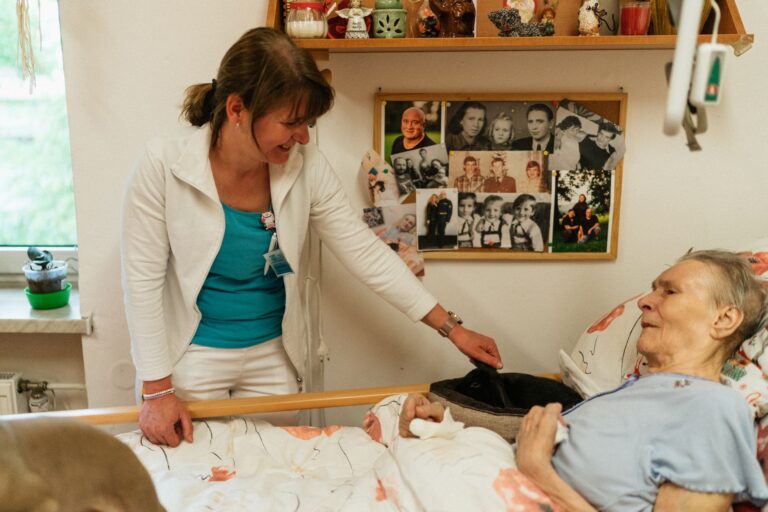
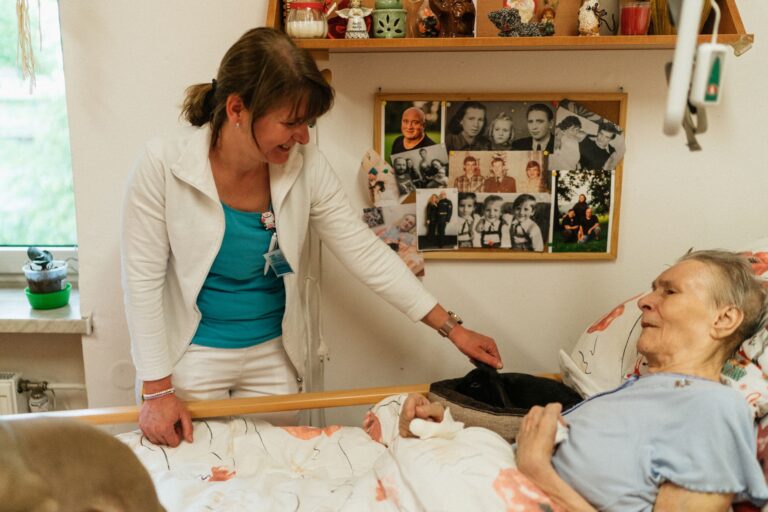
For some survivors, brain injury triggers depression or anxiety, which compounds fatigue and slows recovery. The home can support emotional safety through familiar objects, photos, and spaces that feel calming rather than institutional. A recovery-focused home isn’t sterile; it’s personalized to the person living there. The layout of the bedroom, the colors used, whether family photos are displayed—these details affect how safe and comfortable a survivor feels, which in turn affects how much effort they’ll invest in rehabilitation and daily tasks. Access to nature, pets if appropriate, and regular visitors all contribute to a sense of normalcy that supports both mental health and physical recovery.
- —