
Cow colostrum sits at the center of this dementia and brain health question.
Cow colostrum—the nutrient-rich milk produced in the first days after a calf is born—contains specific bioactive compounds that have shown protective effects against neuronal damage in laboratory and animal studies. Three compounds in particular have emerged as candidates worth investigating: lactoferrin, an iron-binding protein with anti-inflammatory and neuroprotective properties; insulin-like growth factor-1 (IGF-1), which supports brain tissue growth and maintenance; and immunoglobulins like IgG, which modulate immune response and tissue integrity. A comprehensive review published in January 2025 in *Animal Advances* by researchers at the Jiangsu Academy of Agricultural Sciences concluded that bovine colostrum offers potential for immunity, disease resistance, and healthy aging, though specific applications to neurodegenerative disease require further investigation.
However, it’s important to be clear about where the research currently stands: all documented protective effects to date come from animal models and laboratory studies. No large-scale human clinical trials specifically measuring colostrum’s effect on neurodegenerative disease progression have been completed. The promising findings in rodents and in vitro studies have not yet translated into proven treatments for patients with Parkinson’s disease, Alzheimer’s disease, or other neurodegenerative conditions. This article explores what we know about colostrum’s neuroprotective compounds, what the animal research suggests, what gaps remain, and what the realistic timeline might be for moving this research into clinical practice.
Table of Contents
- What Bioactive Compounds in Cow Colostrum May Protect the Aging Brain?
- How Do These Compounds Work Against Neurodegeneration?
- What Do Animal Studies Reveal About Colostrum’s Brain-Protective Effects?
- From Animal Findings to Human Application: Where Is Clinical Research?
- What Critical Gaps Exist in Our Understanding of Colostrum and Brain Disease?
- Colostrum Supplements Available Today: What Consumers Should Know
- The Future of Colostrum Research in Neurodegeneration
- Conclusion
What Bioactive Compounds in Cow Colostrum May Protect the Aging Brain?
The three primary compounds in bovine colostrum that researchers believe may offer neuroprotection are structurally and functionally distinct. Lactoferrin is an iron-binding glycoprotein that exhibits multiple biological activities: anti-inflammatory, antibacterial, antiviral, and anti-apoptotic properties—meaning it may block the cellular death pathways that kill neurons in neurodegenerative disease. IGF-1 is the dominant growth factor in bovine colostrum and works primarily by modulating muscle and tissue growth and maintenance, though it also signals to neural tissues. Immunoglobulins, particularly IgG, promote immune function and tissue maturation, which may help the central nervous system maintain its protective barriers and inflammatory balance.
Each of these compounds exists in much higher concentrations in colostrum than in mature milk, which is why colostrum has attracted scientific interest. The concentration of these bioactive molecules in bovine colostrum can vary depending on collection timing, the dairy farm’s management practices, and the processing method used in commercial supplements. Early-collection colostrum (from the first 24 hours post-partum) contains higher concentrations of immunoglobulins and lactoferrin than colostrum collected later. This matters for supplement quality: a product labeled as “colostrum” that was collected on day three or four after birth will have fewer bioactive compounds than one collected within the first day. Understanding this variability is essential when evaluating the clinical significance of results from animal studies, since laboratory research typically uses highly standardized, concentrated colostrum extracts rather than the variable products available to consumers.
How Do These Compounds Work Against Neurodegeneration?
Lactoferrin’s neuroprotective mechanism appears to operate through several interconnected pathways. It possesses iron-chelating ability, which reduces oxidative stress—the accumulation of harmful free radicals that damages neuronal membranes and DNA. It also modulates neuroinflammation by suppressing pro-inflammatory cytokines that activate microglia and promote neuronal death. Perhaps most intriguingly, lactoferrin may interfere with the aggregation of alpha-synuclein, the misfolded protein that accumulates in Parkinson’s disease, and could help prevent the propagation of these toxic protein clusters throughout the brain.
Laboratory studies have shown that lactoferrin can suppress neuronal cell death in cultured neurons exposed to N-methyl-D-aspartic acid (NMDA), a chemical that triggers excitotoxicity—a mechanism believed to contribute to Alzheimer’s, Parkinson’s, and traumatic brain injury. However, there’s an important distinction to draw: suppressing neuronal death in a petri dish is fundamentally different from preventing cognitive decline in a living patient. A neuroprotective compound may work beautifully under laboratory conditions where it’s applied directly to brain cells in controlled concentrations, yet struggle to cross the blood-brain barrier or achieve sufficient concentrations in the human brain when taken orally. Additionally, if a neuroprotective compound only works at very high doses, the therapeutic window may be too narrow for safe human use. The compounds in colostrum must not only be neuroprotective in theory but also bioavailable to the nervous system when delivered orally—a requirement that hasn’t been fully characterized in humans.
What Do Animal Studies Reveal About Colostrum’s Brain-Protective Effects?
The most compelling animal research comes from stroke and cognitive decline models. In studies of focal brain ischemia and reperfusion injury (a condition resembling acute stroke), rats treated with bovine colostrum showed significant reduction in brain infarct volume compared to saline controls—meaning less brain tissue was damaged when blood flow was restored after an experimental stroke. This finding is meaningful because ischemic stroke is a leading cause of neuronal death and disability, and any intervention that reduces ischemic damage could potentially extend the window of opportunity for emergency treatment. In another set of experiments using aged mice, lactoferrin administration improved spatial cognition, and histological analysis revealed increased pyramidal cells (a type of neuron important for memory) in the hippocampi of treated animals compared to controls. These results are encouraging but come with significant caveats.
First, aged mice are not elderly humans with neurodegenerative disease. The aging mouse brain lacks the decades of accumulated cellular damage, the complex comorbidities (diabetes, hypertension, prior strokes), and the specific pathology of diseases like Alzheimer’s or Parkinson’s. Second, most of these studies use purified or concentrated colostrum extracts administered directly into the brain via injection, rather than oral supplements that must survive stomach acid, be absorbed across the intestinal barrier, and penetrate the blood-brain barrier. A compound that works when injected directly into the hippocampus may have negligible effects when swallowed as a capsule. Third, the studies typically measure surrogate markers like infarct volume or cell counts rather than functional outcomes like preserved cognition over time—the outcomes that ultimately matter to patients.

From Animal Findings to Human Application: Where Is Clinical Research?
The translation from animal models to human clinical research in colostrum is only beginning. A randomized, placebo-controlled study published in 2024 examined bovine colostrum supplementation in patients with depression and substance use disorder, representing an early-stage human investigation. This study is significant because it demonstrates that researchers are moving colostrum into human trials, but depression and substance use disorder are different conditions than the primary neurodegenerative diseases (Alzheimer’s, Parkinson’s, ALS) that most affect aging patients. Moreover, the study’s results and sample size—whether it showed meaningful benefit or not—remain relevant context that’s not provided in the sourced information, leaving uncertainty about whether this early trial found encouraging signals or merely established that the supplement is tolerable.
The challenge facing researchers is substantial. A clinical trial to demonstrate colostrum’s effect on, say, cognitive decline in Alzheimer’s disease would need to enroll hundreds of patients, administer colostrum or placebo for two to three years, and measure cognitive change using validated scales. Such trials cost millions of dollars and require sustained funding—typically from pharmaceutical companies or large government research initiatives. Currently, neither exists for colostrum, partly because colostrum is a food product rather than a patentable drug, and partly because the animal evidence, while interesting, hasn’t yet convinced major funding bodies that a large human trial is justified. This represents a research bottleneck: animal evidence suggests promise, but clinical evidence remains absent because no one has invested the resources to test it in humans at scale.
What Critical Gaps Exist in Our Understanding of Colostrum and Brain Disease?
The most glaring gap is the absence of long-term, large-scale human clinical outcomes. We do not know whether taking colostrum supplements for six months, two years, or a decade actually slows cognitive decline in people with Alzheimer’s or reduces the risk of Parkinson’s in healthy older adults. We do not know the optimal dose—whether someone should take 500 milligrams per day, 2 grams, or something else entirely. We do not know which populations might benefit most: would colostrum help early-stage Alzheimer’s patients but not advanced cases? Would it prevent disease in at-risk individuals but fail to reverse established neurodegeneration? These questions remain unanswered because they require the human clinical trials that haven’t yet been conducted.
Additionally, the stability of these bioactive compounds through the commercial supply chain is poorly characterized. Lactoferrin is a protein that can denature with heat, extreme pH, or certain processing methods. Most colostrum supplements are freeze-dried or spray-dried to create a powder, but the extent to which this processing preserves the functional activity of lactoferrin and other compounds is not well-documented for consumer products. A supplement purchased online might contain substantially different levels of active compounds depending on the manufacturer’s methods, the time since production, and storage conditions. Furthermore, the blood-brain barrier represents a formidable obstacle: it prevents most large molecules and many small ones from entering the central nervous system, and lactoferrin’s ability to cross this barrier in meaningful quantities after oral administration hasn’t been established in humans.

Colostrum Supplements Available Today: What Consumers Should Know
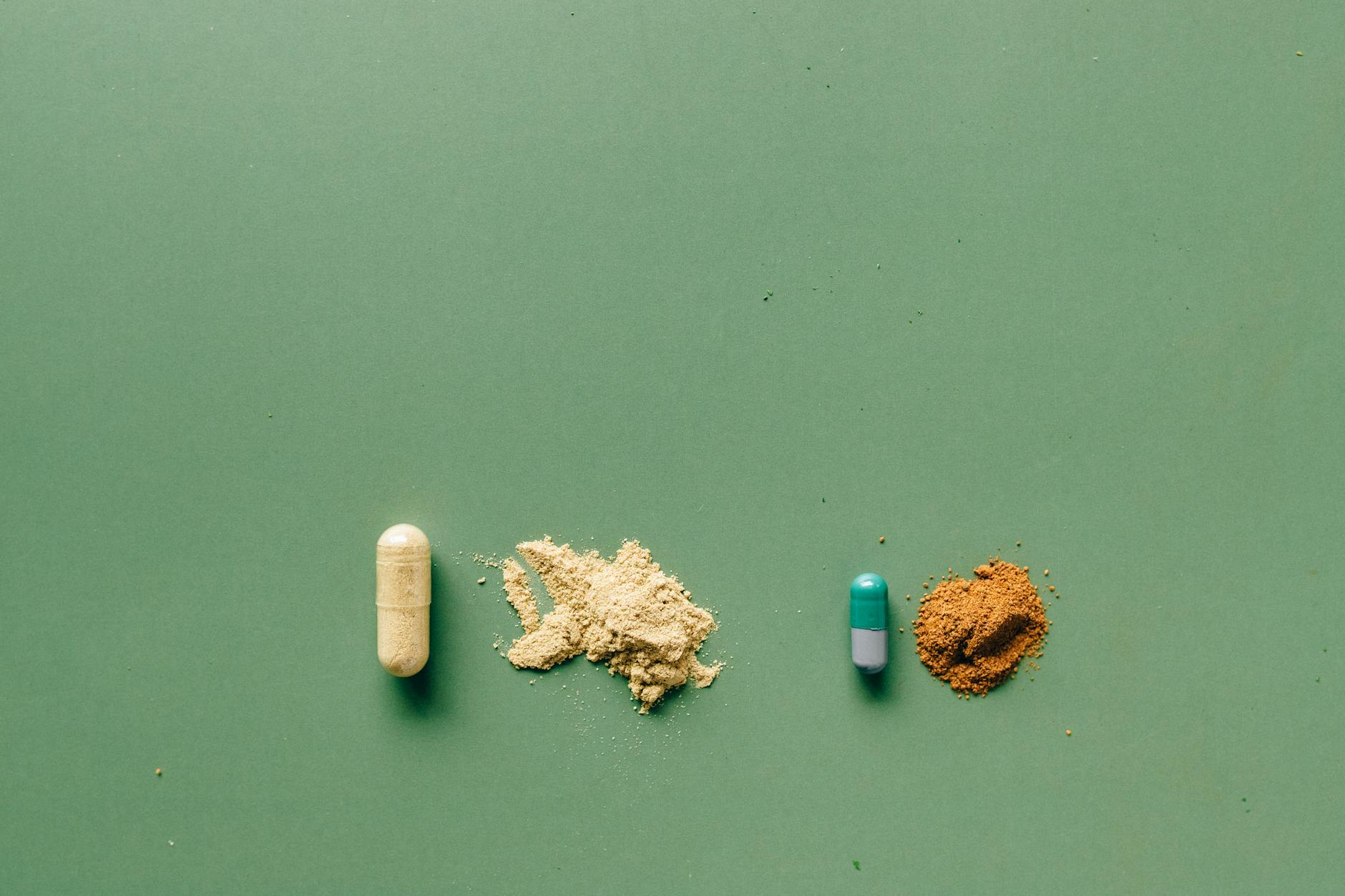
The commercial colostrum market consists primarily of freeze-dried bovine colostrum powders, capsules, and liquid extracts marketed for immune support and athletic recovery. Most products contain between 500 and 3,000 milligrams of colostrum per serving, though the bioactive compound content (lactoferrin, IgG, and IGF-1 levels) varies substantially between brands and is rarely clearly labeled. Some manufacturers test and report lactoferrin content, but many do not. This means consumers cannot reliably compare whether a given product contains meaningful quantities of the compounds discussed in the research literature.
Additionally, colostrum intended for supplements comes from dairy farms optimized for milk production, and their colostrum is often treated with heat (pasteurization) that may reduce the stability of heat-sensitive compounds like some immunoglobulins. Current evidence does not support any colostrum supplement as an established treatment for neurodegenerative disease. Marketing claims suggesting that colostrum can prevent Alzheimer’s or Parkinson’s go far beyond what the science currently supports and should be viewed skeptically. If someone is considering colostrum supplementation specifically for brain health, they should: (1) discuss it with their neurologist or primary care physician first, as it might interact with certain medications; (2) understand that they are taking a supplement without proven clinical benefit for their specific condition; (3) not rely on it as a substitute for established preventive measures (exercise, cognitive engagement, sleep, Mediterranean diet, cardiovascular health); and (4) choose a reputable manufacturer that tests for and reports the content of bioactive compounds.
The Future of Colostrum Research in Neurodegeneration
The research landscape for colostrum and brain disease is likely to evolve in the next five to ten years. Several academic centers are exploring lactoferrin’s anti-inflammatory and anti-aggregation properties in models of Parkinson’s and Alzheimer’s disease. If these findings are promising, there may be investment in clinical trials testing either whole colostrum or isolated lactoferrin in human patients. An alternative path is that pharmaceutical companies might develop synthetic versions of lactoferrin or chemical analogs that improve bioavailability and blood-brain barrier penetration, sidestepping some of the challenges of the raw colostrum supplement.
Such a development would move this research from the realm of nutritional supplements into prescription drugs, which would require rigorous clinical trials before approval and would represent a significant investment. The timeline for moving from promising animal research to an approved human treatment is typically measured in decades, not years. The compounds in colostrum have been under investigation since at least the early 2000s, and despite nearly 25 years of research, we still lack human clinical evidence of efficacy for neurodegenerative disease. This does not mean the research will ultimately fail—many now-standard treatments began with animal studies that took decades to translate into clinical use. However, it’s a realistic reminder that hope and promise are not the same as proof, and that anyone seeking brain health now should rely on interventions with established evidence (cardiovascular fitness, cognitive engagement, quality sleep) rather than experimental supplements still in the research phase.
Conclusion
Cow colostrum contains three well-characterized bioactive compounds—lactoferrin, IGF-1, and immunoglobulins—that have demonstrated neuroprotective effects in animal models and laboratory studies. Lactoferrin in particular shows promise for reducing neuronal death, suppressing neuroinflammation, and potentially interfering with toxic protein aggregation patterns seen in Parkinson’s disease. These findings have motivated a growing body of research and some early-stage human investigations, and they represent a legitimate scientific avenue worth pursuing. However, consumers and patients should recognize a critical distinction between interesting preclinical research and proven clinical treatment.
All documented neuroprotective effects of colostrum to date come from animal models or in vitro studies. No large-scale, long-term human clinical trials have demonstrated that colostrum supplementation slows cognitive decline, reduces neurodegeneration risk, or improves outcomes in any neurodegenerative disease. If you are concerned about brain health, the evidence-based interventions that matter most are cardiovascular exercise, cognitive engagement, quality sleep, management of cardiovascular risk factors, and a healthy diet—not experimental supplements. Colostrum may eventually prove valuable in neurodegenerative disease prevention or treatment, but that evidence does not yet exist. Current colostrum supplements remain products in search of clinical proof, not established therapies.
You Might Also Like
- Scientists Stunned by Molecule That May Slow Alzheimer’s Disease
- Spear Bio Introduces Ultra-Sensitive Neurodegenerative Assays at AD/PD 2026
- New Spinal Fluid Biomarker Distinguishes Parkinson’s From Alzheimer’s
For more, see Alzheimer’s Association — caregiving.





