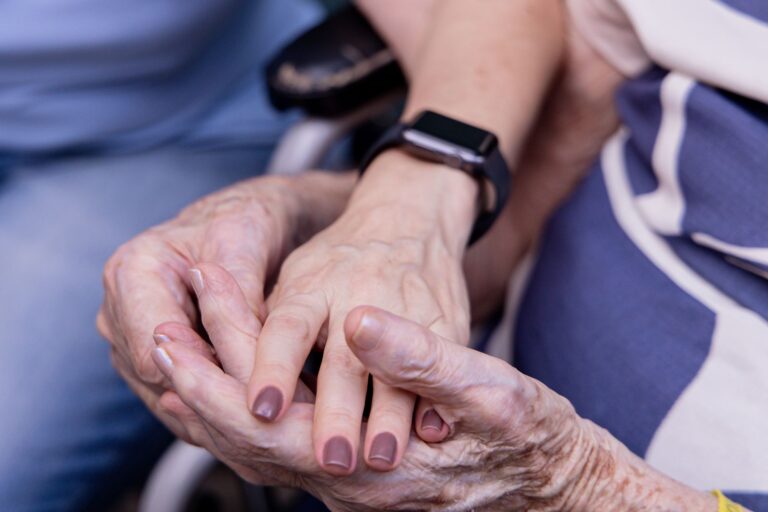
The most common mistake is treating layering like a styling choice instead of a cognitive task. Caregivers add extra layers for warmth or modesty without accounting for the sequencing, temperature-sensing, and fastening problems dementia causes, which turns a simple outfit into a daily struggle.
Dressing difficulty is one of the earliest and most predictable changes in Alzheimer's disease. A clinical review describes this as dressing apraxia — the loss of the ability to sequence the steps of putting on clothing, including layered items — and notes it often appears early in the illness course (Indian Journal of Psychiatry). Understanding where layering goes wrong lets a caregiver fix the routine instead of the person.
Medical information disclaimer: This article is for general educational purposes only and does not provide medical advice, diagnosis, or treatment. Always consult a physician or other qualified health professional about symptoms, medications, tests, or treatment decisions.
Table of Contents
- Handing Over Too Many Garments at Once
- Assuming the Person Can Tell When Layers Look Wrong
- Choosing Garments That Fight the Layering Itself
- Overdressing for Heat the Person Can No Longer Judge
- Frequently Asked Questions
Handing Over Too Many Garments at Once
A frequent error is laying out a full layered outfit — undershirt, shirt, sweater, jacket — and expecting the person to work through it unprompted. The Alzheimer's Association's caregiver tip sheet instead recommends laying out clothing in the exact order it goes on and handing over one garment at a time, because many people with dementia can no longer sequence a multi-step dressing task on their own (Alzheimer's Association).
A related mistake is offering too many outfit choices before layering even starts. The same guide advises limiting the decision to two outfit options and keeping closets free of excess clothing, since too many options or layers can overwhelm someone with dementia during dressing (Alzheimer's Association). Fewer decisions at the closet mean fewer points where the task can stall.
Assuming the Person Can Tell When Layers Look Wrong
Caregivers often assume a person with dementia will notice if a sweater is on backward, a shirt is inside out, or a layer is missing underneath. Island Health's dementia caregiving guide states that some people with dementia cannot perceive these problems at all, and recommends choosing simpler garments rather than relying on the person to self-correct (Island Health). The same guide recommends dressing the weaker arm or leg first when a person has limited mobility on one side, which matters more as layers multiply — each additional sleeve or waistband is another point where a weak limb can get stuck (Island Health).
Choosing Garments That Fight the Layering Itself
Pullover sweaters, buttons, and zippers are harder to manage in layers than they look. NYC's Department for the Aging caregiver guide recommends front-closing cardigans and shirts instead of pullovers, and Velcro or elastic closures instead of buttons and zippers, specifically because these are easier for a person with dementia to manage while layering (NYC Department for the Aging). These changes reduce the number of fine-motor steps hidden inside each added layer, which is where dressing attempts most often break down.
- Swap pullover sweaters for front-opening cardigans.
- Replace small buttons and zippers with Velcro or elastic.
- Keep the same garment order every day so the sequence becomes familiar rather than being relearned.
Overdressing for Heat the Person Can No Longer Judge
A layering mistake that goes beyond frustration into a safety risk is letting a person with dementia keep adding layers out of habit, regardless of actual temperature. Care UK's caregiver advice notes that a person with dementia may misjudge outdoor temperature and reach for heavy layers even in a heatwave, which traps body heat and can quickly cause overheating and dehydration (Care UK). The danger compounds because the person may not recognize they're overheating in the first place.
PSS, a caregiver resource organization, explains that cognitive changes from dementia can stop someone from noticing they're too warm, so they don't remove a layer or drink water on their own — and that common dementia medications, including antipsychotics and some antidepressants, further impair the body's ability to regulate temperature (PSS). Because of this, the responsibility for adjusting layers in hot weather falls on the caregiver, not the person wearing them. Family Caregiver Alliance's hot-weather guidance advises dressing a person with dementia in light-colored, loose, breathable clothing and avoiding layers when possible in warm weather, since the caregiver must monitor and adjust what they're wearing rather than expect them to self-regulate (Family Caregiver Alliance).
- Check the forecast before dressing, not just the closet.
- Default to breathable, light-colored single layers in warm weather.
- Watch for flushed skin, confusion, or reduced sweating as overheating signs, since the person may not report feeling hot.
- Remove an extra layer yourself rather than asking if they want it off.
Frequently Asked Questions
Why does a person with dementia keep putting on more clothes than the weather calls for?
They often can no longer judge outdoor temperature accurately and default to habit, reaching for heavy layers even in warm conditions, according to Care UK (Care UK).
What's a simple way to reduce dressing struggles involving multiple layers?
Lay out garments in the order they go on and hand over one piece at a time, as recommended by the Alzheimer's Association, rather than presenting a full layered outfit at once (Alzheimer's Association).