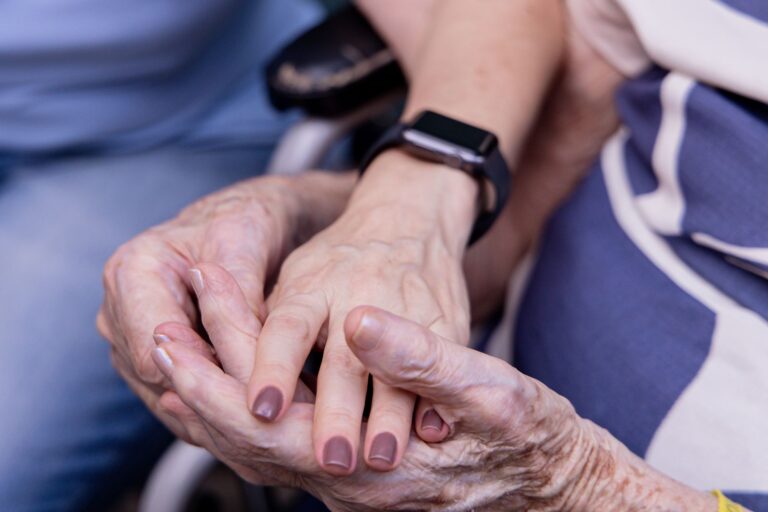
Paranoia in dementia usually means delusions, fixed false beliefs such as thinking family steals possessions, a spouse is unfaithful, or police are following them. Caregivers help most by staying calm, avoiding arguments, offering reassurance, and checking for memory gaps, unmet needs, and medical triggers.
These beliefs occur most often in middle-to-late-stage Alzheimer's, according to the Alzheimer's Association in Alzheimer's Association guidance on suspicions and delusions. Fear is real even when the belief is not. A calm, steady response protects trust.
Medical information disclaimer: This article is for general educational purposes only and does not provide medical advice, diagnosis, or treatment. Always consult a physician or other qualified health professional about symptoms, medications, tests, or treatment decisions.
Table of Contents
- Why does forgetfulness turn into suspicion?
- What makes paranoia worse?
- How should you respond in the moment?
- Could an unmet need explain the belief?
- When should you call the doctor?
Why does forgetfulness turn into suspicion?
Much paranoia starts with memory loss. The National Institute on Aging explains in NIA advice on hallucinations, delusions, and paranoia that forgetting where an item was placed can feel like theft.
Failing to recognize a person, object, or caregiver can feel like intrusion by a stranger. The person is connecting dots with missing pieces. A moved purse becomes "someone took it." A new home aide becomes "an intruder." Understanding this link makes the accusation less personal.
What makes paranoia worse?
Several triggers can raise confusion and fear. New illness or infection, medication side effects, and vision or hearing loss are common medical triggers.
Unfamiliar places, loud noise, routine changes, and violent or upsetting TV programs can also worsen symptoms. Watch for a pattern around these moments:.
- New medicine, dose change, cold, urinary infection, fall, or pain
- Missed sleep, hunger, thirst, or needing the toilet
- Noisy rooms, visitors, travel, moved furniture, or schedule changes
- Distressing news, crime shows, or arguments nearby
How should you respond in the moment?
Do not argue or try to prove the belief false. Arguing raises distress and rarely changes the belief.
Stay calm, acknowledge the fear, and offer comfort in short, plain words. Use the same steady steps each time:.
- Say what you see: "You seem worried. I am here."
- Reassure and stay close: "You are safe. I will help look."
- Redirect gently: offer a snack, walk, music, or simple task together
- Keep routines, faces, and item places familiar and predictable
Could an unmet need explain the belief?
Check basic needs before answering the accusation. Hunger, thirst, pain, needing the toilet, fatigue, or missing glasses, hearing aids, keys, or money can drive suspicion. The Alzheimer's Society UK advises this check in Alzheimer's Society UK advice on delusions.
Search with the person, not for them. Keep a set place for wallet, glasses, and valuables. Keep spares for items that are often lost. Small labels, a night light, and lower background noise reduce mistaken ideas.
When should you call the doctor?
Report new, sudden, worsening, frightening, or safety-threatening paranoia, hallucinations, or confusion promptly. A doctor can check for infection, dehydration, pain, vision or hearing change, and drug side effects. Bring a list of medicines, recent illnesses, falls, and sleep changes.
Ask about non-drug steps first. A Cochrane Global Ageing summary of 24 trials with 6,090 people, reported in Cochrane Global Ageing summary on antipsychotics, found only small effects on delusions and agitation, with more drowsiness, tremor, falls, stroke, and death. Finding and treating the cause comes before sedating the symptom.
You Might Also Like
- The Third FDA-Cleared Alzheimer’s Blood Biomarker Test in 2026: What Younger-Onset Alzheimer’s Families Should Know About the News
- Tauklarify Imaging for Alzheimer’s Tau Tangles in 2026: What Younger-Onset Alzheimer’s Families Should Know About the News
- PrecivityAD2 as an Adjunct to a 2026 Alzheimer’s Assessment: What Younger-Onset Alzheimer’s Families Should Know About the News