Common barriers to music practice for dementia prevention in a 2026 brain health plan are untreated hearing loss, low motivation, weak organizational support, and poor long-term adherence. A brain health plan means a personal routine of regular mental, social, and physical activity aimed at lowering later decline risk. The World Health Organization says up to 45% of dementia risk could be prevented or delayed through lifelong control of modifiable factors, framing regular cognitive and social activity as core prevention in its July 2026 guidance update. Music practice fits that frame because it combines listening, learning, memory, movement, and contact with others.
Medical information disclaimer: This article is for general educational purposes only and does not provide medical advice, diagnosis, or treatment. Always consult a physician or other qualified health professional about symptoms, medications, tests, or treatment decisions.
Table of Contents
- How hearing loss blocks music practice
- Why motivation and support fall short
- What music can and cannot do
- How to make practice easier to keep
How hearing loss blocks music practice
Untreated hearing loss makes pitch, rhythm, lyrics, and group timing harder to follow. Frustration then builds, and many adults play less often or quit lessons and choirs. WHO now links hearing care to risk reduction because hearing-dependent activities suffer when loss goes untreated.
Uptake of hearing care faces its own barriers. Older adults report stigma, mistrust, missing referrals, trouble handling devices, and doubt about value for money. A hearing check, fitted aid, and simple maintenance help can restore enough clarity to enjoy practice again.
Why motivation and support fall short
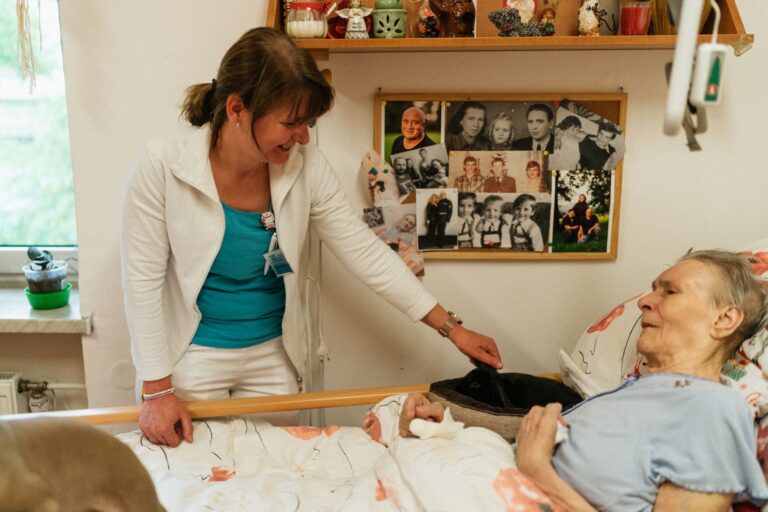
Even willing beginners struggle to keep a schedule. Care-home programs face added friction from staff turnover, shifting duties, and low energy among both staff and residents, as shown in the multinational MIDDEL trial evaluation. Home practice fades for similar reasons when no person or group expects the player to show up.
This pattern is common in prevention. Even effective multidomain lifestyle programs suffer poor long-term adherence, so lasting change needs motivational support, social ties, and coaching rather than advice alone, according to the Alzheimer's and Dementia motivational-strategies review. A plan that depends on willpower alone is likely to stall within months.
What music can and cannot do
Music can lift mood, support verbal fluency, and ease anxiety, depression, and apathy in dementia. Those benefits matter for daily life and for staying engaged with other healthy habits. They do not mean music prevents or cures dementia.
General effects on thinking are small and mixed across studies. A realistic goal is steadier mood, stronger routine, and more social contact, not guaranteed protection. People with normal cognition or mild impairment gain most when music sits beside hearing care, exercise, sleep, vascular care, and social activity.
How to make practice easier to keep
Build support around the playing, not only skill. Pick one fixed weekly slot, one partner or group, and one visible reminder such as an instrument kept out of its case.
Track attendance rather than talent. If missed weeks rise, change the time, place, group, or song list before adding more practice. Keep aids charged, music printed large, and seating close to the leader.
- Book a hearing check and bring aids or glasses to every session
- Join a small choir, class, or duo so absence gets noticed
- Set a ten-minute minimum to lower the start barrier
- Ask a coach, friend, or staff member for monthly follow-up
- Rotate songs to protect interest without adding difficulty