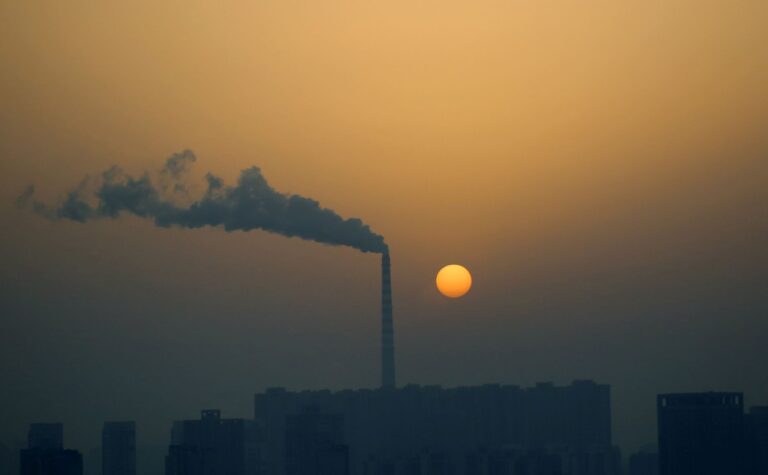
On 15 July 2026 the World Health Organization released a new dementia-risk guideline that names cleaner air as brain protection. Adults over 65 can build a realistic plan by cutting PM2.5 exposure and adding exercise, vascular care, mental activity, social contact, and hearing care. PM2.5 means fine airborne particles that travel deep into lungs and blood.
WHO published the update as the second edition of Risk reduction of cognitive decline and dementia, replacing the 2019 version, according to the WHO guideline publication. The new advice adds ambient and household air pollution to dementia prevention, according to the WHO announcement. Up to 45% of dementia risk reflects modifiable factors across life, so air, vascular, sensory, and lifestyle actions support population prevention rather than cure.
Medical information disclaimer: This article is for general educational purposes only and does not provide medical advice, diagnosis, or treatment. Always consult a physician or other qualified health professional about symptoms, medications, tests, or treatment decisions.
Official resources:
- Read the original research from NIH — Use this page to review the original research.
- Read the official guidance from NIH — Use this primary source to verify the official guidance.
Table of Contents
- What changed in 2026?
- Why does dirty air matter after 65?
- How can you lower exposure on bad-air days?
- What makes the plan realistic after 65?
- What are the limits of the evidence?
What changed in 2026?
Air pollution now sits alongside physical activity, blood-pressure control, and social connection as a prevention target. The guideline recommends less exposure to outdoor pollution, especially PM2.5, and to polluted air inside homes. That dual focus covers traffic and wildfire haze outdoors plus cooking smoke, wood heat, and poor ventilation indoors.
The shift matters because exposure builds over years, not only during severe smoke events. Older adults face repeated low-level exposure at home and outdoors. Cutting that background exposure becomes a daily brain-health habit.
Why does dirty air matter after 65?
A prospective UK Biobank cohort followed 217,336 older adults. Published 25 Feb 2025, it linked long-term PM2.5 parts including black carbon, ammonium, organic matter, and sulfate to all-cause, Alzheimer's, and vascular dementia. The pattern points to particles and their chemical mix, not only total particle weight.
A Danish nationwide cohort followed adults 60 and older from 2000 to 2018, as reported in Environment International. It linked long-term PM2.5, NO2, and black carbon to incident dementia. Risk remained even at low pollution levels, so cleaner air still helps in relatively clean areas.
How can you lower exposure on bad-air days?
Older adults react faster to smoke and haze, so check conditions before going out. The U.S.
EPA advises checking AirNow, staying indoors with windows closed, and limiting outdoor exertion, according to the EPA smoke guidance. Use cleaner indoor air and a well-fitted mask when smoke enters your area.
- Check AirNow each morning and move walks, errands, or yard work to cleaner hours.
- Stay indoors with windows closed and use recirculated air or HEPA or MERV-13 filtration.
- Limit outdoor exertion, especially exercise near traffic or in visible smoke.
- Wear a NIOSH-approved N95 if you must go out in wildfire smoke.
What makes the plan realistic after 65?
Clean air works best with movement, vascular control, mental challenge, social contact, and hearing care. The Alzheimer's Association pairs cleaner air with at least 150 minutes weekly of moderate aerobic activity plus strength work, blood-pressure and diabetes control, cognitive stimulation, social activity, and hearing aids if needed, according to the Alzheimer's healthy-habits guide. That combination fits different abilities and weather.
Use air quality as your daily switch. Walk, cycle, or garden when air reads clean. Move strength, balance, puzzles, calls, classes, and hearing checks indoors when air reads poor.
What are the limits of the evidence?
Much of the evidence is observational with low certainty, as reported by Medical News Today on the WHO guideline. WHO therefore phrases air-pollution advice as may reduce risk.
The 45% figure is a population model, not a personal prevention promise. Treat clean-air days as training days and smoky days as indoor strength, balance, and social days. Keep a portable HEPA filter in the bedroom and N95s near the door during fire season.
You Might Also Like
- Air Pollution in the 2026 WHO Dementia Guideline: What Adults Over 65 Can Track Without Self-Diagnosing
- High Cholesterol in the 2026 WHO Dementia Guideline: What Adults Over 65 Can Track Without Self-Diagnosing
- Hearing Aids in the 2026 WHO Dementia Guideline: What Adults Over 65 Can Track Without Self-Diagnosing