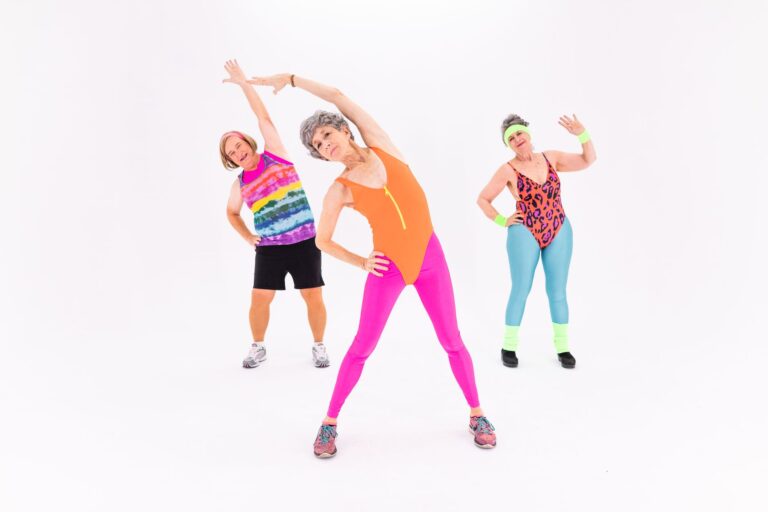
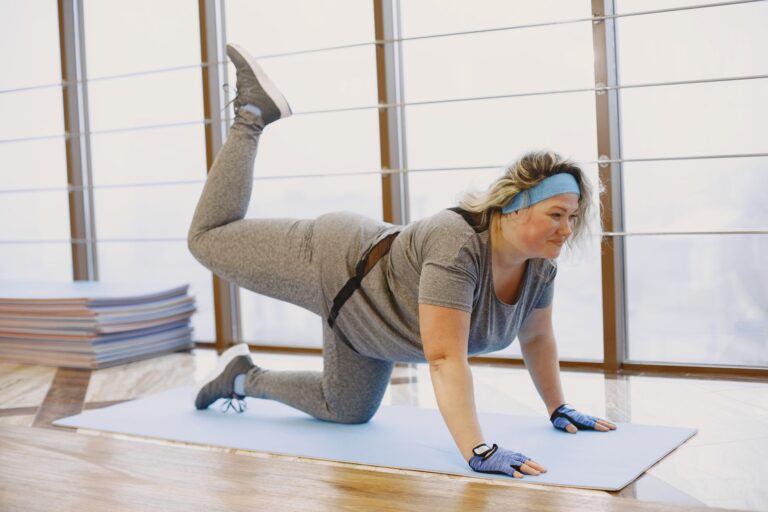
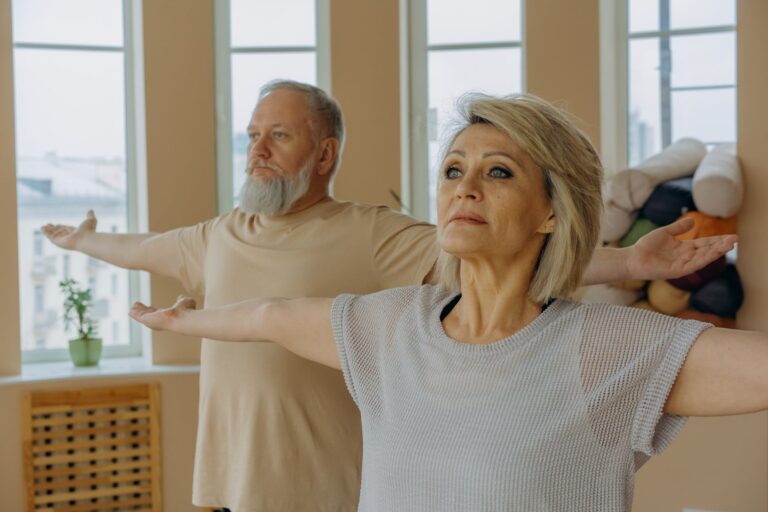
Building aerobic exercise into a realistic dementia prevention routine in a 2026 brain health plan means committing to at least 150 minutes of moderate-intensity activity each week, split into sessions you can keep. Aerobic exercise is sustained movement that raises heart rate and breathing, such as brisk walking, cycling, dancing, or swimming. Dementia is a loss of memory and thinking skills severe enough to interfere with daily life. Regular aerobic activity is linked to lower risk, better memory in people with early changes, and healthier blood pressure, sleep, and weight.
Medical information disclaimer: This article is for general educational purposes only and does not provide medical advice, diagnosis, or treatment. Always consult a physician or other qualified health professional about symptoms, medications, tests, or treatment decisions.
Table of Contents
- How much aerobic activity is enough?
- How can you split the week without burning out?
- Do steps and pace matter?
- Why does movement help the brain?
- What are the limits of the evidence?
How much aerobic activity is enough?
The CDC advises that adults 65 and older get at least 150 minutes of moderate-intensity aerobic activity or 75 minutes of vigorous activity weekly, plus strength and balance work, according to the CDC guidelines for older adults. Brisk walking counts as moderate. Fast cycling or jogging counts as vigorous.
For people with mild cognitive impairment, which means memory problems greater than normal aging but not dementia, twice-weekly exercise may improve memory. Guideline lead Dr. Petersen advises 150 aerobic minutes weekly as 30 minutes five times or 50 minutes three times to potentially slow progression, as reported by the American Academy of Neurology in the new exercise guideline announcement.
How can you split the week without burning out?
Brain-health benefits can begin after moderate-to-vigorous sessions, and weekly totals can be split into 30 minutes five days, 22 minutes daily, or shorter bouts that sum, according to the CDC overview on activity and brain health. The total matters more than any single workout. Short walks still count when they add up.
Pick a base pattern and protect it. A practical starter is a brisk 30-minute walk on five weekdays. An alternative is three 50-minute walks, bike rides, or swims with rest days between.
- Set fixed days and times for three to five sessions
- Start at 10 to 15 minutes if inactive, then add five minutes weekly
- Keep one easy backup, such as a 10-minute walk after dinner
- Track minutes or steps until the habit holds
Do steps and pace matter?
Step counts offer a simple daily target. In 78,430 UK adults followed for seven years, about 3,800 daily steps was linked to 25% lower dementia incidence and about 9,800 steps to about 50% lower, with faster cadence near 112 steps per minute adding benefit, according to JAMA Neurology researchers in the step-count and dementia study. Benefits leveled off beyond that pace.
Use pace as a quality check. Walk fast enough that talking takes effort but singing feels hard. Add hills, short faster intervals, or a dance class twice weekly. Pair walking with strength work using bands, body weight, or light weights.
Why does movement help the brain?
Exercise may lower Alzheimer's risk indirectly by helping control blood pressure and diabetes, improving sleep, and maintaining healthy weight. Walking, dancing, cycling, or swimming all fit because they sustain aerobic effort without needing a gym. Choose the form your joints, balance, and schedule tolerate best.
Long-term links are consistent. Across 58 studies with 257,983 people, physical activity was associated with lower all-cause dementia risk and Alzheimer's risk over follow-ups of more than 20 years. Midlife activity at ages 45 to 64 and late-life activity at 65 to 88 were both linked to markedly lower later risk.
What are the limits of the evidence?
Most links are observational and cannot prove exercise prevents dementia. Health, genes, education, and social activity also shape risk and are hard to separate fully. Treat exercise as risk reduction, not a guarantee.
One distinction matters for planning. A 2026 Lancet Public Health review of 4.2 million people found leisure activity linked to lower risk while occupational physical strain was linked to higher risk. A tiring manual job does not replace planned aerobic, strength, and balance sessions.