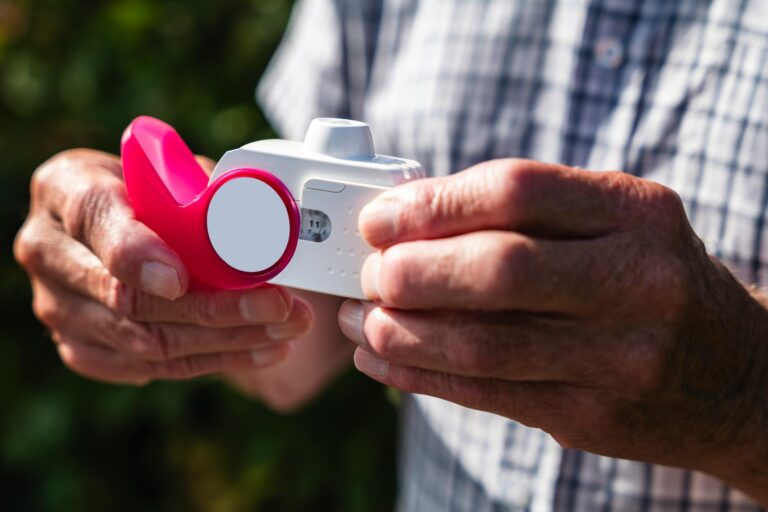
Clozapine is the only antipsychotic approved by the FDA for treatment-resistant schizophrenia, and it carries a unique requirement that no other psychiatric medication demands: mandatory blood monitoring, typically every month, for as long as a patient takes it. The reason is a rare but potentially fatal side effect called agranulocytosis, a dangerous drop in white blood cells that leaves the body unable to fight infections. Roughly 1 to 2 percent of patients on clozapine develop this condition, which is why every prescription is dispensed through a restricted program called the Clozapine REMS, where pharmacists cannot release the drug without a recent acceptable blood result on file.
For families navigating dementia care, clozapine occupies a complicated space. It is sometimes prescribed off-label for severe psychosis, agitation, or behavioral disturbances in dementia patients when other antipsychotics have failed or caused intolerable side effects like worsening parkinsonism. A patient with Lewy body dementia, for instance, may react catastrophically to typical antipsychotics like haloperidol, making clozapine one of the few remaining options despite its monitoring burden. This article covers why clozapine requires blood tests, how the monitoring program works, its specific relevance in dementia care, side effects caregivers should watch for, and what to do if blood counts start to drop.
Table of Contents
- Why Does Clozapine Require Monthly Blood Tests When Other Antipsychotics Do Not?
- How Agranulocytosis Develops and Why It Is Dangerous
- Clozapine in Dementia Care and Lewy Body Dementia
- Managing the Blood Monitoring Burden for Elderly Patients
- Side Effects Beyond Blood Counts That Caregivers Must Watch For
- What Happens When Blood Counts Drop
- The Future of Clozapine Monitoring and Access
- Conclusion
- Frequently Asked Questions
Why Does Clozapine Require Monthly Blood Tests When Other Antipsychotics Do Not?
Clozapine was first developed in the 1960s and introduced commercially in the 1970s, but it was pulled from markets in 1975 after 17 patients in Finland developed agranulocytosis and 8 of them died. The drug sat in limbo for over a decade until a landmark 1988 study demonstrated that it was significantly more effective than chlorpromazine for patients who had not responded to other antipsychotics. The FDA reapproved it in 1990 with an unprecedented condition: every patient must have their absolute neutrophil count (ANC) monitored through blood draws at regular intervals. For the first six months, blood tests are required weekly. From six months to a year, they shift to every two weeks. After twelve months of stable counts, testing moves to monthly, where it remains indefinitely.
No other antipsychotic carries this kind of mandated surveillance. Drugs like olanzapine and risperidone can cause metabolic problems and require periodic lab work, but that monitoring is recommended rather than legally enforced. With clozapine, a pharmacy literally cannot dispense the medication unless the Clozapine REMS database shows a current blood result within the acceptable range. If a patient misses a blood draw, the prescription is held. If a patient goes more than a certain number of days without monitoring, they must restart the titration process from the beginning, which can take weeks. This system saves lives, but it also creates a significant logistical burden that causes many patients and caregivers to abandon the drug prematurely.

How Agranulocytosis Develops and Why It Is Dangerous
Agranulocytosis means the bone marrow stops producing enough neutrophils, the white blood cells responsible for fighting bacterial and fungal infections. Under normal circumstances, a healthy adult has an ANC above 1,500 cells per microliter. Clozapine-induced agranulocytosis drives that number below 500, sometimes to zero. At that level, a simple cut or a mild respiratory bug can escalate into sepsis within hours. The mechanism is not fully understood, but it appears to involve an immune-mediated destruction of neutrophil precursors in the bone marrow, likely triggered by a reactive metabolite of clozapine. The risk is highest during the first 18 weeks of treatment, with the peak danger window falling between weeks 6 and 18.
after one year, the risk drops substantially but never disappears entirely, which is why monthly monitoring continues for life. However, if a patient has been on clozapine for several years with consistently normal counts, some clinicians argue that the monthly draws become more of a compliance ritual than a meaningful safety measure. A 2015 analysis in the American Journal of Psychiatry estimated that after the first year, the risk of severe neutropenia drops to roughly 0.01 percent per year. That is not zero, but it raises legitimate questions about whether the monitoring frequency should be adjusted for long-term patients, particularly elderly patients for whom repeated blood draws are physically and emotionally taxing. One critical warning: agranulocytosis can develop rapidly between scheduled blood tests. Caregivers and patients should not rely solely on monthly labs. If a patient on clozapine develops a sudden fever, sore throat, mouth ulcers, or flu-like symptoms, they need an emergency blood count that day, not at their next scheduled appointment.
Clozapine in Dementia Care and Lewy Body Dementia
Clozapine’s relevance to dementia care is narrow but important. The drug is not a first-line treatment for behavioral symptoms of dementia, and the FDA has never approved any antipsychotic for dementia-related psychosis. All antipsychotics carry a black box warning about increased mortality risk in elderly dementia patients, a warning that applies to clozapine as well. But clinical reality often outpaces regulatory categories. Patients with Lewy body dementia or Parkinson’s disease dementia face a specific problem: their brains are exquisitely sensitive to dopamine-blocking medications. Giving a Lewy body patient a conventional antipsychotic like haloperidol, or even a second-generation drug like risperidone, can trigger a neuroleptic sensitivity reaction involving severe rigidity, worsening confusion, falls, and sometimes death. Clozapine, along with its close relative quetiapine, has the weakest dopamine D2 receptor blockade of any antipsychotic, which makes it the least likely to provoke this catastrophic reaction.
In practice, quetiapine is tried first because it does not require blood monitoring. But when quetiapine fails to control severe hallucinations or agitation, clozapine becomes the fallback, even at low doses of 6.25 to 50 milligrams, far below the 300 to 900 milligram range used in schizophrenia. A real-world example: a 78-year-old man with Lewy body dementia experiences terrifying visual hallucinations of intruders in his home every night, leading to screaming, attempts to leave the house, and aggression toward his wife. Quetiapine at 100 milligrams provides no relief. His neurologist starts clozapine at 12.5 milligrams at bedtime, with weekly blood draws coordinated through a home health nurse. Within two weeks, the hallucinations diminish significantly. The family now manages monthly lab visits as the cost of maintaining his safety and their own.

Managing the Blood Monitoring Burden for Elderly Patients
The monitoring requirements for clozapine create genuine hardship for elderly and dementia patients. Weekly blood draws for six months mean weekly trips to a lab or weekly visits from a phlebotomist. For a patient with moderate dementia, each blood draw can be a source of confusion, fear, and resistance. For caregivers, it means coordinating schedules, managing transportation, and dealing with a patient who may not understand why someone keeps sticking a needle in their arm. There are several practical strategies that can reduce this burden. First, home-based phlebotomy services, offered through some home health agencies, eliminate the need for travel.
Second, some clinics coordinate clozapine blood draws with other routine labs to minimize the number of separate appointments. Third, the 2015 REMS modification loosened monitoring requirements slightly, and in 2021 the Clozapine REMS program was further updated to allow treatment decisions to be made between prescriber and patient rather than requiring automatic treatment interruption for moderate drops in ANC. This change was especially important for patients with benign ethnic neutropenia, a normal variant seen in people of African and Middle Eastern descent who naturally run lower neutrophil counts and were previously forced off clozapine unnecessarily. The tradeoff is always the same: monitoring is burdensome, but the alternative is often worse. For a patient whose severe psychosis or agitation has not responded to anything else, the monthly blood draw is the price of the only medication that works. Caregivers should discuss with the prescribing physician whether blood draws can be done at home, and whether any flexibility exists in scheduling based on the patient’s history and stability.
Side Effects Beyond Blood Counts That Caregivers Must Watch For
Agranulocytosis gets all the attention, but clozapine carries a long list of other side effects that are especially concerning in elderly patients. The most common is sedation, which can be profound, particularly at the start of treatment. For a dementia patient already prone to drowsiness and falls, adding a heavily sedating medication increases the risk of hip fractures and head injuries. Doses in elderly patients should always start extremely low and increase slowly. Weight gain and metabolic syndrome are major concerns with clozapine in younger patients, but in elderly dementia patients, the opposite problem sometimes emerges: excessive sedation leads to reduced food intake and weight loss. Constipation is another under-recognized danger. Clozapine has strong anticholinergic effects that slow gut motility, and in elderly patients this can progress to ileus, a complete bowel obstruction that requires emergency surgery.
Several deaths from clozapine-related ileus have been documented, and some experts consider it a more common cause of clozapine-related death than agranulocytosis. Caregivers should monitor bowel habits closely and report any patient who goes more than two days without a bowel movement. Clozapine also lowers the seizure threshold in a dose-dependent manner. At doses above 600 milligrams, the seizure risk is roughly 5 percent. At the low doses typically used in dementia patients, the risk is much lower, but it is not negligible in a population that may already have structural brain changes predisposing them to seizures. Myocarditis, an inflammation of the heart muscle, is another rare but serious risk that tends to emerge in the first month of treatment. Any unexplained fever, chest pain, or shortness of breath in the early weeks of clozapine treatment warrants an immediate cardiac workup.

What Happens When Blood Counts Drop
If a routine blood test shows a declining ANC, the response depends on how far the count has fallen. A result between 1,000 and 1,499 (mild neutropenia) triggers increased monitoring, with blood draws shifting to three times per week while the prescriber decides whether to continue the drug. If the ANC falls below 1,000 (moderate neutropenia), clozapine is typically interrupted, and the patient is monitored daily until counts recover. If the ANC drops below 500 (severe neutropenia or agranulocytosis), clozapine is permanently discontinued, and the patient should never be rechallenged with the drug.
At this level, the patient may need to be hospitalized, placed in protective isolation, and treated with granulocyte colony-stimulating factor to boost white blood cell production. For families, a forced discontinuation of clozapine can be devastating if the drug was the only thing controlling a loved one’s symptoms. The return of psychosis or severe agitation after clozapine withdrawal can be rapid and intense. It is essential to have a contingency plan in place, discussed with the prescriber before a crisis occurs, outlining what alternative medications or interventions will be tried if clozapine must be stopped.
The Future of Clozapine Monitoring and Access
There is growing pressure within psychiatry to reform the clozapine REMS program. Critics argue that the monitoring requirements are disproportionate to the actual risk after the first year, that they create barriers to a life-saving medication, and that they disproportionately burden patients who are already among the most vulnerable in the mental health system.
A 2020 study published in Schizophrenia Research found that clozapine is used in only about 4 percent of treatment-resistant schizophrenia patients in the United States, compared to more than 20 percent in some European and Asian countries where monitoring requirements are less restrictive. Research into genetic markers that predict agranulocytosis risk could eventually allow precision monitoring, where patients identified as low-risk through genetic testing could have less frequent blood draws while high-risk patients receive more intensive surveillance. Until that future arrives, clozapine remains both the most effective and most administratively burdensome antipsychotic available, a drug that demands commitment from patients, caregivers, prescribers, and pharmacists alike.
Conclusion
Clozapine stands alone in psychiatry as a medication that is simultaneously the most effective option for refractory psychosis and the most logistically demanding to prescribe and maintain. Its mandatory blood monitoring program exists for good reason, protecting patients from a rare but life-threatening drop in white blood cells, but that program also creates barriers that prevent many eligible patients from ever starting or staying on the drug.
For dementia caregivers, the decision to use clozapine is never taken lightly and usually comes only after other options have been exhausted. If a clinician recommends clozapine for a loved one with dementia-related psychosis or behavioral disturbance, the most important steps are understanding the monitoring schedule, arranging for blood draws in the least disruptive way possible, watching for side effects beyond blood counts, and having a plan in place for what happens if the drug must be stopped. The blood tests are not optional and cannot be skipped, but with proper coordination and support, they are manageable, and for some patients, clozapine is the difference between intractable suffering and a life worth living.
Frequently Asked Questions
Can clozapine be used for sundowning or agitation in Alzheimer’s disease?
It is rarely used for Alzheimer’s-related agitation because the monitoring burden usually outweighs the benefit. Clozapine is more commonly considered in Lewy body dementia, where other antipsychotics pose a higher risk of dangerous sensitivity reactions. For Alzheimer’s patients, clinicians typically exhaust non-pharmacologic approaches and lower-risk medications first.
How long does a clozapine blood test take to process?
The blood draw itself takes a few minutes. Results are usually available within 24 hours from most commercial labs. The prescriber or pharmacy then enters the result into the Clozapine REMS database before the medication can be dispensed. Delays in result entry can cause gaps in medication access, so caregivers should confirm that results have been submitted promptly.
What is the difference between clozapine and quetiapine?
Both are atypical antipsychotics with relatively low dopamine blockade, making them safer options in Lewy body dementia. Quetiapine does not require blood monitoring, is less sedating at low doses, and is generally tried first. Clozapine is more effective for psychosis but carries the blood monitoring requirement and a heavier side effect profile. Clozapine is typically reserved for cases where quetiapine has failed.
Can a patient on clozapine travel or go on vacation?
Yes, but it requires planning. Blood draws must continue on schedule even while traveling. Patients should arrange for lab work at their destination and ensure the results will be entered into the REMS database in time for their next medication refill. Some prescribers will provide a small buffer supply of medication to account for logistical delays during travel.
Is it safe to suddenly stop clozapine?
Abrupt discontinuation is not recommended except in cases of severe neutropenia. Stopping clozapine suddenly can cause rebound psychosis, which can be more severe than the original symptoms. It can also cause cholinergic rebound, leading to nausea, vomiting, diarrhea, and sweating. Whenever possible, clozapine should be tapered gradually under medical supervision.