Reviewed by the Help Dementia Editorial Team — our editors review every article for accuracy against guidance from the National Institute on Aging, the Alzheimer’s Association, and peer-reviewed sources.
Studies say sits at the center of this dementia and brain health question.
The short answer is no—there is no peer-reviewed scientific research demonstrating that Chloraseptic or any similar over-the-counter throat lozenge effectively treats wildfire smoke-related respiratory symptoms. While Chloraseptic is approved by the FDA to temporarily numb minor sore throats, wildfire smoke causes a much deeper problem: it delivers ultrafine particles deep into the lungs where they trigger systemic inflammation, not just localized throat irritation. For someone breathing smoke during a wildfire event in California, Oregon, or other affected regions, a throat lozenge addresses only surface-level discomfort while leaving the actual underlying inflammatory response—the coughing, chest tightness, and breathing difficulty—completely untouched.
When wildfire smoke rolls through a community, people naturally reach for familiar remedies. A 55-year-old with COPD in rural Washington might use Chloraseptic to soothe a scratchy throat from smoke exposure, only to find that their chest tightness and shortness of breath persist or even worsen. This is because Chloraseptic works through topical numbing—it deadens nerve endings in the throat—but wildfire smoke’s damage extends throughout the respiratory tract, into the bronchi and alveoli themselves, triggering an inflammatory cascade that no throat lozenge can address.
Table of Contents
- What Research Actually Shows About Chloraseptic’s Limitations
- The Complex Respiratory Damage Wildfire Smoke Creates
- Why Throat Lozenges Can’t Address Wildfire Smoke’s Underlying Problem
- What Actually Works: Evidence-Based Management of Wildfire Smoke Symptoms
- The Most Vulnerable Groups and Why Smoke Hits Them Harder
- The Delayed Asthma Response: Why Symptoms Often Peak Months Later
- Protecting Yourself and Planning for Future Wildfire Seasons
- Conclusion
What Research Actually Shows About Chloraseptic’s Limitations
Chloraseptic contains benzocaine, a local anesthetic that temporarily numbs pain signals in the throat. The medication works well for what it’s designed to do: relieve minor sore throat pain from colds, flu, or minor irritation. However, medical literature contains no studies examining Chloraseptic’s effectiveness against wildfire smoke symptoms specifically. This absence of evidence is significant because it reflects a fundamental mismatch between the medication’s mechanism and the actual injury pattern wildfire smoke causes.
When researchers have studied over-the-counter throat remedies in other contexts, they’ve generally found that while these products can reduce pain sensation, they don’t modify underlying inflammatory processes. A lozenge that numbs your throat won’t reduce the chemical mediators and immune response occurring deeper in your lungs. The FDA approval for Chloraseptic explicitly states it’s for “minor sore throat pain,” not for managing the systemic respiratory inflammation caused by particulate exposure. This distinction matters enormously during wildfire season, when people are often tempted to self-treat with whatever remedies they have on hand.

The Complex Respiratory Damage Wildfire Smoke Creates
Wildfire smoke isn’t just irritating air—it’s a complex mixture of gases, volatile organic compounds, and suspended particulate matter, including ultrafine particles smaller than 2.5 micrometers. These particles can pass through the mouth and throat entirely and lodge deep in the alveoli, the tiny air sacs where gas exchange happens. Once there, they trigger a cascade of immune responses: the body releases inflammatory chemicals like cytokines, neutrophils infiltrate lung tissue, and the epithelial lining becomes damaged and leaky. This isn’t something a numbing agent touches. The respiratory symptoms people experience during and after wildfire smoke exposure—coughing, wheezing, chest tightness, shortness of breath, and throat irritation—stem from this deep inflammatory injury, not primarily from a superficial sore throat.
Some people report that their throat symptoms are the most noticeable complaint, but even in these cases, the throat irritation is a symptom of the larger inflammatory process affecting the entire respiratory tract. A major warning: people with asthma or COPD can experience severe exacerbations during smoke events, with some requiring emergency care. Using Chloraseptic and assuming you’ve addressed the problem could delay seeking appropriate medical intervention when it’s truly needed. Research from the American Lung Association documents that wildfire smoke exposure causes measurable decreases in lung function, increases in respiratory symptoms, and exacerbation of preexisting lung diseases. The inflammation it causes can persist for weeks or months after the smoke clears, and some studies suggest that asthma exacerbations peak approximately one year after smoke exposure, possibly due to prolonged immune system sensitization and allergic responses triggered by the initial exposure.
Why Throat Lozenges Can’t Address Wildfire Smoke’s Underlying Problem
The fundamental issue is one of anatomical targeting and pharmacological mechanism. Chloraseptic delivers benzocaine to the throat and back of the mouth, where it numbs nerve endings and temporarily reduces pain signals. But the majority of wildfire smoke damage occurs in the lower respiratory tract—the trachea, bronchi, and especially the alveoli deep in the lungs. A lozenge can’t reach those structures in any meaningful concentration, and even if it could, numbing wouldn’t address the inflammatory cascade.
Think of it like trying to treat a deep wound with topical pain cream. The cream might reduce sensation at the skin surface, but it won’t accelerate healing, reduce infection risk, or address the injury beneath. Similarly, Chloraseptic might make a scratchy throat feel temporarily better, but it leaves the actual problem—inflammatory response to particle exposure—completely unmodified. This is why public health agencies recommend evacuating high-risk populations during severe smoke events rather than suggesting they treat themselves with OTC products. The severity and depth of the injury requires either protection (leaving the area, using air filtration) or medical management with inhaled corticosteroids or rescue medications.
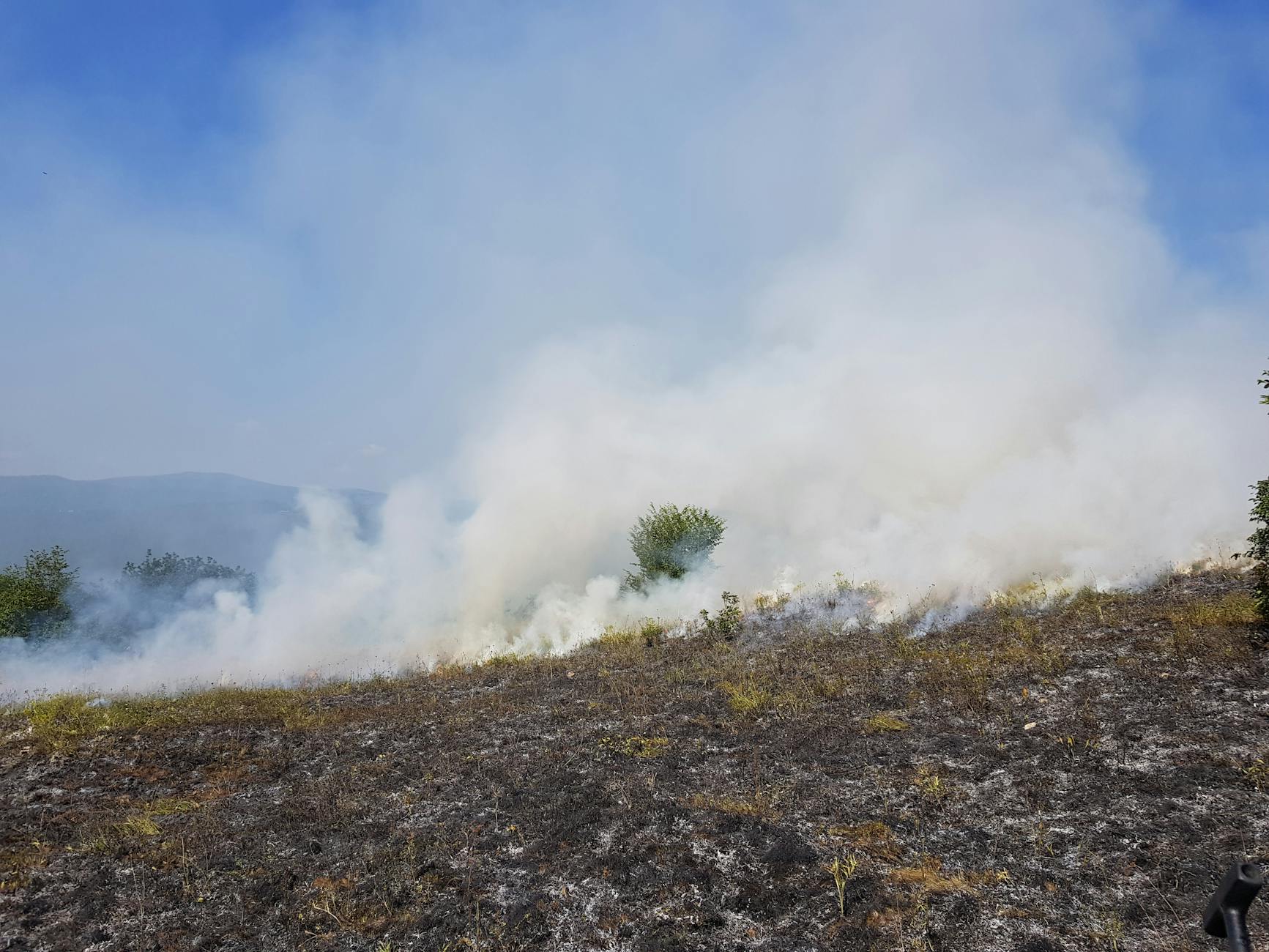
What Actually Works: Evidence-Based Management of Wildfire Smoke Symptoms
When people experience wildfire smoke exposure symptoms, the evidence-based approach involves several components. For those with asthma or COPD, rescue inhalers (short-acting beta-agonists like albuterol) provide rapid symptom relief by opening airways. Controller medications—inhaled corticosteroids or long-acting beta-agonists—reduce baseline inflammation and prevent exacerbations. For people without diagnosed respiratory disease, the focus shifts to exposure reduction and monitoring.
Public health agencies are increasingly developing evacuation protocols specifically for high-risk populations (children, elderly individuals, those with asthma, COPD, or cardiovascular disease) when smoke events are forecast. These aren’t suggestions for comfort; they’re recognition that some people’s respiratory systems simply cannot tolerate the inflammatory injury that smoke causes. Other evidence-based strategies include using HEPA-filtered air purifiers indoors, wearing properly fitted N95 masks when necessary outdoor exposure is unavoidable, and monitoring air quality indices to understand when outdoor activity should be restricted. Some healthcare systems have established wildfire smoke action plans analogous to asthma action plans, helping patients recognize warning signs and know when to seek care.
The Most Vulnerable Groups and Why Smoke Hits Them Harder
Children and adolescents face particular vulnerability to wildfire smoke because their lungs are still developing. Exposure during critical growth periods may impair normal lung development, and young people with asthma experience higher exacerbation rates during smoke events. Firefighters represent another critically vulnerable group—they face occupational exposure to intense smoke at levels far exceeding public health advisories. Many firefighters develop occupational asthma or have asthma triggered by repeated smoke inhalation.
Older adults, particularly those with preexisting cardiovascular or respiratory disease, also experience disproportionate effects. A critical warning: pregnant people face additional concerns because fetal development includes organ system formation, and some research suggests that particulate exposure during pregnancy carries independent health risks. People with asthma or COPD experience the most dramatic symptom exacerbations during smoke events, and those who try to “self-treat” with Chloraseptic or other minor remedies risk delaying appropriate medical care. In severe smoke events, ERs in affected areas see surges in respiratory complaints, and healthcare systems can become strained. The time to address vulnerability is before smoke arrives—through evacuation planning, medication refills, and connection with healthcare providers.

The Delayed Asthma Response: Why Symptoms Often Peak Months Later
One of the most striking findings from wildfire smoke research is that asthma exacerbations often don’t peak during the acute smoke event itself—they peak approximately one year afterward. This delayed response surprised researchers initially, but mechanisms have become clearer: initial smoke exposure appears to trigger allergic sensitization and long-term immune system changes. The ultrafine particles and chemical components in smoke may alter the respiratory epithelium in ways that increase susceptibility to future triggers, or they may prime the immune system to respond more vigorously to allergens it encounters afterward.
This finding has profound implications for management. Someone who experiences wildfire smoke exposure should anticipate that their asthma might worsen in coming months, even after air quality normalizes. They should plan accordingly: ensure they have adequate rescue inhaler supply, maintain regular follow-up with their healthcare provider, and watch for any changes in symptom patterns. This is why Chloraseptic’s temporary numbing effect is particularly insufficient—it addresses only immediate discomfort, while the actual injury and immune response from smoke exposure creates long-term risks that require ongoing medical attention.
Protecting Yourself and Planning for Future Wildfire Seasons
As wildfire seasons intensify in many regions, preparation becomes essential. Start by assessing your personal risk: Do you have asthma, COPD, cardiovascular disease, or are you pregnant or caring for young children? Are you in a region with increasing wildfire activity? If you’re at higher risk, discuss a wildfire response plan with your healthcare provider now, before smoke arrives. This should include medication supplies, evacuation options, and clear warning signs for when you need urgent care. For your home environment, consider installing HEPA air filtration systems if you live in a wildfire-prone area.
These actually remove particulates from indoor air, unlike any topical remedy. Keep N95 masks on hand, but understand they require proper fitting to be effective—a poorly fitted mask provides minimal protection. During smoke events, limit outdoor activity based on air quality index readings, and use that opportunity to catch up on indoor tasks rather than trying to push through respiratory symptoms. Finally, recognize that chronic smoke exposure—from repeated annual fire seasons—may have cumulative health effects that warrant medical monitoring even during clear-air periods.
Conclusion
Chloraseptic has no role in managing wildfire smoke-related respiratory symptoms because no research supports its effectiveness, and its mechanism—topical numbing of the throat—cannot address the deep inflammatory injury that wildfire smoke causes in the lungs. The evidence instead shows that managing smoke exposure requires either protection (evacuation or air filtration), medical intervention (appropriate inhalers and medications), or a combination of both. For people with asthma, COPD, or other respiratory vulnerability, this isn’t a minor distinction—it can mean the difference between manageable symptoms and a serious exacerbation requiring emergency care.
The take-home message for anyone living in wildfire-prone regions is to move beyond over-the-counter symptom masking and toward evidence-based protection and treatment. Know your individual risk factors, develop a plan with your healthcare provider, and recognize when smoke exposure requires more than a lozenge—it requires action that actually modifies your exposure or the inflammatory response. Wildfire seasons will likely continue, but informed preparation can significantly reduce their health impact.
You Might Also Like
- Robitussin for Ragweed Misery: What the Research Shows
- Echinacea vs Cold Symptoms: Does It Really Help?
- Why Tylenol Cold Might Help on Day 3 of a Cold
For more, see Alzheimer’s Association — clinical trials.