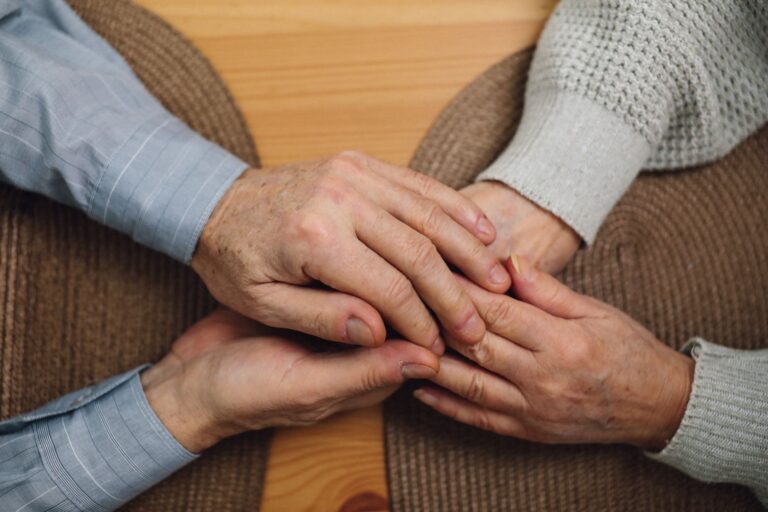
Yes, celebrating a quiet birthday is meaningful during Alzheimer's progression—and often more so than larger gatherings. Even as memory fades, people with Alzheimer's retain the capacity for emotional connection, sensory pleasure, and moments of recognition, especially in calm, familiar settings. Alzheimer's affects approximately 7.2 million Americans age 65 and older, according to the Alzheimer's Association, and disease progression typically spans early, middle, and late stages. A quiet birthday acknowledges what remains while meeting your loved one where they are—not in correction or loss, but in presence and connection.
Medical information disclaimer: This article is for general educational purposes only and does not provide medical advice, diagnosis, or treatment. Always consult a physician or other qualified health professional about symptoms, medications, tests, or treatment decisions.
Table of Contents
- What Emotional Memory Survives Alzheimer's
- How to Design a Dementia-Friendly Birthday
- The Measurable Benefits for Your Loved One
- Why Hope Matters for You as a Caregiver
- Specific Activity Ideas That Work
- Frequently Asked Questions
What Emotional Memory Survives Alzheimer's
Even in mid-to-late disease stages, people with Alzheimer's retain the ability to store emotionally significant events, research published in Frontiers in Psychology shows. This means a birthday moment—the warmth of a familiar voice, a song loved for decades, the sensory pleasure of favorite food—can lodge as an emotional trace, separate from verbal memory.
In early and moderate Alzheimer's stages, individuals retain capacity for emotional connection and meaningful moments of recognition, particularly when triggered by familiar music, photos, or touch, per NIH research. A quiet celebration centered on these triggers—rather than demands to "remember"—honors what still works in the brain while avoiding confusion or distress.
How to Design a Dementia-Friendly Birthday
Quiet, small celebrations in familiar environments outperform large gatherings for people with Alzheimer's; calm settings with soft lighting, familiar routines, and gentle music reduce agitation and allow for meaningful moments of recognition and connection, according to dementia care guidance. Skip the surprise party.
Skip the crowded restaurant. Instead: Meaningful activities tailored to individual abilities—such as reminiscing with old photographs, singing favorite songs, or involving the person in simple tasks like arranging flowers—provide emotional enrichment and reinforce sense of value and connection across all disease stages, per hospice care organizations.
- Celebrate in a familiar room at a calm time of day (often morning or early afternoon, before sundowning)
- Keep the gathering to one or two close family members
- Use soft background music—songs from their earlier life, played quietly
- Offer simple sensory pleasures: a favorite dessert, a familiar scent, time outside if weather permits
- Stay for a shorter period than you would with someone without dementia; 30 to 45 minutes is often ideal
The Measurable Benefits for Your Loved One
Social interaction and celebration moments demonstrably lower stress levels, reduce depression symptoms, and provide measurable pleasure for people with Alzheimer's—benefits that persist even when explicit memory of the event does not. The person may not recall the birthday next week, but the calm joy, the sense of being valued, and the reduction in agitation are real and measurable while it happens.
The approach of meeting loved ones "in their reality" rather than correcting memory or confusion—focusing celebrations on what remains (presence, emotion, sensory experience) rather than what is lost—improves both patient wellbeing and caregiver satisfaction, dementia care specialists note. This shift in perspective transforms the birthday from a painful reminder of loss into a genuine moment of connection.
Why Hope Matters for You as a Caregiver
If you are the family caregiver, your own wellbeing directly shapes the quality of this moment. Research on caregiver burden shows a critical protective effect: hope significantly mediates stress-to-burden pathways in family caregivers, with hope-agency reducing psychological burden and enabling caregivers to see positives in their relationships, per 2024 research in Geriatrics.
A quiet birthday—one built around presence rather than perfect memory—can renew your sense of purpose and connection. Family caregivers provided 19.2 billion hours of unpaid care to people with Alzheimer's in 2024; caregivers reporting higher hope and gratitude experienced measurable reduction in psychological burden and renewed sense of purpose in their caregiving role, the Alzheimer's Association reports. Celebrating quietly is not resignation—it is wisdom about what genuinely connects you to your loved one now.
Specific Activity Ideas That Work
Singing a familiar favorite song (no performance pressure). Looking through old photo albums and commenting on what you see, without insisting they remember. Baking their favorite treat together, even if they forget partway through. Playing their era's music and sitting quietly. Inviting them to help arrange flowers or set a table—tasks that engage without demanding memory.
Sharing a meal together without television or outside distractions. A short walk in a familiar place. Reading aloud from a book they loved, or from cards and messages sent by family. The thread connecting all these is simplicity, familiarity, and the absence of performance or correctness. You are not trying to restore memory. You are creating a moment in which presence and emotion are enough.
Frequently Asked Questions
What if they don't recognize me on their birthday?
Lack of verbal recognition does not mean the celebration is wasted. Emotional memory and the stress-reducing benefits of calm social interaction persist regardless. Meet them gently as they are in that moment, without insisting on recognition.
Is it okay to feel sad that they won't remember this?
Yes. Your grief is real and valid. That said, the benefit to them is real too—measurable reductions in agitation, stress, and depression. You are giving a genuine gift even if it is not stored as explicit memory.
How long should a birthday celebration last?
Thirty to forty-five minutes is often ideal. Longer celebrations can increase fatigue and agitation, especially in middle and late stages. Quality of connection matters far more than duration.