Phosphatidylserine in Foods: A Nutrient Your Brain Craves

Phosphatidylserine is found in meaningful amounts in a surprisingly short list of everyday foods, with the richest sources being organ meats, fatty fish,...
Phosphatidylserine is found in meaningful amounts in a surprisingly short list of everyday foods, with the richest sources being organ meats, fatty fish,...

The foods highest in choline — the nutrient your brain depends on to build acetylcholine, the neurotransmitter behind memory and learning — are beef...

Feeding your gut the right prebiotic fibers can measurably improve your brain function, particularly memory and learning abilities that tend to decline...

Several specific probiotic strains now have clinical evidence supporting their role in cognitive function, with Bifidobacterium breve A1 (MCC1274)...

The short answer is yes — anthocyanins, the pigments that give blueberries, cherries, and purple cabbage their deep color, are among the most promising...
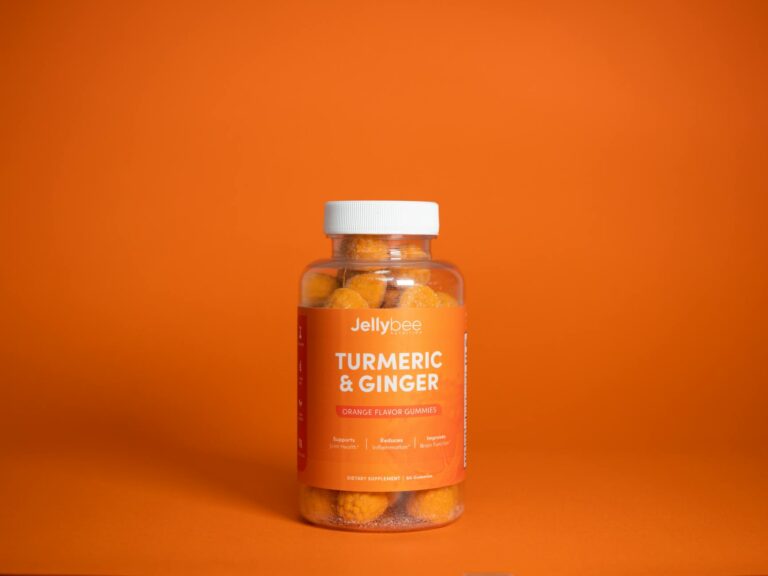
Neither curcumin supplements nor whole turmeric is universally "better" for the brain — they do different things, and the right choice depends on what you...

When Ophelia hands out rosemary in Hamlet and says "that's for remembrance," Shakespeare was drawing on something more than poetic metaphor.

Honey is both an ancient remedy and a subject of legitimate modern science, and the short answer is that certain varieties, particularly raw and darker...

Cinnamon, one of the oldest spices in recorded history, contains compounds that appear to protect brain cells through several distinct biological pathways...

Research on soy and cognitive function is genuinely split down the middle. Roughly half of all studies on phytoestrogens and brain health show positive...