How to Offer Help Without Taking Over
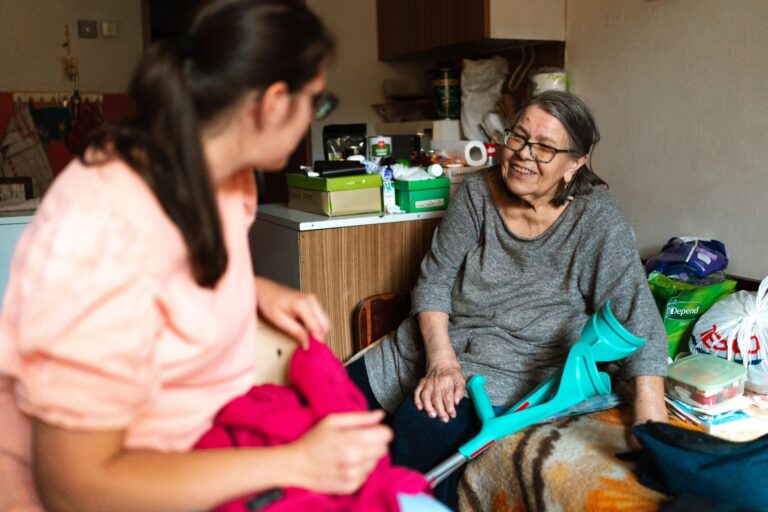
The goal is to support, not substitute—finding the point where you step in to protect safety while stepping back to preserve dignity.
The goal is to support, not substitute—finding the point where you step in to protect safety while stepping back to preserve dignity.

Dignity in dementia care starts with everyday language and choices—treating routine tasks as activities a capable adult would do, not dependent routines managed by others.

Removing comfort objects gradually prevents distress and behavioral decline in dementia care.

Choosing the right pajamas for bedtime can transform your evenings from a battle into a calm routine.

A closet full of clothing can trigger decision paralysis and distress, especially as cognitive ability declines.

Clear visual contrast, lighting, and simple symbols help people with dementia navigate doorways safely by creating instant, unmistakable spatial recognition.

Depth perception loss makes ordinary distances deceiving—modifying the home and your assistance strategies keeps them safe.

Structure matters more than activity: a quiet day with rhythm is better for someone with dementia than a busy day crammed with events.

Multiple small strokes damage the brain cumulatively, and their effects compound long before symptoms appear.

Where a stroke occurs determines whether thinking problems involve language, memory, judgment, or spatial awareness—each brain region handles different mental abilities.