12 Risk Factors That Increase the Chance of SI Joint Dysfunction

SI joint dysfunction—pain and instability in the sacroiliac joint where the spine connects to the pelvis—results from a combination of anatomical,...
SI joint dysfunction—pain and instability in the sacroiliac joint where the spine connects to the pelvis—results from a combination of anatomical,...

Eight specific warning signs can indicate that your lower back pain is caused by disc degeneration—a condition where the spinal discs that cushion your...

The 10 most common causes of lumbar spine degeneration that doctors identify are: aging and natural disc degeneration, smoking, obesity or being...

Lumbar spine damage can develop gradually through years of repeated stress, or it can occur suddenly from a single traumatic event.
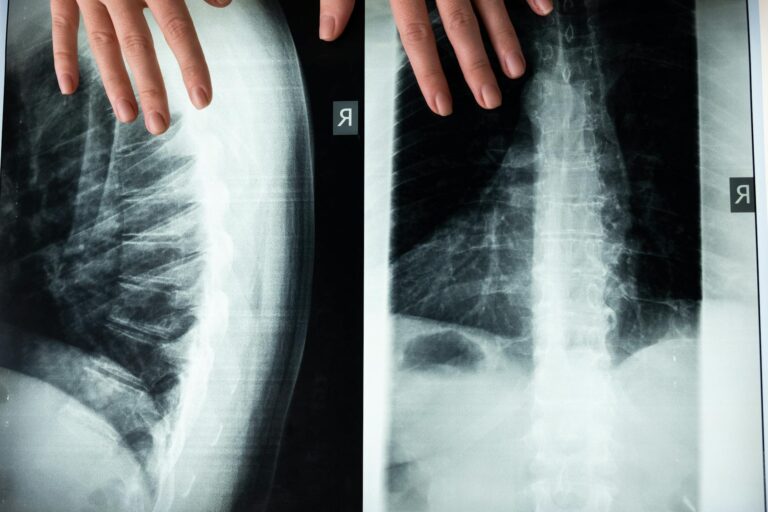
The eight most common symptoms of lumbar disc degeneration develop gradually over years or even decades, often so slowly that people don't realize...

Growth factors are naturally-occurring proteins that function as chemical messengers between cells, regulating the cellular responses needed for wound...

Oily skin significantly increases your risk of developing acne. Research shows that people with acne produce approximately 59% more sebum than those with...

A low T-score indicates bone density below what's considered normal for a young adult, and it significantly increases the risk of breaking a bone.

Chronic back pain is not a matter of bad luck. Doctors and researchers have identified seven specific risk factors that substantially raise your odds of...

If you have been dealing with a persistent, dull ache in your lower back that seems worse when you sit but oddly improves when you get up and walk around,...
HelpDementia.com
Dementia, Alzheimer's, Caregiving & Healthy Aging Guidance
© 2026 HelpDementia.com. All rights reserved.
Educational information only. It is not medical advice and does not replace care from a qualified clinician.