Why do older adults experience dry mouth and how to treat it
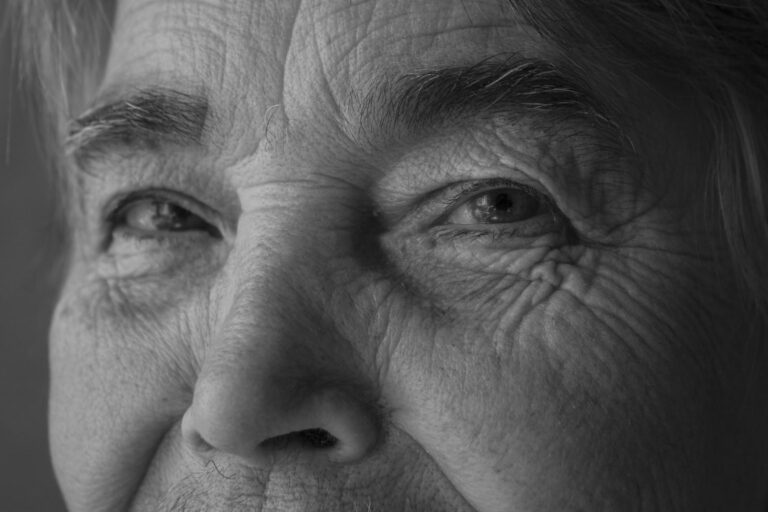
Dry mouth in older adults is not simply a matter of drinking less water or breathing through the mouth at night.
Dry mouth in older adults is not simply a matter of drinking less water or breathing through the mouth at night.

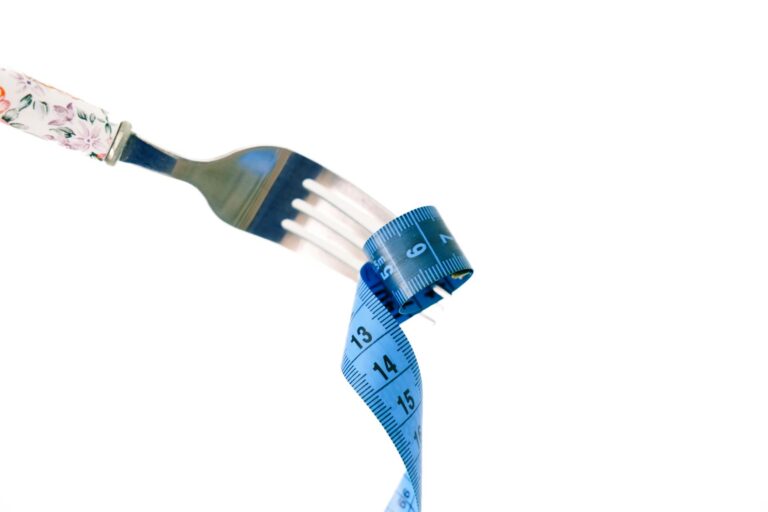
The signs of malnutrition in elderly adults include unintentional weight loss, muscle wasting, fatigue, slow wound healing, brittle hair and nails, dry or...
The signs of dehydration in older adults include dark yellow or amber urine, dry mouth and cracked lips, confusion or sudden changes in mental status,...
Dizziness in older adults most commonly stems from a handful of well-documented causes: inner ear problems (particularly benign paroxysmal positional...
Untreated anxiety does more than cause sleepless nights and persistent worry — it actively damages the brain over time.
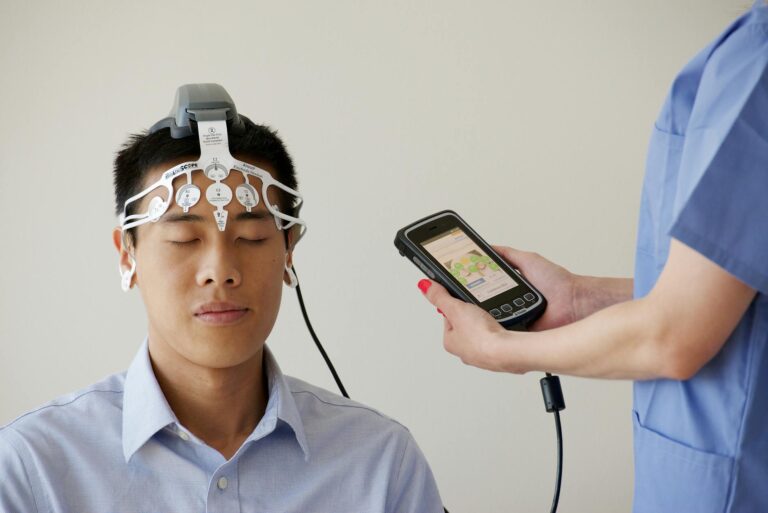
The evidence points toward yes — treating hearing loss does appear to reduce the risk of cognitive decline, and in some cases may meaningfully slow it.

The best smoothie recipes for brain health combine blueberries, leafy greens like spinach or kale, omega-3-rich seeds or walnuts, and a protein source...

The MIND diet holds a clear advantage over the DASH diet when the specific goal is protecting brain health and reducing Alzheimer's risk.
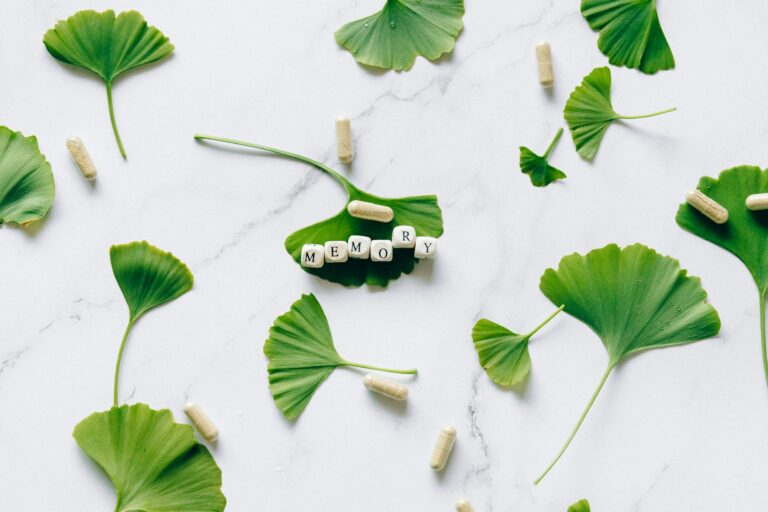
Antioxidants play a direct and measurable role in slowing brain aging by neutralizing reactive oxygen species — the unstable molecules that accumulate...
The best fish for brain health are salmon, sardines, Atlantic mackerel, herring, freshwater trout, anchovies, canned light tuna, and Pacific oysters.
HelpDementia.com
Dementia, Alzheimer's, Caregiving & Healthy Aging Guidance
© 2026 HelpDementia.com. All rights reserved.
Educational information only. It is not medical advice and does not replace care from a qualified clinician.