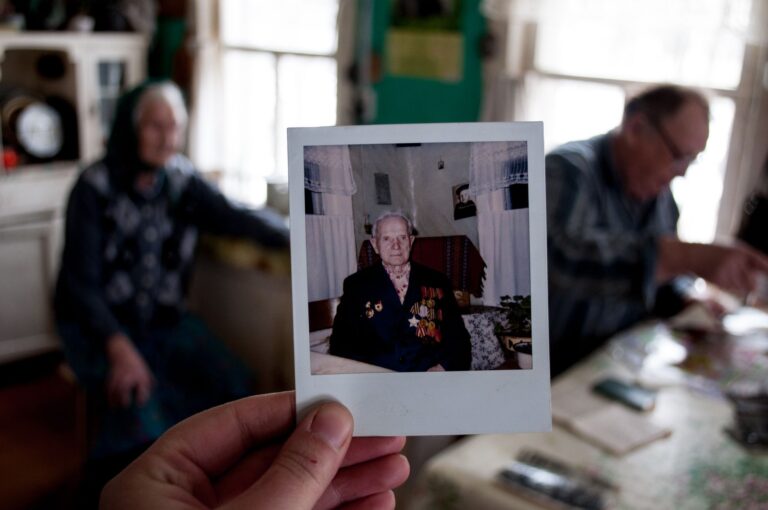
Caregiver education sits at the center of this dementia and brain health question.
The Atlanta Neuroscience Institute and the Alzheimer’s Association–Atlanta Chapter have launched a partnership that brings structured, expert-led education directly to families and caregivers in the Atlanta area. Starting in April 2026, the partnership will offer a four-part community lecture series running monthly through July, specifically designed to educate and support individuals living with Alzheimer’s disease, their caregivers, and families navigating the complexities of dementia care. This initiative reflects a growing trend across the United States toward creating accessible educational programs that address both the clinical and emotional needs of caregivers who often feel isolated in their roles.
This article explores what the partnership offers, how it fits into the larger landscape of caregiver education, and why this type of programming matters for people affected by dementia. The 2026 partnership announcement comes at a time when caregiver burnout and knowledge gaps remain significant challenges. Many family caregivers report feeling unprepared for the behavioral, medical, and emotional demands of supporting someone with Alzheimer’s disease. Educational conferences and community lectures have become essential touchpoints where caregivers can learn from researchers, clinicians, and experienced professionals while also connecting with others facing similar challenges.
Table of Contents
- What Makes the Atlanta Partnership Different From Traditional Dementia Education?
- What Major Caregiver Education Events Are Happening in 2026?
- Understanding the Long History of Caregiver Conference Programming
- Who Benefits Most From Educational Conferences Like This?
- Common Barriers to Accessing Caregiver Education
- What Established Caregiver Support Looks Like
- The Future of Caregiver Education in Dementia Care
- Conclusion
What Makes the Atlanta Partnership Different From Traditional Dementia Education?
The Atlanta Neuroscience Institute and Alzheimer’s Association collaboration stands out because it combines clinical expertise from a dedicated neuroscience center with the community reach and advocacy resources of an established organization. The Alzheimer’s Association has spent decades building caregiver support networks, while the Atlanta Neuroscience Institute brings specialized neurological research and clinical knowledge specific to neurodegenerative diseases. This pairing means attendees gain access to cutting-edge information grounded in actual research rather than generalized dementia education materials.
The four-part structure is deliberately designed to build knowledge progressively rather than overwhelming participants in a single event. Monthly sessions allow caregivers to absorb information, implement strategies at home, and return with new questions—creating a learning cycle that’s more effective than one-time conferences. For example, a caregiver might attend an April session on early-stage behavioral changes, go home and observe their loved one’s responses, then return in May with specific questions about communication strategies. However, the monthly format does require ongoing time commitment, which may not work for caregivers managing tight schedules or traveling from distant areas.

What Major Caregiver Education Events Are Happening in 2026?
Beyond Atlanta, 2026 is shaping up to be a significant year for caregiver-focused dementia education. The National Institute on Aging is hosting the 2026 Dementia Care and Caregiving Research Summit as a virtual event from March 17-19, focusing on research progress and identifying unmet needs in dementia care. This high-level summit brings together researchers, individuals living with dementia, care partners, and healthcare providers to discuss the latest findings and gaps in current research—making it particularly valuable for caregivers who want to understand what research is actually telling us about dementia progression and intervention strategies. Regionally, the Alzheimer’s Association is also organizing several major conferences in 2026.
The Wisconsin State Conference, scheduled for May 19-20 at Kalahari Resort in Wisconsin Dells, is described as one of the largest and most comprehensive statewide conferences dedicated to Alzheimer’s and dementia. It will host hundreds of professional and family caregivers, offering significantly more scope and variety in sessions compared to the smaller Atlanta monthly lecture series. Internationally, the Alzheimer’s Association International Conference (AAIC) is taking place July 12-15, 2026, in London with online access options—attracting researchers and professionals from around the world. The difference between these events is significant: the Atlanta monthly series is hyper-local and builds progressively, while state and international conferences offer broader exposure to diverse topics and networking with larger communities.
Understanding the Long History of Caregiver Conference Programming
Caregiver education conferences aren’t new. The Alzheimer’s Association’s Oregon chapter has been providing quality, person-centered education and training to family and professional caregivers for nearly three decades. This long track record shows that there’s sustained, proven demand for this type of programming—organizations wouldn’t continue running these conferences if they didn’t deliver value to attendees. The Oregon model has refined what works over 30 years: balancing clinical information with emotional support, including both professional and family caregiver perspectives, and creating space for real questions and discussion.
What’s different about the Atlanta partnership in 2026 is the addition of neuroscience institute involvement. While the Alzheimer’s Association brings established programming expertise, the Atlanta Neuroscience Institute’s participation signals a shift toward embedding more cutting-edge neurological research directly into community education rather than keeping it siloed in academic settings. This collaboration model is beginning to appear in other cities as well, reflecting recognition that families need access to the most current scientific understanding, not just general caregiving tips. The limitation, however, is that not all regions have a dedicated neuroscience institute willing to partner with advocacy organizations, so the Atlanta model may not be immediately replicable everywhere.

Who Benefits Most From Educational Conferences Like This?
The target audience for the Atlanta lecture series includes family caregivers, individuals in early stages of cognitive decline, and professionals working in dementia care settings. Family caregivers benefit most because they typically lack formal training in dementia-specific care and often learn through trial and error, making mistakes that increase their stress. For example, a family member might not understand that aggression or resistance during bathing is a common symptom of dementia rather than willful misbehavior—education helps them reframe these situations and respond with appropriate strategies rather than frustration.
Professional caregivers—aides, nurses, social workers—also gain value, though their needs differ slightly from family caregivers. Professionals may already understand the clinical picture but need updates on new medications, behavioral approaches, or communication techniques. The structured lecture format works well for both groups because it can pitch information at a level accessible to family members while still offering depth that keeps professionals engaged. However, someone providing care to a person in the late stages of Alzheimer’s may find early-stage education less immediately applicable, and a caregiver without transportation to Atlanta events will need to explore the virtual options or other programs entirely.
Common Barriers to Accessing Caregiver Education
One often-overlooked challenge in caregiver education is that the people who need it most frequently can’t attend. Caregivers managing round-the-clock care for someone with advanced dementia may not have the ability to leave their care recipient for several hours to attend a lecture, even an important one. Some conferences now offer virtual attendance options or recorded sessions to address this barrier, though the Atlanta partnership’s announcement didn’t specify whether the monthly lectures would be available online or strictly in-person. This is a critical detail for families outside the immediate Atlanta area or those managing full-time caregiving responsibilities.
Another limitation is that caregiver education, while valuable, doesn’t always address the emotional and practical support caregivers need simultaneously. Knowing the clinical reasons behind a loved one’s behavior is helpful, but it doesn’t replace respite care, counseling, or financial assistance with care costs. The best conferences pair education with access to resources like support groups, care consultation services, and connections to community programs. Attendees should ask whether the Atlanta lecture series connects participants to these additional support services or functions primarily as an informational event.

What Established Caregiver Support Looks Like
The Alzheimer’s Association, which is partnering in the Atlanta initiative, has built one of the most comprehensive caregiver support ecosystems in the United States. Beyond conferences, they offer 24/7 helplines, in-person and virtual support groups, care consultation services, and educational materials in multiple languages. A caregiver in Chicago might call the Alzheimer’s Association helpline late at night, speak with someone who understands dementia care, and be connected to local resources—all within minutes.
This infrastructure of ongoing support is often as important as conferences themselves. The Oregon chapter’s nearly 30-year history with caregiver conferences reflects this broader commitment to building a sustainable support system. Caregiver education works best as part of a larger ecosystem, not as a standalone event. Anyone considering attending the Atlanta lectures should also explore what else the Alzheimer’s Association–Atlanta Chapter offers, such as support groups, care planning consultations, and educational resources available between monthly lectures.
The Future of Caregiver Education in Dementia Care
The 2026 calendar—with the Atlanta partnership, the National Institute on Aging research summit, the Wisconsin state conference, and the international AAIC conference—suggests that caregiver education is becoming more specialized and accessible. Rather than one-size-fits-all conferences, there’s movement toward targeted programs for specific audiences (family vs. professional caregivers), formats (monthly community lectures vs. full-day conferences), and delivery methods (in-person vs. virtual).
The Atlanta model, with its monthly structure and neuroscience institute partnership, represents one innovative approach. Looking forward, the success of partnerships like Atlanta’s may encourage other neuroscience centers, universities, and healthcare systems to create similar educational collaborations. As dementia prevalence continues to rise—particularly as the population ages—the demand for caregiver education will only increase. Programs that make evidence-based information accessible to people managing care at home, rather than only at conferences, will likely expand. This shift reflects a maturing understanding that caregiver education isn’t a nice-to-have feature but an essential part of dementia care infrastructure.
Conclusion
The Atlanta Neuroscience Institute and Alzheimer’s Association partnership launching in April 2026 represents a meaningful step toward making specialized dementia education more accessible to families and caregivers in the Atlanta region. The four-part monthly lecture series, running through July, offers a unique model—combining progressive learning with expert clinical input—that addresses real gaps many caregivers face when navigating Alzheimer’s disease and dementia care. This initiative arrives alongside multiple other caregiver education opportunities in 2026, from the National Institute on Aging’s research summit to state and international conferences.
If you’re a caregiver in Atlanta or the surrounding area, the monthly lectures offer a concrete opportunity to deepen your understanding of dementia and connect with others facing similar challenges. For caregivers elsewhere, 2026 provides numerous pathways to education and support, from virtual events to regional conferences. The key is to view education as an ongoing part of your caregiving journey, not a one-time event, and to combine conference participation with access to other support services—groups, consultations, and resources—that can sustain you through your caregiving experience.
You Might Also Like
- Harvard Researchers Optimistic About New Era in Alzheimer’s Care
- Difficulty With Daily Tasks May Signal Early Alzheimer’s Onset
- Free Community Conference Brings Alzheimer’s Education to Las Vegas
For more, see Alzheimer’s Association — medical tests.