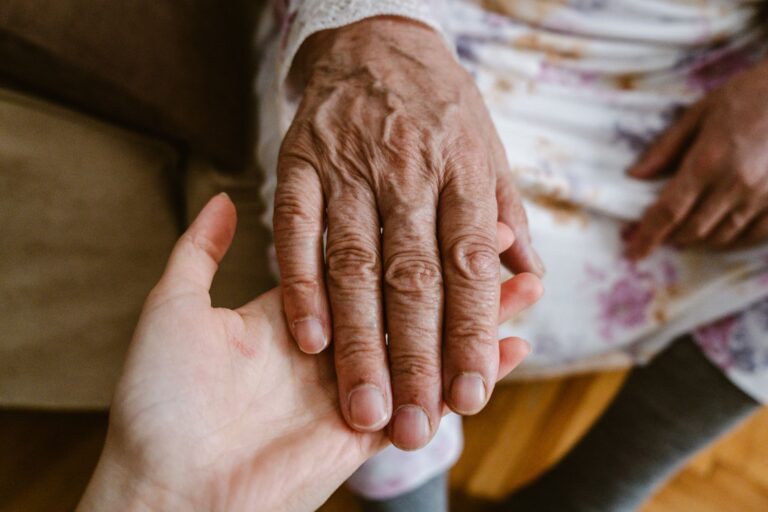
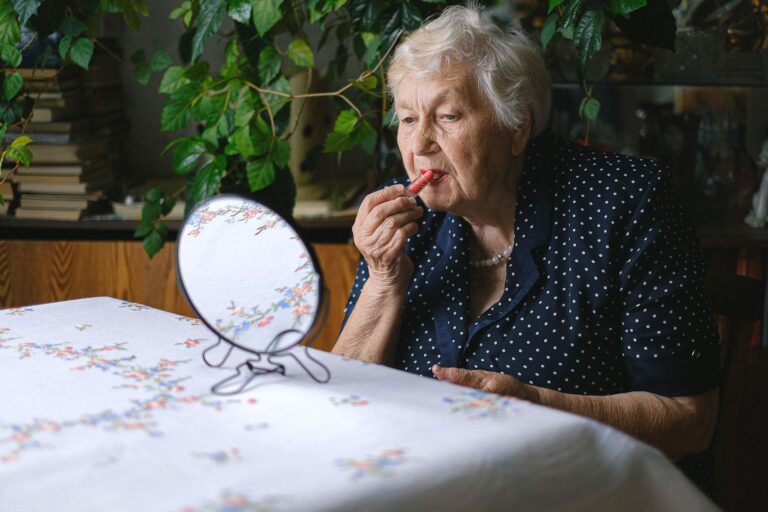
Free community sits at the center of this dementia and brain health question.
The Alzheimer’s Foundation of America is bringing a free community conference to Las Vegas on April 15, 2026, offering residents and caregivers direct access to expert education on Alzheimer’s disease, brain health, and dementia caregiving without any cost or registration barriers. Hosted at the Embassy Suites by Hilton Convention Center (3600 Paradise Road), the three-hour event from 10 a.m.
to 1 p.m. will cover practical topics ranging from early detection strategies to communication techniques for family members navigating dementia care. This article walks you through what the conference covers, who it’s designed for, how to register, and why community-based education events like this one are critical resources for families facing Alzheimer’s and memory loss.
Table of Contents
- When and Where Is This Alzheimer’s Education Conference in Las Vegas?
- What Topics Will Be Covered at the Conference?
- Who Should Attend This Free Alzheimer’s Conference?
- How to Register and What to Expect
- Why Free Community Conferences Matter for Alzheimer’s Awareness
- Local Resources and Ongoing Support in Nevada
- Looking Ahead: Making Alzheimer’s Education Part of Your Health Plan
- Conclusion
- Frequently Asked Questions
When and Where Is This Alzheimer’s Education Conference in Las Vegas?
The Alzheimer’s Foundation of America has scheduled this educational conference for April 15, 2026, from 10 a.m. to 1 p.m. at the Embassy Suites by Hilton Convention Center, located at 3600 Paradise Road in Las Vegas.
The three-hour window allows working caregivers and professionals to attend without taking a full day off, though the mid-morning timing may be inconvenient for those managing daytime care responsibilities for a loved one with Alzheimer’s—in those cases, advance registration at alzfdn.org/tour will confirm whether the AFA offers any flexibility or alternative attendance options. The Embassy Suites location is accessible by public transportation and offers ample parking, making it easier for attendees who may be traveling with elderly relatives or those who are less comfortable driving in unfamiliar areas. The venue’s convention center setup ensures the conference can accommodate a large attendance, which is important given that Alzheimer’s and dementia affect over 6 million Americans, and caregivers often benefit from group settings where they can connect with others facing similar challenges.

What Topics Will Be Covered at the Conference?
The conference agenda addresses seven core areas essential to dementia caregiving and prevention: early detection of Alzheimer’s disease, brain health and cognitive aging, caregiver strategies for managing day-to-day challenges, techniques for improving communication with someone experiencing memory loss, behavioral management approaches, healthy aging practices, and local resources specific to Nevada. However, a three-hour conference cannot cover every clinical detail or individual variation in how Alzheimer’s progresses—attendees with highly specialized medical questions should plan to follow up with their loved one’s neurologist or primary care physician after the event, as some individual circumstances require personalized medical guidance that group education cannot provide.
The structure of covering both prevention strategies (early detection, brain health, healthy aging) and caregiving tactics (communication, behavioral management, local support) makes the conference valuable for multiple audiences. Someone in their 50s worried about cognitive decline will find the early detection and brain health sessions useful, while an adult child managing a parent’s advanced dementia will benefit more from the behavioral management and caregiver strategy sessions.
Who Should Attend This Free Alzheimer’s Conference?
This conference is designed for anyone with a stake in Alzheimer’s awareness and care, including family members and friends of people living with dementia, healthcare workers and social service professionals, older adults interested in brain health and prevention, and caregivers at any stage of the caregiving journey. If you’ve noticed increasing memory lapses in yourself or a loved one, the early detection session will help you understand warning signs versus normal aging—for example, occasionally forgetting where you put your keys is typical aging, but repeatedly asking the same question within minutes may signal something worth discussing with a doctor.
Attending as a family group can also be valuable. Bringing adult children or other relatives to the conference helps distribute caregiving knowledge and responsibilities, reducing the sense of burden that falls solely on one primary caregiver. Many dementia families find that when multiple relatives understand the disease better, communication improves and support networks strengthen.

How to Register and What to Expect
Registration is free and highly recommended in advance through alzfdn.org/tour, where you’ll likely find the full agenda, be able to reserve your spot, and potentially receive materials or updates prior to the event. While the conference is open to walk-ins, advance registration helps the AFA plan seating, materials, and staff support, so showing up early and registering on-site should be a backup plan rather than the primary approach. Expect an informational environment rather than a medical appointment.
You’ll hear from Alzheimer’s specialists and experienced educators, and you’ll have the opportunity to learn alongside others in your situation. Bring a notebook or have your phone ready to note important points, and consider taking a list of your specific questions—organizers often reserve time for Q&A, though with large attendance, you may not get to every personal question. In that case, the AFA helpline (866-232-8484) or web chat at alzfdn.org are available 7 days a week to address follow-up concerns.
Why Free Community Conferences Matter for Alzheimer’s Awareness
Alzheimer’s disease carries a significant stigma in many communities, and many families delay seeking support or information because they’re unsure where to turn or embarrassed to ask questions. Free, open, public conferences like this one normalize dementia care conversations and signal that support is available and accessible. By removing cost as a barrier, the AFA ensures that financial constraints won’t prevent someone from getting critical information about early detection, caregiving strategies, or available resources.
However, not everyone can attend an in-person event due to mobility issues, work schedules, or caregiving demands—families unable to attend should know the AFA also offers virtual programming and helpline support year-round. Community events also create informal networking opportunities. You might sit next to another caregiver at this conference and discover you’re both managing similar challenges, leading to friendships and mutual support that extend beyond the three-hour event. For many families, these peer connections are as valuable as the formal educational content.

Local Resources and Ongoing Support in Nevada
The conference will highlight resources specific to southern Nevada, helping attendees connect with local Alzheimer’s support groups, adult day centers, in-home care services, and memory care facilities. Southern Nevada has a growing aging population and several established Alzheimer’s care providers, but navigating the options without guidance can be overwhelming.
AFA representatives will help clarify which services apply to different stages of dementia and how to access them. Beyond the conference, the Alzheimer’s Foundation of America maintains its helpline at 866-232-8484 (available 7 days a week), text support at 646-586-5283, and a web chat option at alzfdn.org for anyone needing guidance after the April event. These resources are not conference-specific; they’re permanent support infrastructure the AFA provides to help families navigate Alzheimer’s care decisions and access appropriate community services.
Looking Ahead: Making Alzheimer’s Education Part of Your Health Plan
A single three-hour conference is a valuable entry point but not a complete education in Alzheimer’s care and prevention. Consider this event the foundation of an ongoing commitment to learning about dementia, whether that means joining a local support group, following reputable sources on brain health, or reconnecting with your doctor about your personal risk factors. For some attendees, especially those concerned about cognitive decline, this conference may prompt important medical conversations—bring what you learn to your next doctor’s appointment.
As Alzheimer’s rates continue to rise and more families face these challenges, community education events like this one become increasingly important. The April 15 conference represents the AFA’s commitment to making information accessible and reducing the isolation many caregivers feel. Whether you attend to learn about prevention, navigate current caregiving challenges, or simply build your knowledge, you’re taking an active step in dementia awareness and care.
Conclusion
The Alzheimer’s Foundation of America’s free conference on April 15, 2026, from 10 a.m. to 1 p.m. at the Embassy Suites by Hilton Convention Center offers Las Vegas residents a direct opportunity to learn about early detection, brain health, caregiving strategies, behavioral management, and local support resources.
Free attendance removes financial barriers, and advance registration through alzfdn.org/tour is recommended to ensure you have a spot and receive any preliminary materials. If you’re a family member concerned about cognitive changes, a caregiver seeking practical strategies, or someone interested in brain health and prevention, mark April 15 on your calendar. Register in advance, bring your questions, and connect with others navigating the Alzheimer’s journey. For questions before or after the conference, contact the AFA helpline at 866-232-8484, text 646-586-5283, or visit their web chat at alzfdn.org.
Frequently Asked Questions
Is advance registration required, or can I just walk in?
While the conference is open to walk-ins, the AFA highly recommends registering in advance at alzfdn.org/tour to ensure seating, receive materials, and help organizers plan for attendance.
Will the conference cover specific medications or treatment options?
The conference focuses on education about symptoms, detection, caregiving strategies, and support resources rather than specific medications. For personalized medical and treatment information, consult with your doctor or a neurologist.
Can I attend if I’m concerned about my own memory but haven’t been diagnosed?
Yes—the early detection and brain health sessions are designed for anyone concerned about cognitive changes, whether you’re experiencing them personally or noticing them in a loved one.
What should I bring to the conference?
Bring a notebook or phone to take notes, a list of questions you’d like answered, and any contact information you may want to exchange with others you meet. The conference is held indoors, so typical indoor attire is appropriate.
Is there childcare available at the venue?
This is not mentioned in conference details—contact the AFA at 866-232-8484 before April 15 to ask about childcare availability or other accommodations you may need.
If I can’t attend in person, are there virtual options?
This specific conference details don’t mention virtual attendance, but the AFA does offer year-round virtual programming and resources. Contact them at alzfdn.org or the helpline to ask about other educational opportunities.
You Might Also Like
- Updates on Blarcamesine and Lecanemab From AD/PD 2026 Conference
- Regional West and Alzheimer’s Association Host Empowered Caregiver Conference
- Ultra-Sensitive Assays Improve Early Parkinson’s and Alzheimer’s Detection
For more, see Alzheimer’s Association — medical tests.