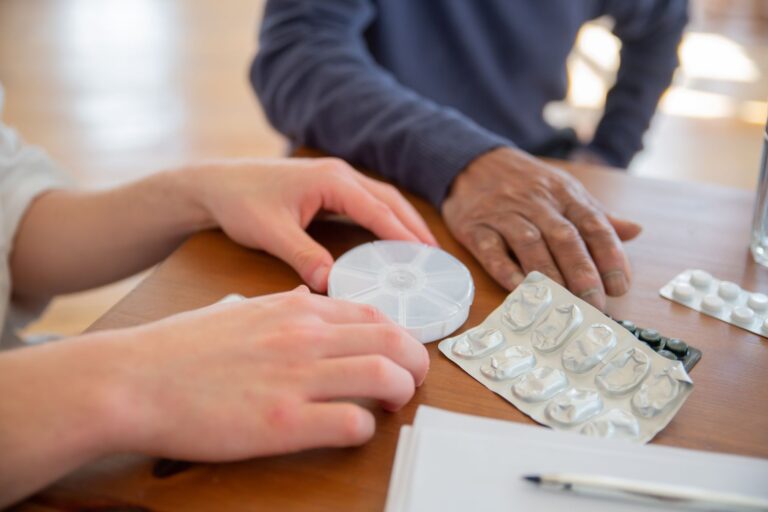
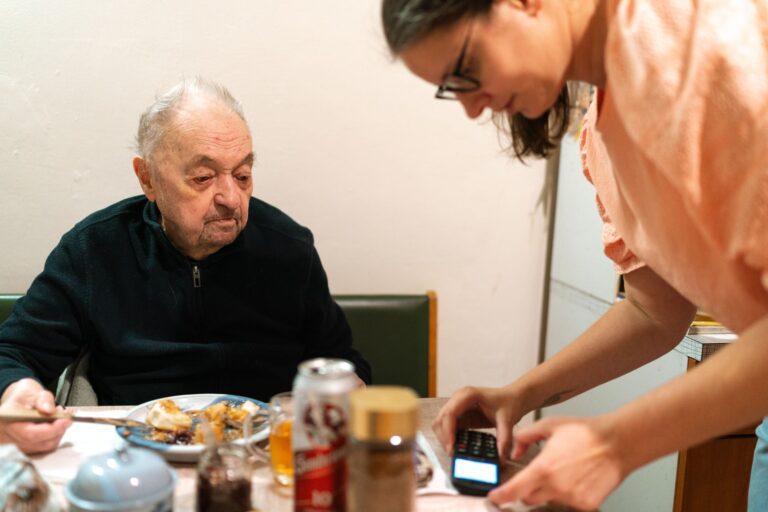
Use short, calm sentences with one idea at a time, and stop testing recent memory. Respite care is short-term cover that lets a caregiver rest while the person with dementia keeps receiving care in a safe setting. Recent memory loss means new information fades fast while older memories often hold longer. Clear speech, a quiet setting, familiar topics, patience, and planned breaks reduce friction for both people.
Medical information disclaimer: This article is for general educational purposes only and does not provide medical advice, diagnosis, or treatment. Always consult a physician or other qualified health professional about symptoms, medications, tests, or treatment decisions.
Table of Contents
- How should you sound when memory is fragile?
- How do you set up a better conversation?
- What should you talk about instead of yesterday?
- How do you handle repeats and wrong details?
- Where do body language and respite breaks fit?
How should you sound when memory is fragile?
Speak slowly and clearly, using short, simple sentences. Put one idea or one question in each turn, then wait.
According to Methodist Health System, caregivers should keep a calm, gentle tone without interrupting, criticizing, or arguing in its practical communication guide. Say "Let's drink some water," not "Do you remember what you drank after lunch and whether you want more?" Offer one choice at a time. Keep your voice steady even when the answer repeats.
How do you set up a better conversation?
Reduce distractions before you speak. Turn off the TV or radio, improve lighting, check that glasses are clean, get attention first, then talk face to face.
Warwickshire County Council Living Well With Dementia advises gaining attention first and keeping eye contact at eye level in its tips for communicating. This setup helps when respite staff or family substitutes step in, because the routine stays the same.
- Get close, use the person's name, and wait for eye contact.
- Turn noise down, face the light, and stay at eye level.
- Ask one brief question, then pause for an answer.
What should you talk about instead of yesterday?
Do not quiz recent memory. Avoid hard what, where, when, and who questions about the last few days, and do not run memory tests.
Methodist Health System recommends familiar names, jokes, present-moment topics, photos, clocks, and written lists instead. Israel Ministry of Health notes that long-term memory often stays stronger than short-term memory, so talking about the past usually works better than asking about recent days. Try "Tell me about this photo" rather than "Who visited yesterday?" Keep a clock, calendar, and short list visible for time, plans, and names.
How do you handle repeats and wrong details?
Allow extra time for processing and answering. Expect repetition, lost threads, and repeated questions from short-term loss. Warwickshire County Council Living Well With Dementia advises acknowledging what was said and avoiding contradiction to prevent exhaustion for both sides.
If the person says something incorrect, do not argue or correct sharply. Respond to the feeling, restate simply, and move on: "That sounds worrying. I am here. Let's have tea." Write down the current plan so you can point to it instead of repeating from memory.
Where do body language and respite breaks fit?
Words matter less as language declines, but mood still comes through. The U.S. Department of Veterans Affairs dementia caregiver support program says calm tone, friendly expression, pointing, welcome gentle touch, and open posture help because mood is still sensed in its dementia caregiver support page.
Respite care protects that calm by giving caregivers temporary rest for errands, sleep, friends, or health visits, according to the Alzheimer's Association in its respite care overview. The person with Alzheimer's keeps receiving care in a safe environment, which supports continued caregiving and lowers burnout risk. These tactics aid connection but do not restore memory, and middle-stage dementia may still bring word-finding trouble, repeated questions, lost train of thought, and more reliance on gestures. Leave a one-page sheet for respite helpers with names, key phrases, daily order, and what calms the person.