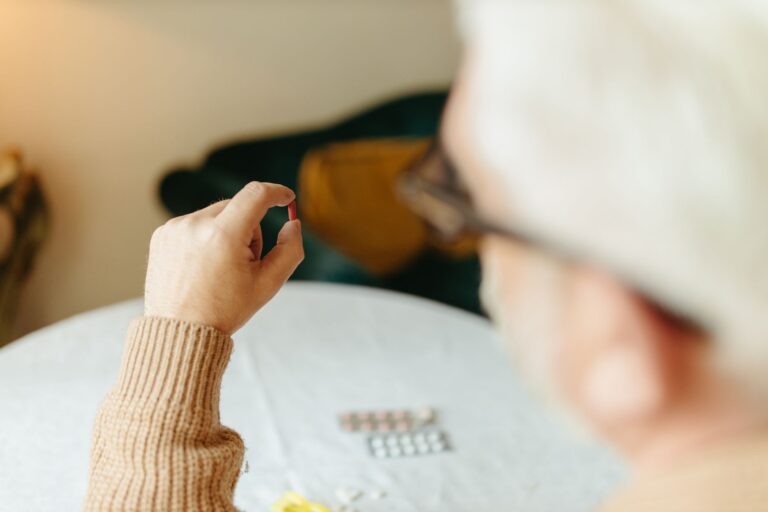
Food pocketing is when a person holds chewed or unchewed food in their cheeks instead of swallowing it, often without noticing it's still there. It's a common eating change in moderate-stage dementia, and the checklist below covers how to spot it, reduce it at the table, and know when it signals a bigger swallowing problem. Pocketing shows up alongside other mealtime behaviors — spitting food out or turning away from it — that families frequently find upsetting to watch, according to Alberta Health Services. It isn't defiance or a feeding mistake; it reflects changes in how the brain manages chewing and swallowing as dementia progresses.
Medical information disclaimer: This article is for general educational purposes only and does not provide medical advice, diagnosis, or treatment. Always consult a physician or other qualified health professional about symptoms, medications, tests, or treatment decisions.
Table of Contents
- What Pocketing Signals About Dementia Stage
- A Mealtime Checklist to Reduce Pocketing
- Checking the Mouth After Eating and Medication
- When Pocketing Points to Dysphagia
- Frequently Asked Questions
What Pocketing Signals About Dementia Stage
University Health Network's caregiver guide places pocketing — including holding medication in the cheek without realizing it — in the moderate stage of dementia-related swallowing difficulty, a step beyond the milder issues seen earlier, such as slower eating or occasional food refusal, according to UHN's guide. That staging matters practically.
A caregiver managing early-stage slowness can usually just allow more time at the table. Moderate-stage pocketing calls for a different response: checking what's happening in the mouth, not just what's happening on the plate. Because the person may not sense that food or a pill is still tucked in their cheek, the behavior can persist meal after meal unnoticed unless someone is specifically checking for it.
A Mealtime Checklist to Reduce Pocketing
A few concrete adjustments at each meal lower how often pocketing happens and make it easier to catch when it does: These steps address the two main drivers of pocketing: distraction that interrupts the swallow reflex, and food textures or portions the mouth can't manage efficiently.
- Serve meals in a quiet space, away from the television, since distraction during eating is linked to behaviors like pocketing, per the Alzheimer's Association.
- Offer one or two foods at a time rather than a full plate, and provide finger foods or sandwich-style items that support self-feeding, per the Alzheimer's Association.
- Use small mouthfuls, and keep the person sitting fully upright during the meal and for at least 30 minutes afterward, per the RDaSH NHS leaflet.
- Choose softer, moister foods, and avoid hard, dry, tough, chewy, crispy, crunchy, sticky, stringy, or floppy textures, per the same RDaSH leaflet.
- Pause and let the person rest if they stop eating; a meal may reasonably take an hour or longer, per the Alzheimer's Association.
Checking the Mouth After Eating and Medication
Because a person with moderate-stage pocketing may not notice retained food, checking the mouth after meals and after giving medication is a direct, low-effort safeguard. Both UHN's guide and the RDaSH leaflet recommend confirming the mouth is empty once eating or pill-taking is finished, since unchecked retained food or medication raises the risk of choking and aspiration — food or liquid entering the airway or lungs, according to UHN and RDaSH NHS.
This check takes seconds: look inside both cheeks, and gently prompt the person to swallow again if food remains. Build it into the same routine every time — after the last bite, before standing up — so it doesn't depend on remembering in the moment.
When Pocketing Points to Dysphagia
Dysphagia is a swallowing disorder, and dementia is one of its recognized causes, according to a Ng Teng Fong General Hospital patient brochure. Left untreated, swallowing disorders can lead to aspiration pneumonia (a lung infection from inhaled food or liquid), malnutrition, dehydration, chronic lung disease, and choking, and advanced age itself raises the risk of aspiration pneumonia, according to ASHA's Adult Dysphagia practice portal. Watch for warning signs that go beyond ordinary pocketing: coughing or choking during or after eating, a wet or gurgly-sounding voice after swallowing, unexplained weight loss, or repeated pneumonia, according to Expressable.
Any of these warrants a swallowing evaluation rather than continued adjustments at home. A speech-language therapist's evaluation typically examines the oro-facial muscles and directly observes the person eating and drinking different food and liquid textures. From there, the therapist recommends specific diet texture changes or swallowing exercises tailored to what the evaluation finds, according to the Ng Teng Fong brochure.
Frequently Asked Questions
Is food pocketing the same as refusing to eat?
No. Alberta Health Services lists pocketing, spitting out food, and turning away from food as separate mealtime behaviors, and pocketing specifically involves holding food in the cheek rather than rejecting it outright.
Can pocketing happen with pills, not just food?
Yes. University Health Network's guide specifically includes medication held in the cheek as part of moderate-stage pocketing, which is why checking the mouth after giving medication matters as much as after meals.