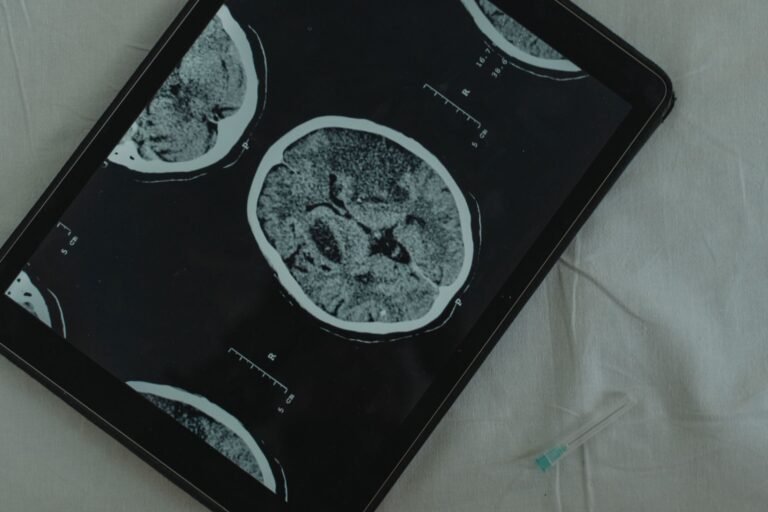
Yes, seizures can and do occur in Alzheimer’s disease. While most people associate Alzheimer’s with memory loss, the disease actively damages the brain’s electrical system in ways that trigger seizures. Studies show that seizures develop in 10-25% of Alzheimer’s patients during the course of their illness, making it one of the more common neurological complications that caregivers encounter. The seizure risk increases significantly in the later stages of disease, as neurodegeneration spreads through brain regions that control electrical activity. Consider the case of a 72-year-old man diagnosed with mild cognitive impairment who progressed to moderate Alzheimer’s over three years.
At year four, while sitting at the dinner table, his body suddenly went rigid, his eyes rolled upward, and he lost consciousness for about two minutes—a generalized tonic-clonic seizure. This wasn’t a separate condition layered on top of his Alzheimer’s; it was the disease itself advancing into his temporal lobe, disrupting normal brain signaling. His neurologist explained that the amyloid plaques and tau tangles destroying his brain tissue were now creating electrical instability in addition to cognitive decline. The relationship between Alzheimer’s and seizures is bidirectional. Not only does Alzheimer’s increase seizure risk, but seizures themselves can accelerate cognitive decline. This means seizure management becomes part of dementia care, not just an emergency response.
Table of Contents
- How Does Alzheimer’s Disease Lead to Seizures?
- What Types of Seizures Occur in Alzheimer’s Patients?
- When Do Seizures Typically Appear During Alzheimer’s Progression?
- Managing Seizures in Dementia Patients: Medication and Complications
- Seizures as a Sign of Accelerated Neurodegeneration
- The Link Between Seizures and Increased Mortality in Alzheimer’s Disease
- Other Neurological Events That Resemble Seizures in Dementia
- Frequently Asked Questions
How Does Alzheimer’s Disease Lead to Seizures?
Alzheimer’s disease damages the brain through two primary pathological hallmarks: amyloid-beta plaques that accumulate outside neurons and tau tangles that form inside them. As these toxic proteins spread, they destroy neurons and disrupt the delicate chemical balance that keeps electrical activity stable. When large populations of brain cells die or become dysfunctional, the remaining neurons can’t maintain normal inhibitory control—some fire too easily, others fire in disorganized bursts, and the entire network becomes prone to runaway electrical activity. This is the neurological foundation of a seizure. The temporal lobe, which Alzheimer’s often damages early and extensively, is particularly prone to generating seizures because of its deep structures like the hippocampus and amygdala.
A 68-year-old woman with moderate Alzheimer’s experienced a partial seizure affecting only her right arm and face—it lasted 30 seconds and was less dramatic than a full seizure, but it signaled that the temporal lobe damage was creating localized electrical hotspots. Her neurologist noted that partial seizures are actually more common in Alzheimer’s than generalized ones, which surprises many caregivers who expect only the most severe type. Beyond structural damage, Alzheimer’s also disrupts the neurotransmitters that normally keep electrical activity in check. GABA, an inhibitory neurotransmitter, becomes depleted in Alzheimer’s brains. Glutamate, the primary excitatory neurotransmitter, becomes dysregulated. This chemical imbalance makes neurons hyperexcitable—primed to fire inappropriately—even before plaques and tangles have destroyed large swaths of tissue.
What Types of Seizures Occur in Alzheimer’s Patients?
Alzheimer’s patients experience a range of seizure types, and not all of them look like the stereotypical full-body convulsion. Focal (or partial) seizures, which involve only one region of the brain, are actually more common in Alzheimer’s than generalized seizures. These might manifest as repetitive jerking of one arm, facial grimacing, lip smacking, or a period of staring and unresponsiveness lasting seconds to minutes. A 75-year-old man with advanced Alzheimer’s had episodes where he would suddenly stop mid-conversation, stare blankly ahead, and make chewing motions for about 30-60 seconds, then continue talking as if nothing happened—these were focal seizures affecting his temporal lobe, and his family initially mistook them for “daydreaming spells.” Generalized tonic-clonic seizures—the whole-body convulsions people typically picture—do occur in Alzheimer’s but account for only a portion of seizures. The tonic phase involves sudden rigidity and loss of consciousness, followed by the clonic phase of rhythmic jerking.
A fall is common, and the person may bite their tongue, lose bladder control, or injure themselves. Myoclonic seizures, characterized by sudden jerking movements without loss of consciousness, also appear in Alzheimer’s patients, particularly in advanced stages. The limitation for caregivers is that myoclonic jerks can look so subtle—just a quick twitch of a limb—that they’re often missed or dismissed as voluntary movement. This matters because untreated seizures, even seemingly minor ones, contribute to brain damage and cognitive decline. One neurologist treating advanced dementia patients reported that family members caught these subtle jerks on video only when specifically told what to watch for—timing the movements, noting when they occurred in clusters, and checking whether the person was responsive during the event.
When Do Seizures Typically Appear During Alzheimer’s Progression?
Seizures can emerge at any stage of Alzheimer’s disease, but they become significantly more common as the disease advances. In early-stage Alzheimer’s, when cognitive symptoms first appear, the risk of seizures is relatively low but not zero. By moderate-stage disease, when memory loss interferes with daily function and behavioral changes become pronounced, seizure risk climbs. In advanced Alzheimer’s, when the person requires full-time care and has lost most cognitive and functional abilities, seizure prevalence can reach 25-50%—roughly one in two to four patients. The timing matters for another reason: a person in early-stage Alzheimer’s may have fewer neurons to spare, so any seizure activity causes proportionally greater damage.
A 70-year-old diagnosed with mild cognitive impairment had his first seizure two years after diagnosis. His neurologist warned that this seizure signaled acceleration of the underlying pathology—the disease was progressing faster than expected. He was started on seizure medication immediately, not just for seizure control but to prevent the seizures themselves from triggering further neurodegeneration. Some patients have seizures before they receive an Alzheimer’s diagnosis, which can delay or confuse the diagnostic picture. An elderly woman presented to the emergency room with a seizure but was thought to have primary epilepsy until cognitive testing revealed she was already experiencing significant memory decline. Only then did imaging and biomarkers confirm Alzheimer’s as the underlying cause of both the seizures and the cognitive loss.
Managing Seizures in Dementia Patients: Medication and Complications
Antiepileptic drugs (AEDs) are the standard treatment for seizures in Alzheimer’s patients, but they introduce tradeoffs. Medications like levetiracetam, valproic acid, and lamotrigine can reduce seizure frequency and severity, which is critical for preventing injury and further brain damage. However, many AEDs have cognitive side effects—they can worsen memory, attention, and processing speed, which is particularly problematic in patients already suffering cognitive decline from dementia. An 81-year-old man with moderate Alzheimer’s was started on phenytoin after his first seizure. Within weeks, his family noticed he was even more confused and drowsy than before.
His neurologist switched him to levetiracetam, which has fewer cognitive effects, and the haziness lifted somewhat. This scenario plays out frequently: finding the right medication requires careful titration and frequent reassessment, and caregivers must distinguish between medication side effects and disease progression. The tradeoff is stark: leave seizures untreated, and the person faces injury, status epilepticus (prolonged or repeated seizures that can be life-threatening), and accelerated cognitive decline. Treat seizures aggressively with AEDs, and the person may become more confused or sedated. Most neurologists recommend starting seizure management early and at lower doses in dementia patients, then adjusting based on both seizure control and cognitive tolerance. Long-term antiepileptic therapy is often necessary—stopping medications prematurely frequently results in seizure recurrence.
Seizures as a Sign of Accelerated Neurodegeneration
One of the key warnings for caregivers is that seizures in Alzheimer’s disease often signal acceleration of the underlying neurodegeneration. When seizures appear, it’s not just a complication running parallel to the dementia—it’s frequently a marker that the disease is progressing faster than expected. A study of Alzheimer’s patients found that those who developed seizures had more rapid cognitive decline in the years following the first seizure compared to those without seizures. The limitation in predicting this is that not all rapid declines after seizures are caused by the seizures themselves; rather, both the seizures and the accelerated decline reflect more severe or aggressive pathology in the brain. A 79-year-old woman diagnosed with Alzheimer’s had stable cognitive decline for three years, then developed myoclonic jerks and within months had a marked drop in her ability to perform self-care tasks.
Her family wondered if the seizures had caused the sudden worsening, but neuroimaging showed extensive new tau pathology—the seizures and the cognitive collapse were both symptoms of the same accelerated disease process. Another warning involves subclinical seizures—electrical seizure activity in the brain that doesn’t produce obvious physical symptoms. New EEG monitoring technology has revealed that some Alzheimer’s patients have frequent electrical seizures that produce no visible seizure behavior. These may contribute to cognitive decline without the person or caregivers realizing seizures are occurring. This is one reason why EEG monitoring is sometimes recommended in advanced dementia, even when overt seizures haven’t been observed.
The Link Between Seizures and Increased Mortality in Alzheimer’s Disease
Seizures are associated with increased mortality risk in Alzheimer’s patients. The seizures themselves can cause injuries from falls, aspiration, or status epilepticus. Beyond the immediate dangers, seizures reflect more advanced neurodegeneration, and that advanced pathology drives survival time downward.
A 76-year-old man with advanced Alzheimer’s had his first seizure and his family was told to expect the disease to progress more rapidly—within 18 months he had declined significantly from that point. His neurologist explained that his remaining lifespan was measured in single-digit years rather than the multiple years his mild cognitive impairment diagnosis originally suggested. The increased mortality isn’t purely from the seizures as a physical threat; it reflects the reality that seizure-prone Alzheimer’s brains are more extensively damaged and closer to failure across multiple systems.
Other Neurological Events That Resemble Seizures in Dementia
Caregivers and even medical professionals sometimes confuse non-seizure events with true seizures in Alzheimer’s patients. Sundowning—increased agitation and confusion in late afternoon or evening—is not a seizure, though the behavioral changes can be dramatic. Delirium triggered by infection, medication, or metabolic imbalance can produce confusion, hallucinations, and behavioral changes that mimic seizure-related altered consciousness, but EEG monitoring will show normal brain electrical activity during delirium. Sleep disturbances are extremely common in Alzheimer’s and can produce jerking movements during REM sleep or arousal—these are not seizures.
A 73-year-old man’s family reported “episodes” of sudden jerking and thrashing at night; his neurologist recorded an overnight EEG and found normal sleep architecture with normal arousal movements, not seizure activity. The man was treated for sleep disturbance rather than seizures. True seizures require abnormal electrical brain activity on EEG, which distinguishes them from behavioral or sleep-related events. This distinction is critical because treating non-seizure events with antiepileptic drugs provides no benefit and introduces unnecessary medication side effects.
- —
Frequently Asked Questions
How do I know if someone with Alzheimer’s is having a seizure and not just a behavioral episode?
True seizures involve abnormal electrical brain activity visible on EEG. During a seizure, the person may lose consciousness, have rhythmic jerking, stare blankly unresponsively for 30 seconds or more, or display involuntary movements. Behavioral episodes like sundowning don’t include these electrical abnormalities. If a seizure is suspected, EEG monitoring can confirm it.
Can seizure medications make Alzheimer’s worse?
Many antiepileptic drugs have cognitive side effects, but untreated seizures also damage the brain and accelerate cognitive decline. The goal is to find the lowest effective dose of medication that controls seizures while minimizing cognitive impact. This often requires careful adjustment and close monitoring.
Are seizures in Alzheimer’s disease preventable?
There is no way to prevent Alzheimer’s-related seizures, but early recognition and treatment with antiepileptic medications can reduce their frequency and severity once they begin.
What should I do if someone with Alzheimer’s has a seizure?
Keep the person safe by moving them away from hazards, cushioning their head, and turning them on their side. Do not put anything in their mouth. Call 911 if the seizure lasts more than 5 minutes or if multiple seizures occur in a row. Even brief seizures should be reported to the person’s neurologist so treatment can be initiated if needed.
Do seizures in early-stage Alzheimer’s mean the disease will progress faster?
Seizures at any stage of Alzheimer’s often reflect more active neurodegeneration, and patients with seizures frequently show faster cognitive decline than those without. The appearance of seizures is often a sign that the disease is advancing more aggressively.
Can someone with Alzheimer’s die from a seizure?
Yes, though it’s uncommon. Status epilepticus—prolonged or repeated seizures—can be life-threatening. Severe seizure-related injuries from falls can also be fatal. This is another reason why early recognition and treatment of seizures is important. —