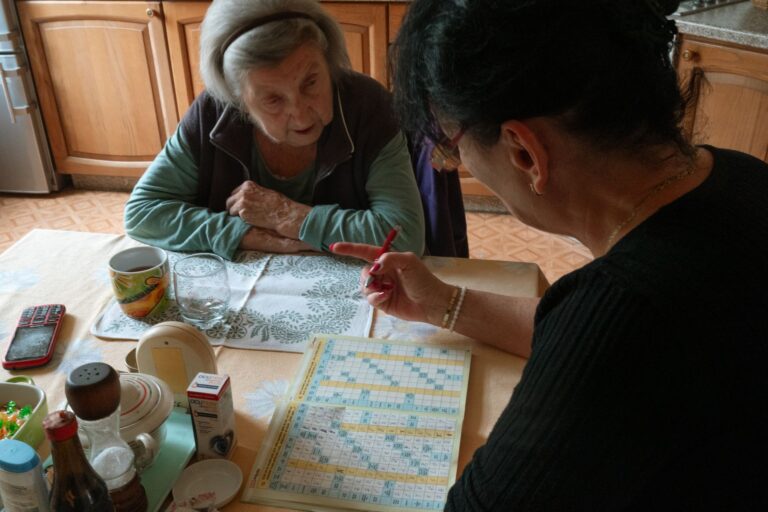
Yes, stroke symptoms can be dangerously easy to miss or dismiss in people with dementia. When an older adult with dementia suddenly becomes confused, unresponsive, or displays unusual behavior, caregivers and even medical professionals may attribute these changes to the dementia itself rather than recognize them as signs of acute stroke. A 78-year-old woman with moderate Alzheimer’s disease stopped speaking mid-sentence at breakfast, but the nursing home staff noted her chart and assumed she was having “one of her bad days.” By the time her family arrived and insisted on hospitalization, five hours had passed—well beyond the critical window for stroke-reversing treatments. The convergence of cognitive decline and acute neurological crisis creates a diagnostic blind spot that costs precious time.
The challenge extends beyond simple oversight. Dementia fundamentally changes how stroke warning signs present themselves. A person without dementia who experiences facial drooping will likely notice it and report it; a person with advanced dementia may not comprehend the symptom or communicate it at all. Behavioral changes—aggression, refusal to eat, increased agitation—might be the only outward sign of an internal stroke, yet these are also common fluctuations in dementia progression. This overlap creates genuine clinical ambiguity that makes rapid stroke identification significantly harder.
Table of Contents
- Why Stroke Recognition Fails in Dementia Patients
- Atypical and Subtle Stroke Presentations in Dementia
- Communication Barriers and Behavioral Red Flags
- Recognition Strategies for Families and Caregivers
- Vulnerability and Hidden Risk Factors
- The Role of Repeated Strokes and Cumulative Damage
- Documentation and Medical Team Communication
- Frequently Asked Questions
Why Stroke Recognition Fails in Dementia Patients
The brain changes associated with dementia—the same cognitive and language deficits that define the disease—directly interfere with stroke detection. Dementia affects the very abilities needed to recognize and communicate a health crisis: awareness, memory, language, and reasoning. A person with moderate-to-advanced dementia cannot reliably tell you that their arm feels weak or their face feels numb. They may not notice a sudden vision change or understand that something is wrong.
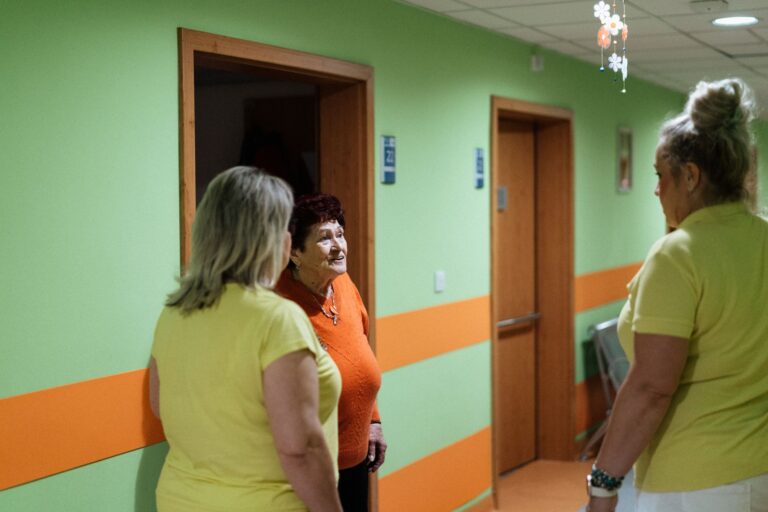
Compounding this, caregivers and facility staff become accustomed to baseline behavioral oddities. A person with dementia might be nonverbal on Tuesday and speak in fragments on Wednesday; they might refuse breakfast or become angry without apparent cause. These fluctuations are the daily reality of dementia care, so when a genuine stroke causes similar symptoms—acute confusion, refusal to cooperate, sudden silence—the change can look like a natural progression rather than a medical emergency. One memory-care unit in Pennsylvania reported that a resident’s sudden inability to swallow was documented as “behavioral resistance to food” for 12 hours before a physician recognized it as a post-stroke symptom.
Atypical and Subtle Stroke Presentations in Dementia
Strokes in people with dementia often present atypically, lacking the classic sudden weakness or speech loss that emergency medicine teaches. Instead, a person might display marked lethargy, lose interest in activities they previously enjoyed, or become unusually aggressive. These symptoms mimic both dementia progression and common behavioral complications, making them easy to rationalize away. A person with vascular dementia—dementia caused by previous small strokes—may be particularly at risk because subtle strokes can accumulate without obvious acute symptoms, each one subtly worsening cognition or mood in ways that look like normal disease advancement.
Silent strokes pose an especially serious limitation. Many people with dementia experience small strokes that cause no dramatic symptoms yet silently damage brain tissue. Without clear acute signs, these go undetected until imaging reveals them months or years later, by which time the damage is permanent. Additionally, people with dementia often have multiple concurrent medical conditions—heart disease, diabetes, previous strokes—that increase stroke risk but may also mean their baseline state is already fragile and confused. A new stroke might only slightly worsen an already compromised neurological picture, making it nearly invisible against the existing decline.
Communication Barriers and Behavioral Red Flags
Non-verbal or minimally verbal people with dementia face the starkest diagnostic disadvantage. These individuals cannot point to where they hurt, confirm they see double, or describe numbness. Instead, caregivers must interpret behavior—a sudden refusal to stand might indicate leg weakness from stroke, or it might indicate pain, fear, or simple resistance. One family reported that their grandfather, who had spoken only in single words for two years, became even more withdrawn after a small stroke; the staff assumed his condition had worsened as part of his disease, not realizing an acute event had occurred.
Behavioral changes can be the only window into what is happening neurologically. A previously calm person becoming agitated, or an agitated person becoming withdrawn, may signal anything from infection to depression to stroke. The interpretation depends entirely on whether caregivers suspect acute illness at all. This is why facility training matters enormously. A staff member who knows that sudden behavioral shift in a dementia patient warrants stroke evaluation will call for imaging; one who assumes all change is dementia-related will document it and move on.
Recognition Strategies for Families and Caregivers
Caregivers must maintain a detailed baseline of each person’s typical behaviors, abilities, and communication style. This baseline becomes the reference point for identifying genuine change. When a usually cooperative resident refuses therapy, or a usually verbal person speaks less, the question should not be “is this normal dementia?” but “is this new compared to yesterday?” Tools like the NIHSS (National Institutes of Health Stroke Scale) can guide observation, but the core task is simpler: knowing what normal looks like for that individual so abnormal stands out. One practical approach used in progressive care facilities is the “stroke alert mindset”—treating any unexplained acute change in a dementia patient as potentially stroke-related until proven otherwise.
This contrasts with the default assumption that change equals disease progression. A facility that adopts this mindset will order imaging more readily, even when symptoms seem vague or behavioral. The trade-off is more false alarms and unnecessary imaging, yet compared to missing strokes and losing the treatment window, these false positives are acceptable. A 200-bed memory care community that shifted to this approach saw a 30% increase in stroke diagnoses within a year—most through imaging that would have been skipped under the previous “assume it’s dementia” standard.
Vulnerability and Hidden Risk Factors
People with dementia have higher stroke risk than the general population. Vascular dementia itself is caused by stroke. Alzheimer’s disease often coexists with vascular changes. Advanced age, hypertension, diabetes, and cardiac disease cluster together in people with dementia, all compounding stroke risk. Yet this high-risk population is also the most difficult in which to detect strokes, creating a dangerous mismatch.
A warning sign is only useful if it prompts action; in dementia populations, familiar symptoms may instead prompt dismissal. Non-verbal people with dementia represent a particular blind spot. Studies suggest that people who cannot communicate verbally experience longer delays to stroke diagnosis and treatment than those who can speak. If a person cannot say “my face is drooping,” the only detection method is direct observation—and observation must be constant and informed. A person sleeping or sitting quietly will not trigger alarm; a person must be watched closely enough that subtle changes are noticed. This requirement for intensive observation is a limitation of many care settings, where staff-to-resident ratios make continuous monitoring impractical.
The Role of Repeated Strokes and Cumulative Damage
Dementia patients who have already experienced one stroke face compounded risk. Each subsequent stroke adds layers of neurological damage, yet each one becomes harder to isolate and identify because the baseline has shifted. A person who had a stroke before developing dementia may not remember or communicate previous stroke symptoms, complicating the clinical picture. A facility caring for someone with this history must be especially vigilant, knowing that the patient is statistically more likely to have another stroke and that the patient cannot self-report it.
The window for stroke treatment is measured in hours. Clot-busting drugs are most effective within 4.5 hours of symptom onset; mechanical thrombectomy can work up to 24 hours after some strokes. Every hour of delayed diagnosis shrinks the options for intervention. In dementia populations, diagnosis delays of 6-12 hours are common, sometimes because the stroke symptoms are subtle and sometimes because they are initially attributed to behavioral issues. A woman admitted to a memory care facility for respite care had a stroke during the night; it was not recognized until morning rounds, by which time the treatment window had closed.
Documentation and Medical Team Communication
Clear documentation of baseline status is a practical defense against missed strokes. When a person is admitted to a facility or sees a new provider, comprehensive notes about their typical cognition, mobility, communication ability, appetite, and behavior create a reference point. A note that reads “patient is usually verbal in 2-3 word phrases” makes a sudden shift to complete silence clinically significant.
Without that baseline, a new provider has no way to know whether silence is new or longstanding. Medical professionals—doctors, nurses, emergency responders—who interact with dementia patients must actively consider stroke as a differential diagnosis in acute changes. A person with dementia who suddenly cannot swallow, stops moving one side of their body, or becomes acutely more confused warrants imaging and stroke team evaluation, not reassurance that “it’s probably just their dementia.” One hospital system that trained its emergency department on dementia and stroke overlap began asking “is this a new change, or is this baseline?” for every cognitive complaint from a dementia patient; this simple question shift led to earlier stroke identification and treatment in 15 patients over an 18-month period.
Frequently Asked Questions
What are the most common stroke symptoms missed in dementia patients?
Sudden behavioral changes, refusal to eat or participate in activities, acute withdrawal or increased agitation, and changes in speech or swallowing are frequently attributed to dementia progression rather than recognized as stroke warning signs. Non-verbal patients have the highest risk of missed diagnosis because they cannot report classic symptoms like numbness or vision changes.
How much time is lost when stroke is not immediately recognized in a dementia patient?
Diagnosis delays of 6-12 hours are common in dementia populations. Since clot-busting medications work best within 4.5 hours of symptom onset, these delays often mean the patient misses the window for reversible treatment.
Should caregivers assume every behavioral change in a dementia patient is stroke-related?
No, but caregivers should maintain awareness of baseline behavior so genuine acute changes stand out. The key question is not “is this dementia?” but “is this new compared to yesterday?” Any unexplained acute change warrants medical evaluation.
What should families do if they suspect a stroke in a dementia relative?
Seek immediate medical evaluation and imaging, just as you would for anyone else. Inform the medical team of baseline abilities and behaviors so they can identify changes. Do not assume that acute confusion or behavioral shifts are “just the dementia.”
Can previous strokes increase the risk of future strokes in dementia patients?
Yes. People with vascular dementia or those who have had prior strokes face significantly higher risk of subsequent strokes, yet each new stroke becomes harder to identify because it occurs atop existing cognitive decline.
Does facility training reduce missed strokes in dementia patients?
Yes. Facilities that train staff on stroke recognition and emphasize acute-change assessment over dementia-assumption baseline report higher stroke detection rates and shorter times to diagnosis.