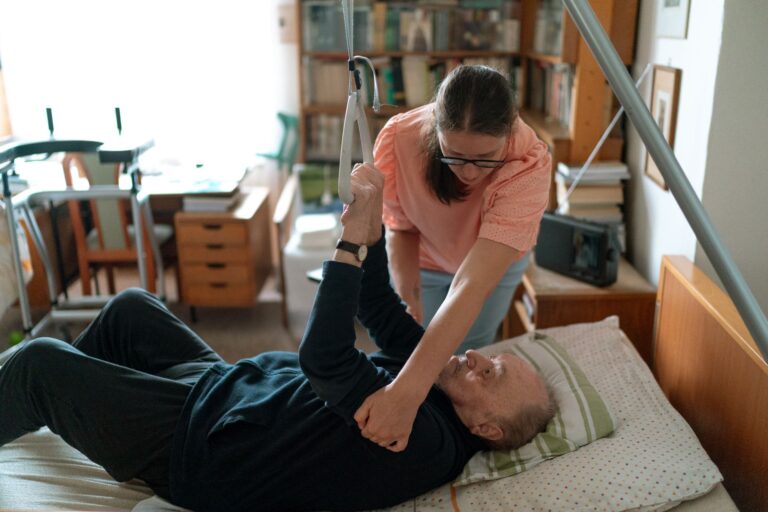
Rotating decor sits at the center of this dementia and brain health question.
Rotating decor items seasonally can indeed help dementia patients feel more engaged by providing gentle stimulation and a sense of connection to familiar cycles. Changing decorations thoughtfully—such as introducing seasonal colors, themes, or objects—can spark curiosity and evoke memories without overwhelming the individual.
People with dementia often respond well to environments that balance routine with subtle variety. Seasonal decor offers a way to refresh their surroundings in a predictable pattern, which supports stability while also offering new sensory experiences. For example, autumn-themed decorations might include warm colors and natural elements like leaves or pumpkins, which can trigger positive associations and conversations about past seasons or traditions.
However, it’s important that these changes are introduced carefully. Sudden or drastic shifts in the environment may cause confusion or distress for some individuals. Maintaining core routines alongside gradual decor updates helps prevent disorientation while still providing meaningful engagement.
In memory care settings, staff training emphasizes awareness of how environmental factors—including lighting and decoration—affect residents’ behavior and mood throughout the year. Thoughtful seasonal adjustments can reduce feelings of isolation by connecting residents to broader cultural rhythms like holidays or nature’s cycles.
Beyond just visual appeal, incorporating sensory elements related to seasons (such as scents from aromatic plants in a garden setting) further enriches engagement for people living with dementia. These sensory cues support reminiscence therapy by triggering memories linked to smells, sights, and textures associated with different times of year.
Overall, rotating seasonal decor is one practical tool among many that caregivers use to create an inviting atmosphere where people with dementia feel comforted yet mentally stimulated through familiar but fresh experiences tailored to their needs.
For more, see CDC — Alzheimer’s and Dementia.
Why Rotating decor Matters for Families
Understanding rotating decor helps families ask sharper questions at the next memory clinic visit and make calmer decisions at home. Dementia care decisions often hinge on small details that doctors do not have time to explain in a 15-minute appointment. This section adds the practical context most families never hear.
Most rotating decor questions come up after a worrying moment at home: a missed bill, a wrong turn on a familiar drive, a name that does not come back, or a doctor’s report that uses words no one explained. None of those moments alone diagnoses dementia, but together they often signal that a real conversation is overdue.
What Doctors Wish Families Knew About Rotating decor
Memory specialists routinely report that families come in late. Average time from first family-noticed change to diagnosis is roughly 3 years in the United States. That delay matters because today’s most effective steps — vascular risk control, sleep apnea treatment, depression treatment, medication review, and exercise — work best when started early.
Doctors also wish families knew that no single test diagnoses dementia. The diagnosis is built from cognitive testing, history, labs, imaging, and observation over time. A score on a test is one data point, not a verdict.
Common Questions Families Ask About Rotating decor
When should we see a specialist about rotating decor?
When concerns about memory, judgment, language, or behavior have lasted more than a few months and are affecting daily life. Primary care is the right first stop. They will rule out reversible causes and refer to a neurologist or memory clinic if needed.
What should we bring to the first appointment?
A written timeline of symptoms, a complete medication list (including over-the-counter and supplements), a list of medical conditions, and a family member who has observed the changes.
What can we do at home today?
Manage blood pressure, treat sleep apnea, exercise most days, eat a Mediterranean-style diet, stay socially engaged, address hearing loss, and review medications with a pharmacist for cognitively risky drugs.
When to Call the Doctor
Sudden cognitive change, falls, new confusion, fever with confusion, sudden weakness or speech change, or rapid worsening of dementia symptoms over days warrant immediate medical attention. Slow gradual change can be discussed at the next scheduled visit.
For more authoritative guidance on rotating decor and related dementia topics, the National Institute on Aging and the Alzheimer’s Association are reliable starting points.