Reviewed by the Help Dementia Editorial Team — our editors review every article for accuracy against guidance from the National Institute on Aging, the Alzheimer’s Association, and peer-reviewed sources.
Current research suggests that probiotics may support cognitive function through the gut-brain axis, but the evidence remains preliminary and far from conclusive. While some studies show promising connections between specific bacterial strains and improved memory, focus, and mood, most of these findings come from animal research or small human trials. For someone concerned about dementia or cognitive decline, probiotics might offer a modest, low-risk addition to brain health habits, but they should never replace established interventions like exercise, cognitive training, or proper sleep.
The gut-brain connection is real and increasingly well-documented. Your intestinal microbiome—the trillions of bacteria living in your digestive system—produces neurotransmitters, influences inflammation, and communicates with your brain through multiple pathways. A person managing early memory loss might take probiotics alongside their doctor’s recommendations, hoping to support this connection, but the realistic picture is that we’re still in early stages of understanding which strains help which people, and how much they actually matter compared to other lifestyle factors.
Table of Contents
- What Is the Gut-Brain Axis and How Might Probiotics Fit In?
- What Does the Current Research Show—and What Are Its Limits?
- Probiotics, Inflammation, and Cognitive Aging
- Comparing Probiotics to Other Proven Brain-Health Interventions
- Side Effects, Drug Interactions, and Who Should Be Cautious
- Specific Probiotic Strains Studied for Brain Health
- The Future of Probiotics and Cognitive Health—What’s on the Horizon
- Conclusion
- Frequently Asked Questions
What Is the Gut-Brain Axis and How Might Probiotics Fit In?
The gut-brain axis is a bidirectional communication network between your digestive system and central nervous system. Your microbiome produces or influences the production of critical neurotransmitters—serotonin, dopamine, GABA—and these molecules affect mood, cognition, and emotional regulation. An imbalance in bacteria (dysbiosis) has been linked to depression, anxiety, and potentially cognitive decline, which is why researchers are exploring whether restoring microbial balance through probiotics could help.
However, the leap from “dysbiosis correlates with cognitive problems” to “taking probiotics will improve your memory” is significant. Most evidence comes from animal models, where researchers can carefully control diet, stress, and genetics—conditions rarely met in real human lives. A few human studies have found that certain probiotic strains (particularly Lactobacillus and Bifidobacterium species) modestly improved attention, processing speed, or anxiety in small groups, but these studies often lasted only weeks or months. For someone with established cognitive decline, expecting probiotics alone to reverse years of neurodegeneration would be unrealistic.
What Does the Current Research Show—and What Are Its Limits?
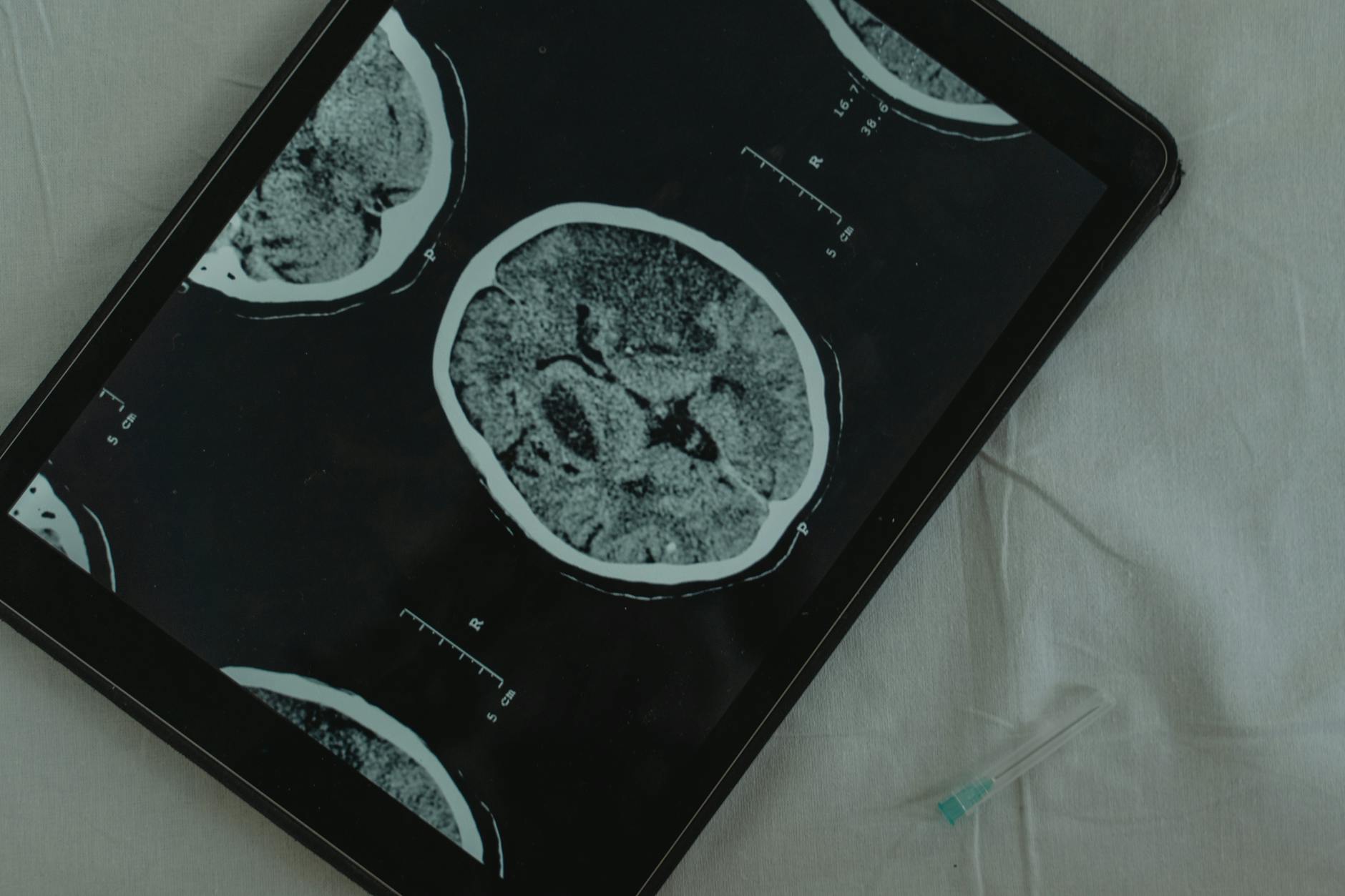
The clearest research link involves probiotics and the inflammatory state of the gut and brain. Dysbiosis can increase intestinal permeability (sometimes called “leaky gut”), allowing bacterial fragments and toxins to cross the blood-brain barrier and trigger neuroinflammation. Probiotics may help restore the intestinal barrier, reducing this inflammatory signal—a plausible mechanism for cognitive benefit. But plausibility is not proof. Meta-analyses of human probiotic studies show inconsistent results, with many trials suffering from small sample sizes, short duration, varying probiotic formulas, and high rates of dropout.
A major limitation is that “probiotics” is not one intervention. Lactobacillus rhamnosus, Bifidobacterium longum, and Lactobacillus plantarum might have entirely different effects. Dosage, formulation, duration, and individual microbiome composition all matter. A probiotic that benefits someone with a diverse, stable microbiome might do nothing for someone on antibiotics or with severely dysbiotic gut flora. Additionally, published studies tend to be funded by probiotic manufacturers, creating a publication bias toward positive findings. Negative or neutral results often go unpublished, skewing the overall perception of benefit.
Probiotics, Inflammation, and Cognitive Aging
Chronic low-grade inflammation is a hallmark of aging and is implicated in cognitive decline and Alzheimer’s disease. Probiotics may reduce systemic inflammation by strengthening the gut barrier and decreasing circulating lipopolysaccharides (LPS), which are inflammatory molecules released from gram-negative bacteria. Some studies have shown that probiotic supplementation reduces markers like C-reactive protein and TNF-alpha in people with metabolic issues or depression—suggesting a genuine anti-inflammatory effect in certain populations.
But here’s the real-world problem: even if probiotics modestly reduce inflammation, does that translate to noticeable cognitive improvement? The clinical studies that measured both inflammation and cognition found only weak correlations. Someone might feel slightly better emotionally or experience less bloating without seeing any change in memory or processing speed. This is why probiotics should be viewed as one small piece of a much larger brain-health puzzle that includes cardiovascular fitness, cognitive engagement, quality sleep, social connection, and management of conditions like hypertension and diabetes.
Comparing Probiotics to Other Proven Brain-Health Interventions
Aerobic exercise is one of the most robust interventions for preserving cognition in aging, backed by hundreds of studies showing that regular walking, cycling, or swimming can increase hippocampal volume and slow cognitive decline. A single probiotic trial, by contrast, might show a 5-point improvement on a cognitive test in 60 people over 8 weeks—hardly comparable to the effect size of a consistent exercise program. Cognitive training (puzzles, learning new skills) and Mediterranean-style diets also have strong evidence.
Probiotics have neither the depth nor breadth of supporting research. The tradeoff is simple: time and money spent on probiotics that might deliver marginal, uncertain benefits could instead go toward interventions with proven track records. This doesn’t mean avoid probiotics entirely—they’re generally safe and inexpensive—but they should be supplementary, not a substitute. For someone with limited resources or motivation, investing in a walking routine, sleeping better, and managing stress will almost certainly yield more cognitive benefit than a probiotic supplement.
Side Effects, Drug Interactions, and Who Should Be Cautious
Probiotics are generally well-tolerated, but they’re not risk-free for everyone. People with severe immunosuppression, central lines or other invasive medical devices, or critical illness have documented cases of probiotic-associated infections (though these are rare). Older adults with certain conditions, particularly those on immunosuppressant medications or with leaky intestinal barriers, should check with their doctor before starting probiotics. Some formulations contain allergens or ingredients that trigger sensitivities.
A practical warning: the probiotic industry is largely unregulated. Products often don’t contain the strains or quantities claimed on the label, and many lack evidence that their specific strains benefit cognition. If you or a family member decides to try probiotics, look for third-party testing (USP, NSF, ConsumerLab) to verify contents. Don’t assume that more strains or a higher bacterial count means better results—more research actually suggests that fewer, well-studied strains might be preferable. And monitor for any gut upset, headache, or mood changes in the first two weeks, as some people experience temporary “die-off” symptoms.

Specific Probiotic Strains Studied for Brain Health
Lactobacillus helveticus and Bifidobacterium longum have the most research supporting cognitive or mood effects in humans, though the studies are still modest in scale. One small trial found that people who consumed a fermented milk product containing these strains for 30 days reported lower stress and anxiety. Lactobacillus plantarum has shown promise for reducing anxiety in some studies, while Bifidobacterium breve might support immune function in ways that could indirectly help cognition.
The problem is reproducibility. A study showing that Lactobacillus rhamnosus improved attention in 50 university students says nothing about whether it would help a 75-year-old with mild cognitive impairment. Probiotic effects may be highly individual, dependent on your existing microbiome, diet, genetics, and health status. If you’re interested in trying a specific strain, choose one backed by at least one human trial (not just animal research) and be prepared that it may not work for you personally.
The Future of Probiotics and Cognitive Health—What’s on the Horizon
The field is moving toward precision probiotics and microbiome-targeted therapies. Researchers are identifying which individuals are most likely to benefit from which strains, using genetic and microbiome profiling. Future interventions might involve personalized bacterial cocktails designed to address your specific dysbiosis pattern, rather than one-size-fits-all products. Some labs are also exploring psychobiotics—probiotics specifically selected to influence mood and cognition—though this remains experimental.
Postbiotics (beneficial metabolites produced by bacteria) and synbiotics (prebiotics plus probiotics) are also being studied. These approaches might prove more effective than probiotics alone, but we’re still in early stages. For someone concerned about cognitive health today, the honest message is: don’t wait for the next breakthrough. Focus on the interventions that are proven and available now—movement, mental engagement, quality relationships, and sleep—while keeping an eye on probiotic research as it evolves.
Conclusion
Probiotics show biological plausibility for supporting brain health through the gut-brain axis, and some early research suggests modest benefits for mood and possibly cognition. However, the evidence in humans remains preliminary, fragmented, and often small-scale. For dementia prevention or management of cognitive decline, probiotics should be considered a complementary strategy at best, not a primary intervention.
If you’re interested in trying probiotics, do so as part of a comprehensive approach: maintain regular physical activity, engage your mind, prioritize sleep, manage stress, and eat a diet rich in vegetables and whole grains. Work with your doctor to ensure the product you choose is third-party tested and appropriate for your health status. Most importantly, don’t let hope for a supplement delay addressing the major, proven levers of brain health that are entirely within your control.
Frequently Asked Questions
Which probiotic strains are best for cognitive health?
Lactobacillus helveticus, Bifidobacterium longum, and Lactobacillus plantarum have the most published studies, but evidence is preliminary. Look for products labeled with third-party testing (USP or NSF verified) and specific strain names, not just “probiotic blend.”
How long does it take to notice a difference from probiotics?
Most human studies lasted 4-12 weeks. Some people report mood or digestive changes within 2-3 weeks, but cognitive benefits (if any) would take longer to measure and may not be noticeable subjectively. Expect at least 8-12 weeks before assessing whether a specific product is helping you.
Can I get probiotics from fermented foods instead of supplements?
Fermented foods like yogurt, kefir, sauerkraut, and kimchi contain beneficial bacteria and may be preferable to supplements because they provide fiber and other nutrients. However, the bacterial strains and counts are unpredictable. If you want a specific strain studied for cognitive effects, a tested supplement is more reliable, though both approaches may have value.
Are probiotics safe for older adults with dementia?
Generally yes, but check with the doctor managing dementia care, especially if the person is on antibiotics, immunosuppressants, or has feeding tubes or other medical devices. Probiotics are not a substitute for medical treatment or cognitive support.
Will probiotics prevent Alzheimer’s disease?
No evidence supports this claim. Probiotics might modestly support overall brain health as part of a lifestyle approach, but prevention of Alzheimer’s requires management of cardiovascular risk factors, cognitive engagement, exercise, and social connection. Don’t let marketing claims suggest otherwise.
What if probiotics make my gut worse?
Some people experience bloating, gas, or digestive upset for the first 1-2 weeks. This often resolves as your microbiome adjusts. If symptoms persist or worsen, stop the probiotic and discuss with your doctor. A small percentage of people simply don’t tolerate them, and that’s fine—they’re not necessary.