Reviewed by the Help Dementia Editorial Team — our editors review every article for accuracy against guidance from the National Institute on Aging, the Alzheimer’s Association, and peer-reviewed sources.
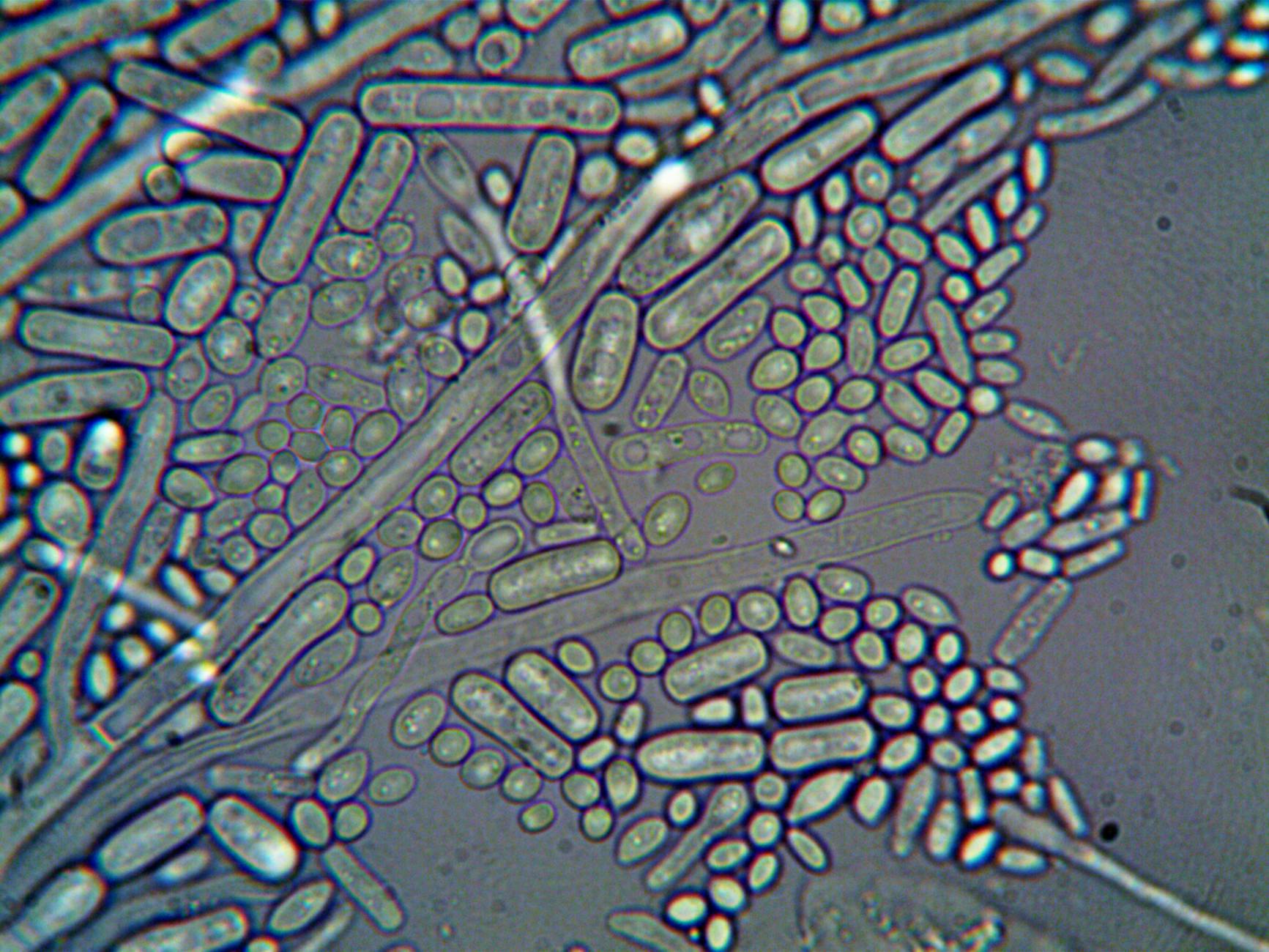
Yes, emerging scientific evidence suggests that microbiome changes—alterations in the bacteria, fungi, and other microorganisms living in your gut—may influence Alzheimer’s disease development and progression. Researchers have discovered that people with Alzheimer’s often have significantly different gut bacterial communities compared to cognitively healthy individuals, with several studies pointing to specific microbial shifts that correlate with cognitive decline. For example, Alzheimer’s patients tend to have lower diversity in their microbiota and reduced levels of beneficial bacteria like Faecalibacterium prausnitzii, while simultaneously showing increased populations of potentially harmful bacteria.
This isn’t just a coincidence; the mechanisms appear to involve how your gut bacteria communicate with your brain through multiple pathways, influencing inflammation, immune function, and the accumulation of toxic proteins associated with Alzheimer’s. The connection between gut health and brain health is now recognized as one of the most promising research frontiers in dementia prevention and management. Scientists call this relationship the “gut-brain axis,” a bidirectional communication network that links your digestive system directly to your central nervous system. While the science is still developing and we don’t yet have definitive proof that microbiome changes cause Alzheimer’s, the evidence is compelling enough that neurologists and gerontologists are increasingly recommending microbiome-supportive interventions as part of a comprehensive approach to brain health.
Table of Contents
- How Does Your Gut Microbiome Connect to Your Brain?
- The Specific Bacterial Changes Found in Alzheimer’s Patients
- Neuroinflammation, Amyloid-Beta, and the Microbial Connection
- Dietary Approaches to Support a Healthier Microbiome
- Medications, Antibiotics, and Microbiome Disruption
- Sleep, Stress, and the Microbiota-Brain Axis
- Future Directions—Personalized Microbiota Interventions and Biomarkers
- Conclusion
- Frequently Asked Questions
How Does Your Gut Microbiome Connect to Your Brain?
Your gut microbiome communicates with your brain through several distinct biological pathways. The primary route is the vagus nerve, a long cranial nerve that runs from your brainstem all the way to your gut, transmitting signals in both directions. Your gut bacteria produce neurotransmitters and other signaling molecules—including short-chain fatty acids (SCFAs) like butyrate—that can cross into your bloodstream and reach your brain, where they influence neuroinflammation and neurodegeneration. In a healthy system, beneficial bacteria produce these protective compounds, which help maintain the integrity of your blood-brain barrier (the specialized lining that protects your brain from harmful substances). When dysbiosis occurs—meaning your microbial community becomes imbalanced—this protective production drops significantly.
A 2022 study comparing Alzheimer’s patients to healthy controls found that Alzheimer’s patients had dramatically reduced butyrate-producing bacteria, which correlated with increased inflammatory markers in both their blood and cerebrospinal fluid. The immune system also serves as a crucial intermediary in the gut-brain connection. Your gut lining is home to 70% of your body’s immune cells, and your microbiota directly trains these immune cells to distinguish between helpful and harmful substances. When dysbiosis occurs, the gut barrier can become “leaky,” allowing bacterial fragments and toxins to enter your bloodstream—a condition called increased intestinal permeability. This triggers systemic inflammation, and mounting evidence suggests that chronic low-grade inflammation is a driving factor in Alzheimer’s pathology. Additionally, certain pathogenic bacteria appear capable of producing or enhancing the formation of amyloid-beta, a protein central to Alzheimer’s disease pathology, suggesting that some microbes might directly contribute to the hallmark brain changes seen in the disease.

The Specific Bacterial Changes Found in Alzheimer’s Patients
Research using advanced DNA sequencing technologies has identified specific patterns of microbial dysbiosis in Alzheimer’s disease patients. One consistent finding is a reduction in bacterial diversity—the total number of different species present in the gut—which is considered a marker of poor gut health. Healthy individuals typically harbor hundreds of different bacterial species, while Alzheimer’s patients often show markedly reduced diversity and distinct shifts in bacterial composition. Studies have found lower levels of protective bacteria like Faecalibacterium prausnitzii, Roseburia faecis, and various Akkermansia species, while simultaneously documenting increased populations of potentially harmful organisms including increased Proteobacteria and reduced Bacteroidetes ratios. This shift matters because the bacteria that decline in Alzheimer’s are precisely those that produce the short-chain fatty acids your brain needs to maintain health and protect against neuroinflammation.
One important limitation to acknowledge: while these associations are robust and consistent across multiple studies, the research remains largely correlational. We see that Alzheimer’s patients have certain microbiome patterns, but we cannot yet definitively say whether these patterns cause the disease, result from the disease process, or reflect shared lifestyle factors that contribute to both dysbiosis and neurodegeneration. For instance, people developing cognitive decline may eat differently, move less, take different medications, or have other health changes that simultaneously alter their microbiota. Additionally, the specific bacterial signatures vary somewhat between studies, suggesting that the relationship may be more complex than any single bacteria causing Alzheimer’s. This complexity is important for managing expectations about microbiome interventions—changing your microbiota may help reduce risk or slow progression, but it’s likely one piece of a multi-factorial disease rather than a single silver bullet.
Neuroinflammation, Amyloid-Beta, and the Microbial Connection
Neuroinflammation—chronic inflammation specifically within the brain tissue—is increasingly recognized as a central mechanism in Alzheimer’s disease. Your gut microbiota directly influences the level of neuroinflammation through multiple mechanisms. Dysbiotic microbiota produce less of the protective metabolites that normally suppress neuroinflammatory signals, while simultaneously producing more bacterial lipopolysaccharides (LPS), endotoxin-like compounds that trigger inflammatory immune responses when they enter the bloodstream. This creates a state of chronic systemic inflammation that can cross the blood-brain barrier and activate microglia, the brain’s resident immune cells, driving the neurotoxic inflammation characteristic of Alzheimer’s disease.
In animal models, germ-free mice (mice raised without any microbiota) show reduced amyloid-beta accumulation compared to normally colonized mice, suggesting that the microbiota itself influences amyloid pathology. Even more striking, some researchers have found that certain bacteria can promote amyloid-beta aggregation or produce amyloid-like structures themselves. For example, some Proteobacteria species have been shown to produce amyloid proteins that cross-react with human amyloid-beta, potentially worsening the pathological protein accumulation seen in Alzheimer’s. This doesn’t mean these bacteria directly cause Alzheimer’s, but it does suggest they can contribute to an environment that favors pathological protein accumulation and aggregation. Conversely, restoring beneficial bacteria that produce SCFAs like butyrate has been shown in animal studies to improve cognitive function, reduce amyloid-beta burden, and decrease neuroinflammatory markers, pointing to genuine therapeutic potential.
Dietary Approaches to Support a Healthier Microbiome
Since your microbiota composition is heavily influenced by your diet, modifying what you eat represents one of the most practical and evidence-supported ways to cultivate microbiota changes associated with better brain health. Diets high in fiber, particularly soluble fiber from sources like oats, beans, berries, and vegetables, feed beneficial bacteria and promote the production of short-chain fatty acids. Research consistently shows that Alzheimer’s patients consume less fiber than cognitively healthy controls, and dietary fiber interventions have been shown to increase butyrate-producing bacteria and improve cognitive markers in some studies. The Mediterranean diet, which emphasizes whole grains, legumes, vegetables, olive oil, and fish while limiting processed foods, has strong evidence for slowing cognitive decline and is specifically recommended by major neurological organizations for dementia prevention. When you follow this pattern, you’re not just getting healthier nutrients—you’re feeding your microbiota in a way that promotes the bacterial communities associated with better brain health.
The comparison between different dietary approaches reveals important tradeoffs. While high-fiber diets clearly benefit most microbiota, some individuals with sensitive digestive systems report bloating or discomfort when rapidly increasing fiber intake. This isn’t a reason to avoid dietary improvement, but rather a practical consideration that suggests gradually increasing fiber intake, staying well-hydrated, and listening to your body’s signals. Additionally, while fermented foods like yogurt, kefir, and sauerkraut are often promoted as microbiota-supportive, the specific strains matter tremendously, and not all fermented foods contain live organisms. The evidence for probiotic supplements in supporting cognitive health remains mixed—while some specific strains show promise, many commercial probiotics contain organisms that don’t actually colonize the human gut or may not survive stomach acid, making whole food sources of beneficial bacteria and prebiotic fibers generally more reliable than supplements alone.
Medications, Antibiotics, and Microbiome Disruption
One critical but often overlooked factor influencing microbiome composition is medication use, particularly antibiotics. Antibiotics are life-saving medications, but they also broadly disrupt microbiota diversity by killing both pathogenic and beneficial bacteria. While a single course of antibiotics typically allows microbiota recovery within weeks, repeated antibiotic exposures or long courses can cause sustained dysbiosis. Some research suggests that cumulative antibiotic exposure throughout life may contribute to Alzheimer’s risk by repeatedly disrupting the gut bacterial communities that protect against neuroinflammation. However, this is an important area where the cure cannot be worse than the disease—if you have a bacterial infection requiring antibiotic treatment, the infection itself poses greater health risks than the temporary microbiota disruption.
Rather, this finding suggests the importance of judicious antibiotic use only when truly necessary and of actively supporting microbiota recovery through dietary measures after necessary antibiotic courses. Other common medications also influence microbiota composition. Proton pump inhibitors (PPIs), widely used to manage acid reflux, have been associated with changes in bacterial diversity and composition. Some research suggests that chronic PPI use might modestly increase dementia risk, though the evidence remains preliminary. Again, if you’ve been prescribed a PPI for a genuine medical condition like severe reflux, the condition itself poses risks, and you should not discontinue necessary medication without discussing alternatives with your physician. The broader principle is that supporting your microbiota becomes especially important if you’re taking medications that affect it—increasing dietary fiber and plant diversity, considering probiotic-rich whole foods, and discussing with your healthcare provider whether lower doses or alternative treatments might achieve the same benefit with less microbiota disruption.

Sleep, Stress, and the Microbiota-Brain Axis
Beyond diet and medications, your lifestyle factors—particularly sleep quality and stress levels—significantly influence both your microbiota composition and your brain health. Chronic sleep deprivation disrupts circadian rhythm-regulated microbial populations, promotes dysbiosis, and independently increases neuroinflammation and Alzheimer’s risk. In a compelling example, shift workers who experience chronic circadian disruption show altered microbiota patterns and elevated dementia risk, and some research suggests that microbiota dysbiosis may partially mediate this relationship. Chronic psychological stress similarly disrupts microbiota diversity and increases intestinal permeability through stress hormone signaling, creating a vicious cycle where stress alters your microbiota, dysbiosis increases neuroinflammation and anxiety, which further stresses your system.
Conversely, consistent sleep schedules, adequate sleep duration (7-9 hours for most adults), and stress-management practices like meditation or physical activity have been shown to improve microbiota diversity and support both gut and brain health. Physical exercise deserves particular attention as it uniquely benefits both brain and microbiota health. Regular aerobic exercise increases microbial diversity and specifically promotes beneficial bacteria like Faecalibacterium prausnitzii and Roseburia species—precisely the organisms that are depleted in Alzheimer’s disease. Beyond microbiota effects, exercise independently protects against cognitive decline through multiple mechanisms including improved cerebral blood flow, enhanced neuroplasticity, and reduced systemic inflammation. A practical starting point is 150 minutes of moderate aerobic activity weekly, which has established benefits for both cognitive health and microbiota composition.
Future Directions—Personalized Microbiota Interventions and Biomarkers
The future of microbiota-based Alzheimer’s prevention likely involves personalized approaches based on individual microbiota profiles and genetic factors. Researchers are actively developing microbiota-based biomarkers that might identify people at elevated Alzheimer’s risk years before cognitive symptoms appear, potentially enabling earlier intervention. Some companies are already offering microbiota testing and personalized dietary recommendations based on individual bacterial profiles, though the quality and evidence-base for these services varies considerably, and most remain outside standard medical care. The most rigorous future approach will likely involve identifying specific bacterial strains and metabolites most protective against cognitive decline, then developing targeted interventions to restore these in dysbiotic individuals.
Animal studies suggest this is possible—introducing beneficial butyrate-producing bacteria or administering short-chain fatty acids directly can improve cognitive outcomes in mouse models of Alzheimer’s—but the translation to human therapeutics remains in early stages. Another emerging frontier involves the development of “psychobiotics”—specific microbial strains selected for their neuroprotective properties—though most remain experimental. Meanwhile, the most evidence-based approach available now involves the foundational strategies: emphasizing dietary fiber and plant diversity, maintaining regular physical activity, prioritizing sleep quality, managing stress, using antibiotics judiciously, and discussing medication side effects with your healthcare provider. These approaches simultaneously support microbiota health and reduce Alzheimer’s risk through numerous independent mechanisms, making them worth pursuing regardless of the final verdict on microbiota’s relative importance in Alzheimer’s pathogenesis.
Conclusion
The evidence that microbiome changes influence Alzheimer’s disease is substantial and growing stronger, though the research remains preliminary regarding whether these changes cause the disease or result from it. Multiple independent research groups have documented dysbiosis in Alzheimer’s patients, identified plausible biological mechanisms through which altered microbiota could increase Alzheimer’s risk, and shown that restoring beneficial bacteria improves cognitive outcomes in animal models. The gut-brain axis represents a genuine biological system through which your gut bacteria influence your brain health, and supporting a diverse, healthy microbiota is one of the most practical interventions available for dementia prevention.
The most sensible current approach is to view microbiota health as one important component of a comprehensive brain health strategy that simultaneously addresses cardiovascular health, cognitive engagement, sleep, stress management, and physical activity. You can act on this knowledge today through dietary modifications emphasizing plant diversity and fiber, regular exercise, consistent sleep, stress management, and judicious use of medications that affect your microbiota. As research continues to identify specific protective bacterial strains and more targeted interventions, these foundational practices will remain relevant and valuable, and they carry broad health benefits beyond brain health alone.
Frequently Asked Questions
Can probiotics prevent Alzheimer’s disease?
Current evidence does not support probiotics as a standalone Alzheimer’s prevention strategy. While specific probiotic strains show promise in research settings, most commercial probiotics have not been rigorously tested in humans for cognitive outcomes, and many strains don’t successfully colonize the human gut. Whole-food sources of beneficial bacteria and prebiotic fibers appear more reliable than supplements based on available evidence. That said, some specific strains are being studied for potential future use, and you may benefit from probiotics if they help with digestive health more broadly.
Should I stop taking antibiotics to protect my microbiota?
No. If you have a bacterial infection requiring antibiotics, treating the infection is more important than protecting your microbiota. Serious infections pose greater health risks than temporary dysbiosis. Instead, focus on supporting microbiota recovery after necessary antibiotic courses through dietary measures emphasizing fiber and plant diversity. This approach allows you to benefit from necessary treatment while minimizing long-term microbiota disruption.
How quickly does my microbiota change with diet?
Microbiota composition can shift noticeably within 1-2 weeks of dietary changes, and some bacterial metabolite production changes can occur within days. However, establishing stable, beneficial diversity typically requires several weeks to months of consistent dietary patterns. This is good news—dietary changes can have relatively rapid effects—but it also means consistency matters more than perfection.
Is the Mediterranean diet the only brain-healthy diet?
While the Mediterranean diet has the strongest cognitive evidence, other dietary patterns emphasizing whole foods, plant diversity, and limited processing also show benefits. The DASH diet, MIND diet (Mediterranean-DASH Intervention for Neurodegenerative Delay), and other whole-food-based patterns all support healthy microbiota and cognitive function. The common thread is emphasizing fiber, plant diversity, and limiting processed foods, not adherence to any single diet label.
Can microbiota testing help me prevent Alzheimer’s?
Currently available microbiota testing can show your bacterial composition and diversity, but the clinical utility for Alzheimer’s risk assessment remains limited. While researchers are developing microbiota biomarkers for Alzheimer’s risk prediction, these are not yet ready for clinical use, and their predictive value remains uncertain. For now, focus on the modifiable factors you can control—diet, exercise, sleep, stress—rather than spending on testing without clear actionable guidance.
Do I need special supplements to improve my gut health?
Most evidence supports dietary approaches—emphasis on fiber, plant diversity, fermented foods—over supplements for supporting healthy microbiota. A diet rich in vegetables, legumes, whole grains, and fruits provides the prebiotic fibers beneficial bacteria need, and fermented foods offer live organisms. If you have specific digestive symptoms or concerns, discuss with your healthcare provider before starting supplements, as the evidence base for most microbiota-targeting supplements in Alzheimer’s prevention is limited.