Reviewed by the Help Dementia Editorial Team — our editors review every article for accuracy against guidance from the National Institute on Aging, the Alzheimer’s Association, and peer-reviewed sources.
Yes, online grocery apps can be genuinely helpful for families caring for someone with dementia, though they work best when used alongside other strategies rather than as a complete solution. These apps reduce the cognitive burden of shopping, minimize the agitation that can come from store trips for both the care partner and the person with dementia, and ensure consistent access to familiar foods that support nutrition and routine. For example, a daughter caring for her mother with mid-stage Alzheimer’s can set up automatic weekly deliveries of the same staple items—the bread, yogurt, and canned soup her mother recognizes—rather than navigating unpredictable store trips where crowded aisles and unfamiliar layouts can trigger confusion or anxiety.
Online grocery delivery removes several stressors from the caregiving routine. Instead of managing a doctor’s appointment, a confused freezer, and a frustrating shopping trip all in one week, a family can maintain consistent meals through scheduled deliveries, freeing mental and emotional energy for actual time together. The key is understanding both where these apps excel and where they have real limitations that require backup plans.
Table of Contents
- How Do Online Grocery Apps Fit Into Dementia Care?
- When Online Grocery Apps Fall Short
- Setting Up Online Grocery Apps When Someone Has Dementia
- Comparing Online Grocery Delivery to In-Person Shopping for Dementia Families
- Common Pitfalls and What to Watch For
- Managing Nutrition Through Consistent Delivery
- The Future of Grocery Delivery and Dementia Care
- Conclusion
How Do Online Grocery Apps Fit Into Dementia Care?
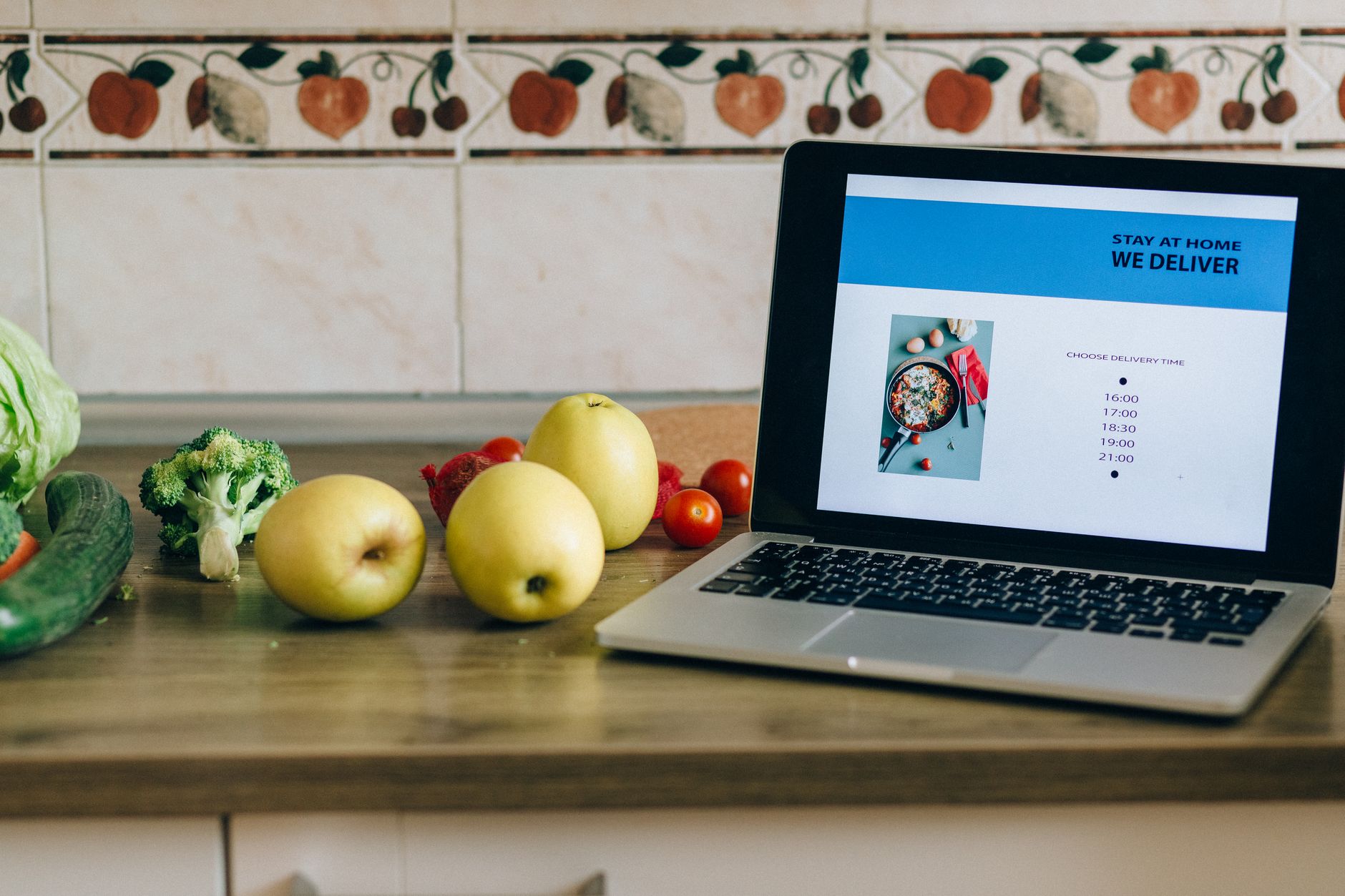
Online grocery apps like Instacart, Amazon Fresh, and local supermarket delivery services address specific challenges that emerge when someone has dementia. The person with dementia may no longer be able to reliably identify what groceries are needed, manage a shopping list, or tolerate the sensory overwhelm of busy grocery stores. Meanwhile, the primary caregiver—often an adult child or spouse—may be juggling medical appointments, medication management, household maintenance, and their own work, making a weekly grocery run feel like one crisis too many. Convenience is the most obvious benefit, but the emotional relief matters as much.
When a caregiver spends two hours fighting traffic, searching for items, waiting in checkout lines, and managing a confused companion who insists they’ve already bought milk three times, that time and stress directly reduce the quality of the caregiving relationship. Apps return that time and mental space. They also support consistency: ordering the same items on the same day creates a rhythm that people with dementia respond to, and familiar foods become anchors in an increasingly confusing world. A man with vascular dementia might be reassured by his usual brand of cereal appearing predictably every Monday, even when he can’t remember what day it is.
When Online Grocery Apps Fall Short
The main limitation is that online grocery shopping requires someone healthy enough to place orders, monitor finances, adjust quantities, and problem-solve when items are out of stock. If the person with dementia was previously the household shopper, that responsibility now shifts entirely to the care partner—and if the care partner is also aging or managing their own health issues, the system becomes fragile. Additionally, online apps often have minimum purchase amounts ($35 or $50), which can mean buying more than a household actually needs. For someone on a fixed income or managing multiple mouths to feed, this is a real financial friction point.
Another practical limitation: specialty items or items required for specific medical diets can be hard to source through standard grocery apps. If someone needs low-sodium foods due to heart disease, or specific protein sources because of swallowing difficulties, or particular brands they’ve historically tolerated well, the app’s inventory might not include those options. Some substitutions suggested by shoppers for out-of-stock items can introduce unexpected ingredients or textures. Lastly, there’s a loss of the food shopping trip as an outing—for someone in early dementia, a structured trip to the grocery store with a caregiver could be a cognitively engaging activity and a change of scenery. Removing that means finding alternative outings.
Setting Up Online Grocery Apps When Someone Has Dementia
Starting with an app works best when there’s a trial period and flexibility. Most grocery delivery services allow you to place an initial test order to see whether the shopper’s selection quality is acceptable, whether items arrive in good condition, and whether the delivery window fits your schedule. It’s worth starting with just staples—produce, dairy, pantry items your family buys every week—rather than trying to handle special dietary needs through the app right away. A practical example: the Martinez family in California set up an Instacart account for their mother with early-stage Alzheimer’s. In month one, they used the app only for their regular shopping: milk, bread, eggs, chicken, rice, vegetables, and a few known favorites like her preferred brand of beans.
They picked a standing order time every Thursday evening, so on Friday morning groceries appeared. After two months of successful basic orders, they expanded to include some refrigerated items and prepared foods that saved cooking time on busy days. By month four, they had developed a library of saved lists for different types of meals, which streamlined the whole process further. One key detail: have the app deliver to a safe, visible location. If your mother with dementia is home alone for part of the day, make sure the delivery location is secure so she doesn’t worry about groceries sitting outside, and consider notifying a neighbor to watch for arrivals if the person with dementia is prone to confusion about packages or delivery.

Comparing Online Grocery Delivery to In-Person Shopping for Dementia Families
The practical tradeoff comes down to time, cost, and flexibility versus control and adaptation. In-person shopping is free, allows you to inspect items before purchase, and lets you adjust quantities or skip items based on what you see. Grocery delivery costs 5–10% more in delivery fees and tips, eliminates visual quality control (though many apps allow photo feedback and refunds), and commits you to what you ordered even if a family member’s appetite changes or their swallowing becomes more difficult. Where online shopping wins is in reducing behavioral disruption. Many people with mid-to-late dementia experience what’s called “sundowning”—agitation that increases late in the afternoon.
A sunset-timed grocery shopping trip can be torturous. An app order placed at 9 a.m., when the care partner is fresh and the person with dementia is calmer, sidesteps that problem entirely. Over a month, that reduced agitation saves emotional energy on both sides. Some families find a hybrid approach works best: use the app for bulk staples and shelf-stable items, but visit the store together once monthly for fresh produce and to maintain whatever social structure the shopping trip provided. This keeps some routine and autonomy intact without overwhelming the person with dementia or the caregiver.
Common Pitfalls and What to Watch For
One frequent problem is subscription fatigue. Many grocery apps offer discounts for memberships (Instacart+, Amazon Fresh Plus, Walmart+), which seem like good deals upfront. But if you’re only using the service intermittently or for light shopping, you might end up paying membership fees that exceed your actual savings. Track your usage for the first month to decide whether a membership makes financial sense. Another pitfall is becoming too dependent on substitutions. When a shopper can’t find the exact item you ordered, they make a replacement—switching brands, sizes, or types without asking.
For many people with dementia, unexpected changes in familiar food can cause distress or digestive upset. Whenever you set up a new grocery app, go through each order after delivery and note which substitutions happened. Then use the app’s feedback to “reject” or mark those substitutions as unacceptable for future orders. Over time, the system learns your preferences. Also, be cautious about impulse items added by the shopper to “fill up” an order approaching a minimum. Confirm each order before it’s finalized and remove anything you didn’t request.

Managing Nutrition Through Consistent Delivery
Consistent grocery delivery supports better nutrition management for someone with dementia because it removes the randomness that can lead to poor eating habits. When someone with dementia is responsible for buying groceries, they may repeat purchases obsessively (buying the same snack five times) or forget to buy protein, vegetables, or foods that support cognition and muscle health. A care partner managing the order ensures variety and nutritional balance week to week. One example: Margaret’s husband was diagnosed with early Alzheimer’s at 62.
Before, he’d managed most household shopping but increasingly bought only cookies and chips—his palate had narrowed to sweet foods, and he’d forgotten most other preferences. Margaret started using Amazon Fresh for a consistent weekly order: eggs for breakfast, several types of lean protein, frozen vegetables, fruit, and whole grains, with controlled snack portions. Six months in, his energy stabilized, his doctor noted better lab values, and Margaret noticed he was sleeping better and less agitated. The consistency of nutritious meals was small but real for his overall health.
The Future of Grocery Delivery and Dementia Care
As apps expand their offerings, we’re seeing more health-focused integrations: some services now let you filter for heart-healthy foods, low-sodium options, or diabetic-friendly meals. A few pioneering apps are beginning to partner with healthcare providers to flag medication interactions with certain foods, which is particularly valuable for someone on multiple medications. While these features are still emerging, they suggest a path where grocery delivery becomes more of a health support tool than just a convenience feature.
The most promising development is in regular monitoring and alerts. Imagine an app that notices your weekly order pattern has changed drastically or that you’ve stopped ordering protein—it could flag this for a caregiver or healthcare provider as a potential sign of changing needs or declining appetite. Such features are still rare but represent where the technology is heading, especially as home healthcare becomes more integrated with digital tools.
Conclusion
Online grocery apps can meaningfully reduce stress and logistical burden for families caring for someone with dementia, particularly in supporting consistent nutrition and reducing behavioral disruption from store trips. They are most effective when used as one tool among many—not as a replacement for all food shopping, but as a solution to the parts of grocery shopping that create the most friction and agitation. The key is starting small, establishing a routine, and being intentional about what the app handles versus what you manage in person.
If you’re considering online grocery delivery for your family, begin with a basic test order of staple items to see how the service works in your household. Track both the costs and the emotional impact—less caregiver stress is as real a benefit as any time saved. Build in backup plans for specialty items and be proactive about rejecting substitutions that don’t work for your family member’s preferences. Used this way, online grocery apps can return time and energy to the parts of dementia caregiving that actually matter: showing up, staying present, and maintaining connection.