Reviewed by the Help Dementia Editorial Team — our editors review every article for accuracy against guidance from the National Institute on Aging, the Alzheimer’s Association, and peer-reviewed sources.
Health anxiety sits at the center of this dementia and brain health question.
Yes, health anxiety can significantly impair your ability to remember things, even when your brain is otherwise functioning normally. When you’re consumed with worry about your health—particularly fears about memory loss, dementia, or neurological decline—your brain enters a state of heightened stress that directly interferes with how memories are formed, stored, and retrieved. For example, someone experiencing health anxiety might become so focused on whether they’re forgetting something as a sign of dementia that they actually struggle to absorb new information or recall everyday details like where they put their keys, which then reinforces their anxiety and creates a self-perpetuating cycle. The relationship between health anxiety and memory problems is bidirectional and complex.
Anxiety triggers the release of stress hormones like cortisol, which can temporarily impair the prefrontal cortex—the brain region responsible for attention and memory consolidation. Meanwhile, the very act of hypervigilantly monitoring your memory performance often makes it worse, because constant self-checking and worry use up cognitive resources that would normally go toward actually remembering things. This isn’t a sign of dementia or permanent brain damage; it’s a well-documented physiological response to sustained anxiety. Understanding this connection is crucial because many people with health anxiety interpret their memory difficulties as evidence of serious neurological disease, which then escalates their anxiety and worsens their memory problems further. Breaking this cycle requires recognizing that your memory problems are likely anxiety-driven rather than disease-driven, though distinguishing between the two sometimes requires professional evaluation.
Table of Contents
- HOW DOES HEALTH ANXIETY AFFECT MEMORY FORMATION AND RETRIEVAL?
- THE CHRONIC STRESS EFFECT ON BRAIN STRUCTURE AND FUNCTION
- THE ANXIETY-MEMORY FEEDBACK LOOP
- DISTINGUISHING ANXIETY-RELATED MEMORY PROBLEMS FROM ACTUAL COGNITIVE DECLINE
- HOW SLEEP DEPRIVATION AND ANXIETY COMPOUND MEMORY PROBLEMS
- TREATMENT APPROACHES THAT IMPROVE MEMORY BY REDUCING ANXIETY
- WHEN TO SEEK PROFESSIONAL EVALUATION AND NEXT STEPS
- Conclusion
- Frequently Asked Questions
HOW DOES HEALTH ANXIETY AFFECT MEMORY FORMATION AND RETRIEVAL?
Health anxiety disrupts memory through several overlapping mechanisms. When your nervous system is in a state of high alert, your amygdala—the brain‘s alarm center—becomes hyperactive, while your hippocampus, which is essential for forming new memories, actually shrinks slightly under chronic stress. This biological shift means that during anxious periods, you’re less able to encode new information into long-term memory, even if you’re paying conscious attention. Additionally, anxiety fragments your attention; if part of your mind is occupied with health worries, you can’t fully focus on conversations, reading, or daily tasks, so information never makes it into memory in the first place. The retrieval side of memory also suffers under health anxiety.
Even if a memory was successfully stored, anxiety can make it harder to access because your brain is prioritizing threat-detection over memory search. Think of it like this: when you’re anxious and trying to remember where you parked your car, your mind keeps returning to worries about whether forgetting the location is a sign of cognitive decline, which prevents you from actually searching through your memory effectively. The person with health anxiety might take three times longer to retrieve a memory that someone without anxiety could access instantly, creating the impression that their memory is severely damaged when it’s actually just temporarily inaccessible. Research shows that people with high anxiety often have intact long-term memory storage but impaired retrieval under stress. This is an important distinction because it suggests that the problem is reversible once anxiety decreases, rather than being a sign of progressive neurological damage.

THE CHRONIC STRESS EFFECT ON BRAIN STRUCTURE AND FUNCTION
Sustained health anxiety doesn’t just interfere with memory temporarily—it creates measurable changes in brain structure and chemistry that can persist for months or even years. Prolonged elevation of cortisol and adrenaline can lead to inflammation in the brain, reduced blood flow to memory centers, and actual volume loss in the hippocampus, the seahorse-shaped structure critical for memory formation. However, it’s important to note that this stress-related hippocampal change is usually reversible once anxiety treatment begins, unlike the progressive, irreversible shrinkage seen in conditions like Alzheimer’s disease.
One of the most insidious aspects of health anxiety related to memory is that the brain changes caused by anxiety can feel indistinguishable from the early signs of dementia. You might experience difficulty concentrating, more frequent word-finding difficulties, difficulty learning new information, or trouble recalling recent events—all of which can happen with chronic anxiety and feel terrifying to someone who fears cognitive decline. A key limitation here is that anxiety-related memory problems are often accompanied by significant distress about the memory problems themselves, whereas early dementia often progresses with little insight or concern from the person experiencing it. Your constant worry and monitoring of your memory is actually more characteristic of health anxiety than of genuine dementia.
THE ANXIETY-MEMORY FEEDBACK LOOP
Health anxiety creates a self-reinforcing cycle that makes memory problems worse and anxiety more intense. Here’s how it typically unfolds: You have a normal memory lapse—everyone forgets where they left their glasses. But because you’re worried about dementia, you interpret this as evidence of decline. This interpretation triggers anxiety, which floods your brain with stress hormones, which then actually impairs your memory. The next time you try to remember something, you’re primed to worry about whether you’ll remember it, which diverts mental resources and makes remembering harder. Now you have “proof” that your memory is getting worse, so your anxiety intensifies further. A concrete example: Maria is 58 and recently read about early-onset dementia.
She becomes hypervigilant about her memory and starts worrying constantly about whether she’s forgetting things. During a work meeting, she can’t immediately recall a client’s name. Normally this wouldn’t concern her, but given her current anxiety, she interprets it as a warning sign. She becomes anxious about the memory lapse, which causes her to ruminate about it instead of fully engaging with the rest of her work. Over the next few weeks, as she continues to monitor herself for memory problems (which everyone has occasionally), she notices more memory lapses. In reality, she’s probably noticing them more because she’s paying attention, but to her, it seems like a decline. Her anxiety spirals, her sleep suffers, her stress hormones spike, and her actual memory performance does decline—not because of disease, but because of the physiological effects of sustained anxiety.
DISTINGUISHING ANXIETY-RELATED MEMORY PROBLEMS FROM ACTUAL COGNITIVE DECLINE
One of the most valuable insights you can develop is learning to distinguish between memory problems caused by health anxiety and those caused by genuine cognitive disease. This distinction matters enormously because the treatments are completely different. Anxiety-related memory problems typically have several characteristic features: they’re accompanied by significant distress and worry about the memory loss, they’re often inconsistent (you remember some things clearly while forgetting others), they develop relatively suddenly, they’re worse when you’re stressed or not sleeping, and they improve when anxiety decreases.
In contrast, genuine dementia typically progresses gradually and consistently over months and years, gets slowly worse regardless of stress levels, often occurs without much awareness or concern from the person experiencing it, and is usually accompanied by changes in other cognitive areas like judgment, word-finding, or planning. Someone with health anxiety about dementia might forget three things over the course of a week and panic; someone with actual dementia might not notice they’ve been repeating the same story five times. The comparison can be uncomfortable to make, but it’s clinically important. That said, anxiety doesn’t prevent you from also developing actual cognitive decline—someone can have both health anxiety and early cognitive problems, which is why professional evaluation by a neurologist or neuropsychologist can be valuable if you’re concerned.
HOW SLEEP DEPRIVATION AND ANXIETY COMPOUND MEMORY PROBLEMS
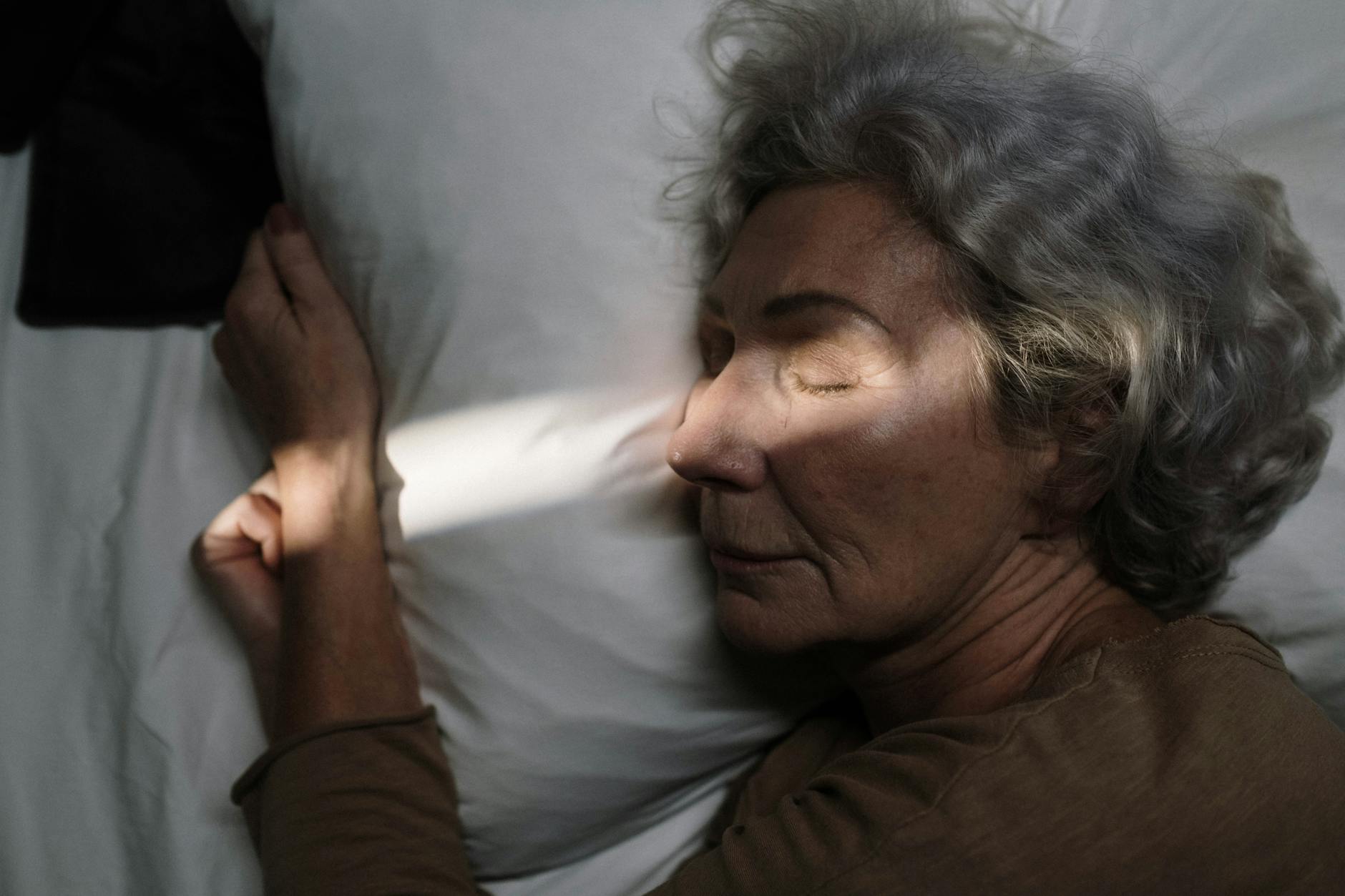
Health anxiety about memory often creates insomnia or poor sleep quality, which then dramatically worsens memory function and creates a vicious cycle. Sleep is when the brain consolidates memories, transferring information from short-term working memory into long-term storage. When you’re lying awake at night worrying about whether you’re developing dementia, or when anxiety keeps you from getting deep, restorative sleep, you’re actively preventing your brain from performing this critical maintenance function. The next day, you feel more forgetful, which intensifies your anxiety, which makes the next night’s sleep even worse.
A significant limitation of self-help approaches for anxiety-related memory problems is that if insomnia is severe, you may need professional help addressing both the anxiety and the sleep disruption simultaneously. Some people try to “fix” their memory problems through cognitive exercises or supplements while continuing to experience high anxiety and poor sleep—and they find these approaches don’t work, which then escalates their worry that they have a serious neurological problem. This can delay them from getting appropriate anxiety treatment, which is often the most effective intervention for memory problems caused by anxiety rather than disease. The warning here is important: if health anxiety is preventing you from sleeping well consistently, don’t delay in seeking help from a healthcare provider. Sleep deprivation itself can impair memory significantly and can also contribute to mood disorders and physical health problems.
TREATMENT APPROACHES THAT IMPROVE MEMORY BY REDUCING ANXIETY
The good news is that reducing health anxiety almost always improves memory function, often within weeks to a few months. Cognitive-behavioral therapy (CBT), which specifically targets the thought patterns and behaviors that maintain health anxiety, has strong evidence for improving both anxiety and associated cognitive symptoms. In CBT, you work with a therapist to identify the anxious thoughts that fuel your worry (like “if I forgot that name, I must be developing dementia”), challenge those thoughts with more realistic perspectives, and gradually reduce the safety behaviors that reinforce anxiety (like constantly testing your memory or seeking reassurance).
For example, someone with health anxiety might stop avoiding situations where memory problems might occur, stop asking family members “did I already tell you this?,” and stop spending hours researching dementia symptoms online. As these anxiety-maintaining behaviors decrease, anxiety naturally declines, stress hormone levels normalize, and memory function improves. Some people also benefit from medication like SSRIs, which can reduce anxiety and sometimes improve cognitive function, though medication alone is usually less effective than combined with therapy.
WHEN TO SEEK PROFESSIONAL EVALUATION AND NEXT STEPS
If you’re experiencing memory problems accompanied by significant health anxiety, the most constructive step is to seek evaluation from a healthcare provider who can help determine whether your symptoms are anxiety-related, whether they’re signs of actual cognitive decline, or whether both are present. A primary care physician can do initial screening, but if there’s any concern about cognitive changes, a referral to a neuropsychologist can provide comprehensive testing that clarifies what’s happening. Neuropsychological testing is particularly valuable because it can distinguish between memory problems caused by anxiety, depression, or sleep deprivation versus those caused by actual neurological changes.
The path forward typically involves addressing the anxiety directly, which often resolves the memory problems. As research in this area continues, we’re learning more about the remarkable plasticity of the anxious brain—how quickly cognitive function can improve once anxiety is treated. This means that noticing memory problems related to health anxiety, rather than being a disaster, is actually an opportunity to get help that will improve multiple aspects of your life beyond just memory.
Conclusion
Health anxiety can genuinely impair your memory through stress hormones, reduced blood flow to memory centers, fragmented attention, and hypervigilant self-monitoring—but these effects are usually reversible once anxiety decreases. The memory problems caused by anxiety feel subjectively real and distressing, which can fuel even more worry, but recognizing this cycle is the first step toward breaking it.
Understanding that your memory difficulties are likely anxiety-driven rather than disease-driven doesn’t mean your experience isn’t real; it means there are effective treatments that address the root cause rather than trying to force your brain to remember better while it’s in a state of high alert. If you’re struggling with health anxiety affecting your memory, consider reaching out to a mental health professional who can help you address the anxiety, restore your sleep, and allow your brain to return to its normal level of functioning. Your memory didn’t disappear—it’s just temporarily impaired by anxiety, and that’s a problem with a solution.
Frequently Asked Questions
Can health anxiety cause permanent memory damage like dementia does?
No. Memory problems caused by health anxiety are reversible. While chronic stress can cause temporary structural changes in the brain, these changes are not progressive and typically improve when anxiety is treated. Dementia, by contrast, involves progressive and permanent changes in brain tissue. However, chronic untreated anxiety can contribute to other health problems, so addressing it early is important.
How can I tell if my memory problems are from anxiety or dementia?
Anxiety-related memory problems are usually inconsistent, come with significant worry about the memory loss, worsen with stress and poor sleep, and improve when anxiety decreases. Dementia progresses gradually and consistently, often without the person being particularly concerned about it. If you’re uncertain, a healthcare provider or neuropsychologist can evaluate you, but the level of distress you’re experiencing is actually more characteristic of anxiety.
Will cognitive exercises or brain training games help if my memory problems are anxiety-related?
While brain training won’t hurt, it’s unlikely to be the most effective approach if anxiety is the root cause. Memory exercises might help someone with early cognitive decline, but for anxiety-related memory problems, treating the anxiety itself through therapy or other anxiety-reducing approaches is usually more effective and often produces faster improvement.
Can I have both health anxiety and actual cognitive decline?
Yes, though it’s less common than having one or the other. Health anxiety can coexist with early cognitive changes, which is why professional evaluation is sometimes useful if you’re significantly concerned. However, the anxiety itself can be treated and managed, which will improve your quality of life and make it easier to monitor your actual cognitive status accurately.
How long does it take for memory to improve after treating anxiety?
Many people notice improvement in concentration and memory within 2-4 weeks of starting anxiety treatment, though full improvement sometimes takes several months. Sleep quality often improves within the first week or two, which itself helps memory function. The timeline varies depending on how severe the anxiety was and which treatment approach you use.
Should I avoid thinking about memory to reduce my anxiety about it?
Trying to avoid thinking about memory problems often backfires and increases anxiety (avoidance reinforces anxiety). Instead, therapy approaches like CBT help you notice the anxious thoughts without fighting them, and then gently redirect your attention elsewhere. This is more effective than trying to suppress the thoughts, which often makes them stronger.
You Might Also Like
- Why Brain Health Headlines Can Feel Scary
- Why Post-COVID Memory Complaints Need Evaluation
- How Inflammation After Infection Affects Memory
For more, see Alzheimer’s Association — medical tests.