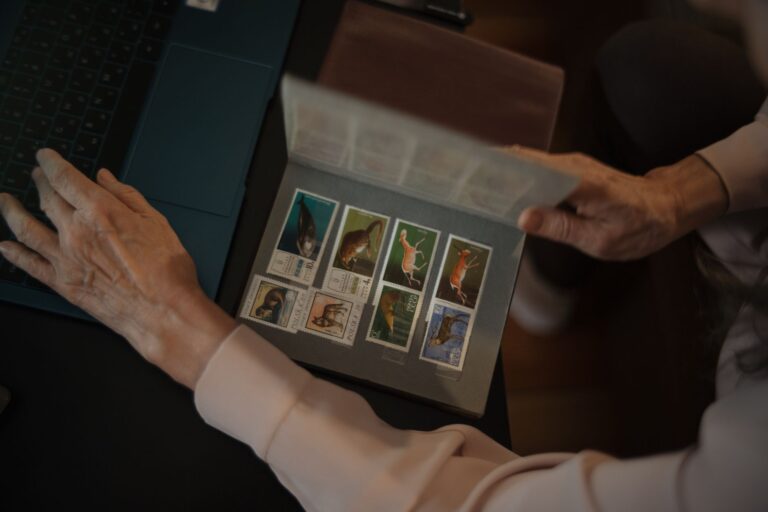
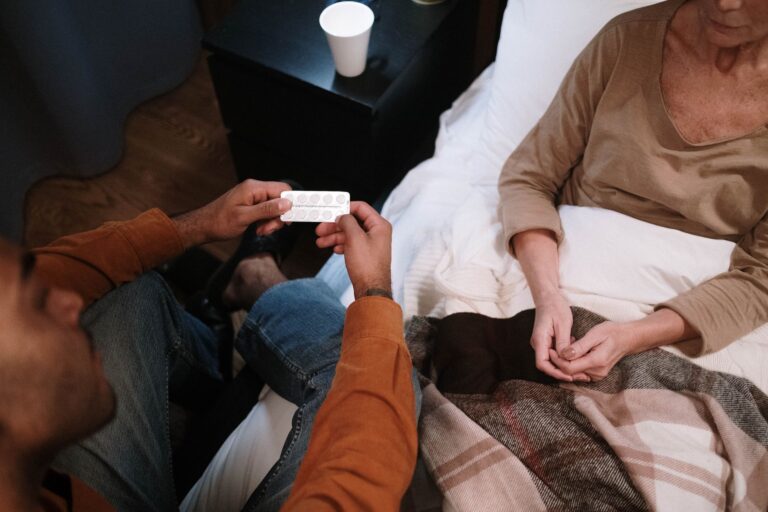
Yes, familiar objects can reduce anxiety in Alzheimer’s disease patients—though the effect varies depending on the disease stage and the object’s personal significance. When a person with Alzheimer’s holds a wedding ring, looks at a family photograph, or touches a beloved pet, the brain can access emotional memories even when verbal recall fails. These sensory triggers activate neural pathways connected to feelings of security and identity, often producing measurable calm: slower breathing, reduced agitation, and a return to baseline mood within minutes. A daughter watching her father—who hadn’t spoken coherently in weeks—become visibly peaceful while holding his old fishing rod understands the mechanism firsthand: the object doesn’t restore memory, but it reconnects the person to something their nervous system remembers.
This phenomenon is not placebo. The brain regions responsible for procedural and emotional memory often remain functional longer than those governing factual recall. An Alzheimer’s patient may not remember their spouse’s name but can still feel comfort in their presence. Similarly, familiar objects bypass the damaged semantic memory system and speak directly to the limbic system—the emotional brain. The mechanism works because familiarity itself is calming; it signals safety to a person whose world has become unpredictably fragmented.
Table of Contents
- How Do Familiar Objects Trigger Memory and Comfort in Alzheimer’s Patients?
- The Science Behind Object Recognition and Anxiety Reduction in Dementia
- Which Types of Familiar Objects Work Best for Managing Anxiety?
- Practical Strategies for Using Familiar Objects in Daily Care
- When Familiar Objects Don’t Help—and What to Do Instead
- Creating a Familiar Environment Beyond Single Objects
- Long-term Changes in Object Recognition and Continuous Adaptation
- Frequently Asked Questions
How Do Familiar Objects Trigger Memory and Comfort in Alzheimer’s Patients?
alzheimer‘s disease damages memory systems unevenly. Episodic memory—the ability to recall specific events—deteriorates early and severely. Semantic memory—knowing what words and facts mean—fades next. But procedural memory—how to perform actions—and emotional memory—the feeling associated with a person or object—can persist much longer. This is why an Alzheimer’s patient might not recognize their own face in a mirror but will smile at the sound of their grandchild’s voice. Familiar objects work because they activate these preserved systems.
When a person with Alzheimer’s touches something they’ve handled thousands of times—a coffee mug, a garden tool, a piece of clothing—the sensory input (texture, weight, temperature, sometimes smell) triggers automatic associations below the level of conscious recall. A wife with mid-stage Alzheimer’s may not know she’s been married 50 years, but her hands remember the shape of her wedding band. Her body responds with a release of oxytocin, a hormone associated with bonding and calm. This differs fundamentally from showing the same person an unfamiliar object or explaining who you are verbally. The unfamiliar object produces no response because there is no neural pathway to activate. Explanation fails because the information cannot be stored or retrieved.
The Science Behind Object Recognition and Anxiety Reduction in Dementia
The amygdala—the brain’s emotion center—and the hippocampus—crucial for memory formation—deteriorate in Alzheimer’s, but not always synchronously. Someone can lose access to factual memory while retaining emotional responses to familiar stimuli. Functional MRI studies have shown that when Alzheimer’s patients are presented with objects associated with their personal history, areas of the temporal lobe and insula activate even when the patients cannot verbally identify the object. This suggests that the brain is still “reading” the familiar stimulus and generating an emotional response.
However, a critical limitation: the calming effect of familiar objects diminishes or disappears in late-stage disease when sensory processing itself begins to fail. A person with advanced Alzheimer’s may no longer respond to touch or may misidentify objects entirely due to visual agnosia—the inability to recognize things despite intact sensory perception. A family member should not assume that an object that worked in the middle stage will continue to work indefinitely. Additionally, some familiar objects can trigger distress if they evoke memories of loss, pain, or conflict. A photograph of a deceased spouse may induce grief rather than comfort; a work-related item might amplify confusion about why the person is no longer at their job.
Which Types of Familiar Objects Work Best for Managing Anxiety?
The most effective familiar objects are those tied to strong positive emotions or deeply ingrained routines. Personal items—wedding rings, watches, eyeglasses, favorite clothing—tend to work better than generic comfort objects because they carry decades of association. A man with Alzheimer’s who spent his career as a carpenter may find deep calm in holding a particular hammer or saw, even if he can no longer use it. The object connects him to identity and competence. Similarly, hobby-related items—a gardener’s pruning shears, a musician’s instrument, a knitter’s needles—often ground people more effectively than new plush toys or music boxes purchased for therapeutic purposes.
Comparison studies show that personal objects outperform non-personal ones in reducing anxiety behaviors, though the difference is most pronounced in the moderate stages of disease. A person in the early stage might benefit equally from their father’s jacket (personal, emotionally loaded) or a high-quality blanket (non-personal but tactilely soothing). But as disease progresses, specificity matters. Generic comfort items lose efficacy; objects with a genuine personal history maintain some effect longer. Pets and animals also function as familiar objects, though they’re dynamic and responsive in ways a static object cannot be. An Alzheimer’s patient with a lifelong dog often shows more sustained anxiety reduction with the animal than with any single object.
Practical Strategies for Using Familiar Objects in Daily Care
Implement object-based comfort by creating a “memory basket”—a collection of 5 to 10 items from different periods of the person’s life, chosen for their tactile appeal and positive associations. Introduce one or two objects during moments of high anxiety rather than leaving all of them accessible. A patient flooded with anxiety during bathing might be handed a smooth stone from a favorite vacation beach or their parent’s old scarf; the sensory input can redirect attention and calm the nervous system within a few minutes. Timing matters: objects work best when offered at the first signs of anxiety, before agitation escalates. A significant tradeoff exists between constant availability and sustained effectiveness.
If an object is left with a person permanently, its novelty fades and its calming power diminishes—a phenomenon called habituation. A better approach is to rotate familiar objects based on the time of day, the person’s mood, and the context. The object that soothes an anxious evening might be set aside during the morning when the person’s mood is typically stable. Additionally, not all sensory input is calming; some people with Alzheimer’s become overwhelmed by too much tactile or olfactory stimulation. A scarf that smells strongly of a departed loved one might evoke grief rather than comfort. Test objects in low-stakes situations and observe the person’s response before using them as anxiety interventions.
When Familiar Objects Don’t Help—and What to Do Instead
In late-stage Alzheimer’s disease, particularly when the person has lost the ability to recognize faces or process sensory information meaningfully, familiar objects often cease to provide anxiety relief. The person may hold an object without registering it, or handle it with indifference. A daughter watching her mother hold a treasured piece of jewelry with no glimmer of recognition faces a painful truth: the therapeutic window for this intervention has closed. This is not failure on the caregiver’s part; it reflects the relentless progression of the disease.
Another limitation: some patients become anxious when they cannot explain why they have an object or where it came from. A man with mid-stage Alzheimer’s might pick up his own photograph and become distressed because he doesn’t recognize the people in it or doesn’t understand why he’s holding a picture of strangers. In such cases, removing the object and moving to other anxiety interventions—music, gentle touch, presence of a trusted person, changes in environment—may be more effective. When familiar objects stop working, reassessment is necessary. The person’s needs have changed, and care strategies must adapt.
Creating a Familiar Environment Beyond Single Objects
Familiar objects work better when embedded in a familiar environment. A person with Alzheimer’s who is moved to an unfamiliar care facility will gain some comfort from personal objects, but the shock of the new setting may overwhelm the calming effect. Conversely, an Alzheimer’s patient living in their own home, surrounded by furniture, décor, and routines they’ve inhabited for decades, benefits from the entire environmental system.
The weight of the kitchen chair, the smell of the hallway, the position of windows, the sound of the door latch—all these familiar elements reinforce each other and stabilize the person’s sense of place. When moving a person with Alzheimer’s is necessary—to a care facility, to a hospital, to another family member’s home—replicating key aspects of the familiar environment reduces the severity and frequency of anxiety episodes. This might involve bringing bedding from home, arranging furniture in a similar configuration, placing familiar photographs on walls, or ensuring that daily routines (breakfast at the same time, a walk after lunch) proceed as they did before. A study of nursing home residents found that those whose rooms included multiple personal items from their former home showed 30% fewer behavioral incidents than those with generic institutional décor.
Long-term Changes in Object Recognition and Continuous Adaptation
As Alzheimer’s progresses, the types of objects that work will shift. Early in the disease, complex objects with multiple associations—a framed family photograph with names and dates the person can still read—may be most effective. As the disease advances, simpler sensory objects—a smooth stone, a soft blanket, a piece of clothing—often work better because they don’t require identification or interpretation. The object’s power then derives entirely from texture and tactile familiarity rather than from memory. Caregivers must monitor and adjust regularly.
A object that provided comfort for months may suddenly lose its effect not because it’s been overused, but because the person’s disease has progressed to a stage where they no longer process that type of sensory information. A man who derived great comfort from holding his wife’s hand through middle-stage Alzheimer’s may eventually become indifferent to touch as the disease damages sensory processing. This is not a personal rejection; it’s neurological. At the point when an object no longer elicits a visible response—no relaxation, no acknowledgment, no change in behavior—it’s time to set it aside and find new approaches. The most useful familiar objects are those that continue to meet the person where their disease has taken them, not where they were.
- —
Frequently Asked Questions
Do familiar objects work for all people with Alzheimer’s?
No. The effect is strongest in early to moderate disease stages and often diminishes or disappears in late-stage Alzheimer’s when sensory processing deteriorates. Some people respond powerfully; others show minimal response regardless of the object chosen. Individual variability is significant.
Can familiar objects be used all the time?
Overuse reduces their effectiveness through habituation. Rotating objects and introducing them strategically during high-anxiety moments produces better results than leaving them constantly available.
What if a familiar object triggers distress instead of calm?
Stop using it immediately. Objects tied to grief, loss, or conflict can increase anxiety rather than reduce it. Choose different items or focus on non-object interventions like music, presence, or environmental modification.
How long does the calming effect typically last?
Often 5 to 20 minutes, depending on the object, the person’s disease stage, and the severity of their anxiety. The effect may wear off as the person’s attention shifts, but reintroducing the object later can produce another calming response.
Are personal objects better than non-personal ones?
Generally, yes—personal items with genuine history are more effective than generic comfort objects in reducing anxiety, especially as the disease progresses. However, some people benefit equally from any soothing sensory input.
Does the object need to be visually recognizable for it to work?
No. In fact, touch and other senses often matter more than sight. A person with visual agnosia—who cannot identify objects by looking at them—may still respond powerfully to holding or feeling a familiar item. —