Reviewed by the Help Dementia Editorial Team — our editors review every article for accuracy against guidance from the National Institute on Aging, the Alzheimer’s Association, and peer-reviewed sources.
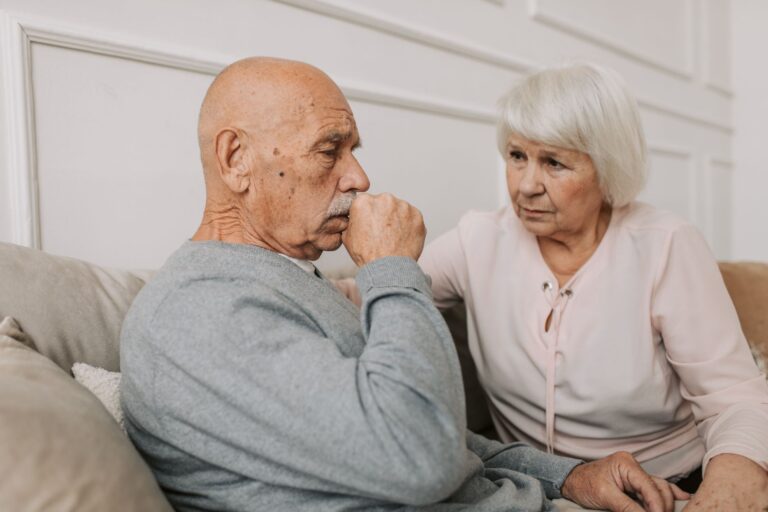
Yes, COVID-19 can influence cognitive decline, and the evidence is growing. Studies have documented that some people who recover from COVID-19 experience measurable cognitive problems—difficulty concentrating, memory lapses, processing delays, and attention deficits—sometimes lasting weeks or months after other symptoms resolve.
This phenomenon, often called “brain fog” or Long COVID brain fog, appears particularly common in people over 50, those with severe initial infection, and those already at risk for dementia, though it can affect people of any age. The mechanisms are still being uncovered, but researchers believe COVID-19 may trigger cognitive problems through several pathways: direct viral effects on brain tissue, inflammatory responses that damage neurons, blood clotting events that reduce oxygen flow to the brain, or lasting immune system dysregulation. For people managing dementia or concerned about brain health, understanding this connection is important—it’s not merely anecdotal, and it’s not a permanent automatic decline for everyone, but it’s a documented risk that deserves attention and monitoring.
Table of Contents
- What Does the Research Actually Show About COVID-19 and Brain Function?
- How Does COVID-19 Physically Damage Brain Function and Cognition?
- Why Are Older Adults and People With Dementia at Higher Risk?
- What Practical Steps Can You Take If You’re Concerned About COVID-19 and Your Brain Health?
- What Are the Limitations of Current Knowledge and Why This Remains Uncertain?
- Post-COVID Cognitive Rehabilitation and What the Evidence Shows
- The Future: What We Need to Know and How COVID-19 Might Reshape Dementia Risk
- Conclusion
What Does the Research Actually Show About COVID-19 and Brain Function?
Multiple peer-reviewed studies have found cognitive impairment in COVID-19 survivors. A landmark study published in JAMA Network Open followed patients at 3, 6, and 12 months and found that some cognitive deficits persisted even a year after infection. Neuropsychological testing revealed slowed processing speed, reduced executive function (planning and decision-making), and memory retrieval problems. Another study in Brain, Behavior, and Immunity documented that the severity of cognitive symptoms didn’t always match the severity of respiratory illness—some people with mild respiratory symptoms developed significant brain fog, while others with severe respiratory illness recovered cognitively faster.
The prevalence varies widely depending on how studies measure cognition and which populations they study. Some research suggests 20–30% of hospitalized COVID-19 patients report cognitive symptoms months later, while other studies report higher percentages. This variation exists because “cognitive decline” is subjective (self-reported forgetfulness) versus objective (formal testing), and timeframes differ. A person might report brain fog at 3 months but show normal scores on neuropsychological tests, or vice versa. This matters for older adults and people with dementia risk factors because subclinical cognitive changes—those not yet diagnosable as impairment—might still accelerate underlying neurodegenerative processes.
How Does COVID-19 Physically Damage Brain Function and Cognition?
The brain damage isn’t always inflammation. Researchers have identified several mechanisms at work simultaneously. One is direct viral invasion: the SARS-CoV-2 virus can cross the blood-brain barrier and infect brain cells directly, particularly affecting the olfactory system (which is why lost smell is so common) and potentially reaching deeper brain structures. Viral proteins trigger local inflammation, microglial activation (immune cells in the brain turning “on”), and neuronal stress responses.
However, direct infection is not the whole story, and this is a critical limitation: many people with severe brain fog show little evidence of direct viral infection in brain imaging or cerebrospinal fluid analysis. Instead, the damage appears to come from systemic inflammation—cytokine storms, in particular—that damages the blood-brain barrier itself, reducing the brain’s oxygen supply and allowing inflammatory molecules to accumulate. Another mechanism is coagulopathy (abnormal blood clotting): COVID-19 triggers small vessel thrombosis (micro-clots), which can reduce blood flow to brain tissue and cause silent ischemic injury (oxygen deprivation without obvious stroke symptoms). This is especially concerning for older adults, whose brains are already more vulnerable to hypoxia. A warning worth noting: if you’ve had COVID-19 and are experiencing persistent confusion, difficulty finding words, or mood changes, medical evaluation is warranted—not all cognitive changes are temporary.
Why Are Older Adults and People With Dementia at Higher Risk?
The brain naturally becomes more vulnerable to injury with age. Older adults have reduced cognitive reserve—the brain’s ability to compensate when neurons are damaged—meaning the same amount of viral or inflammatory injury has a bigger functional impact. In someone who already has mild cognitive impairment or early dementia, the same post-COVID inflammation might be the push that accelerates decline to a diagnosable level. For example, a 72-year-old with early memory problems from preclinical Alzheimer’s disease who develops COVID-19 might go from “occasionally forgetting appointments” to “unable to manage medications independently” within months of infection, whereas the same infection in a cognitively healthy 72-year-old might cause temporary brain fog that fully resolves.
Older age also correlates with more severe COVID-19 infection, more prolonged hospitalization, and—critically—delirium. Delirium (acute confusion during hospitalization) is itself a risk factor for lasting cognitive decline and acceleration of dementia. The delirium may resolve, but people who experience severe delirium during COVID-19 hospitalization are at significantly higher risk of cognitive problems 6–12 months later. Additionally, people over 65 are less likely to fully recover their baseline function post-infection, even from relatively mild COVID-19. This is not because the virus itself targets them differently but because their brains have less plasticity (flexibility to rewire and recover).

What Practical Steps Can You Take If You’re Concerned About COVID-19 and Your Brain Health?
If you’ve had COVID-19 and are experiencing cognitive symptoms, start by documenting them specifically—not “I feel foggy” but “I can’t remember my daughter’s phone number anymore” or “I take three times as long to do simple tasks.” This information helps healthcare providers distinguish between the subjective sensation of brain fog and objective cognitive decline. Schedule an evaluation with your primary care doctor, who can rule out other causes of cognitive change (thyroid dysfunction, vitamin deficiencies, depression, medication effects) before attributing symptoms to Long COVID. For people already diagnosed with mild cognitive impairment or early dementia, the decision point is whether to get vaccinated for COVID-19—and the evidence strongly supports vaccination and boosters, because preventing COVID-19 entirely is far preferable to managing post-COVID cognitive decline. Vaccination doesn’t eliminate cognitive risk entirely, but it sharply reduces the severity of infection and therefore the risk of brain injury.
The tradeoff here is worth stating clearly: all vaccines have minor side effects, and rarely, neurological events. But COVID-19 itself carries a much higher risk of neurological harm, particularly in older adults and those with existing brain disease. The evidence favors vaccination overwhelmingly. Beyond COVID-19 specifically, cognitive health after any serious infection improves with early physical therapy (including walking), cognitive rehabilitation (targeted mental exercises), and treatment of any secondary complications like anemia, sleep apnea, or depression. These interventions help the brain recover and build new neural pathways.
What Are the Limitations of Current Knowledge and Why This Remains Uncertain?
Long-term cognitive follow-up studies are still limited. Most studies follow people for 6–12 months; we don’t yet have solid data on whether post-COVID cognitive decline persists at 3–5 years, or whether it’s associated with earlier-than-normal dementia onset in 10 years. This is a crucial knowledge gap because distinguishing between temporary cognitive symptoms that fully resolve and permanent acceleration of neurodegeneration requires decades of follow-up. Additionally, most published studies enrolled hospitalized patients or people with moderate-to-severe COVID-19; we don’t yet fully understand the cognitive impact of mild or asymptomatic infection at the population level, which is important because most people who had COVID-19 had mild disease.
A significant limitation is also selection bias: people who persist in seeking cognitive evaluation after COVID-19 may not represent the whole infected population. They may be more health-conscious, more distressed by symptoms, or at baseline at higher risk for cognitive problems. Because of this, published prevalence rates may overestimate the true population risk. The other side of this coin: some people with post-COVID cognitive decline may never seek evaluation or may attribute symptoms to aging, stress, or other causes, so the true prevalence could be higher. Until we have large prospective studies with objective cognitive testing in representative samples of infected and uninfected controls, we’re interpreting incomplete evidence.

Post-COVID Cognitive Rehabilitation and What the Evidence Shows
Cognitive rehabilitation—structured retraining of memory, attention, and executive function—has shown promise in small studies of COVID-19 survivors. The approach combines computerized cognitive training (apps that exercise working memory, attention, and processing speed), goal-focused therapy (working with a therapist on specific real-world tasks like returning to work), and lifestyle modification (sleep optimization, exercise, social engagement). Some rehabilitation centers have now developed specialized Long COVID cognitive programs.
For instance, a 58-year-old accountant who couldn’t do complex tax calculations after COVID-19 worked with a cognitive therapist on attention and working memory tasks, plus graduated back-to-work protocols, and regained functional capacity over 4 months—though not to the same speed as before infection. The limitation is that rehabilitation programs are expensive, not widely available, and not covered by all insurance plans. They also work better if started earlier (within 3–6 months of symptom onset) rather than later.
The Future: What We Need to Know and How COVID-19 Might Reshape Dementia Risk
As more people age after having had COVID-19, epidemiologists are watching whether COVID-19 will measurably increase dementia incidence in aging populations. If even a small percentage of the billions of infected people experience lasting cognitive damage or cognitive acceleration, the public health impact could be significant. Conversely, it’s possible that cognitive symptoms from COVID-19 resolve completely in most people, or that people’s own recovery mechanisms and cognitive reserve prevent lasting decline.
The next decade of research will clarify this. In the meantime, the COVID-19 and cognition story has already changed dementia prevention conversations. It’s added another modifiable risk factor to the list—preventing or minimizing COVID-19 severity now sits alongside controlling blood pressure, managing diabetes, staying cognitively active, and getting adequate sleep as evidence-based steps to protect brain aging.
Conclusion
COVID-19 can influence cognitive decline, and this is not a minor side effect—it’s documented across multiple studies and experienced by thousands of people. The effect varies widely by person, severity of infection, and age, and for many people, cognitive recovery is complete. However, for older adults, people with existing cognitive impairment, or those with severe initial infection, the risk of lasting or accelerating cognitive problems is real enough to warrant medical attention and preventive action.
If you or someone you care for has experienced cognitive changes after COVID-19, seeking evaluation is the right step. For everyone, particularly people over 65 or with dementia risk factors, vaccination against COVID-19 remains the strongest tool to prevent this complication entirely. The research is evolving, and clearer answers about long-term cognitive outcomes will emerge in coming years—but we don’t need to wait to act.