Yes, caregivers can build a simple rotation for sundowning evenings. A small kit of 3-4 familiar calming items, swapped nightly, gives restless hands a safe focus during late-day distress. Sundowning means increased late-afternoon to nighttime confusion, anxiety, agitation, pacing and disorientation in people with Alzheimer's or other dementias. The Alzheimer's Association describes this pattern in its Sleep Issues and Sundowning, and notes the exact cause remains unknown.
Medical information disclaimer: This article is for general educational purposes only and does not provide medical advice, diagnosis, or treatment. Always consult a physician or other qualified health professional about symptoms, medications, tests, or treatment decisions.
Table of Contents
- Why do late-day hours trigger restlessness?
- Why keep the choice small?
- What belongs in the evening kit?
- How far can sensory items help?
Why do late-day hours trigger restlessness?
Tired bodies, fading light and household noise pile up by evening. Hunger, thirst, discomfort and a break in routine can also raise confusion. Caregivers can lower that load with steady habits.
The National Institute on Aging advises keeping bathing, dressing and eating at the same times daily in its Tips for Coping with Sundowning. The same approach calls for fewer people in the room and less noise and clutter. Harvard Health also recommends predictable daytime routines, daylight exposure, daytime activity and limits on caffeine, alcohol and large evening meals in its Sundowning explainer.
Why keep the choice small?
Too many objects compete for attention when thinking is already strained. A tidy table helps a person notice one item and start using it. Research with toddlers found that 4 toys instead of 16 led to longer play per toy and more varied use.
The British Psychological Society summarized the finding in its BPS Research Digest. Caregivers can borrow the rotation idea. Store most items out of sight, offer a few at a time, then swap them another night to preserve novelty without distraction.
What belongs in the evening kit?
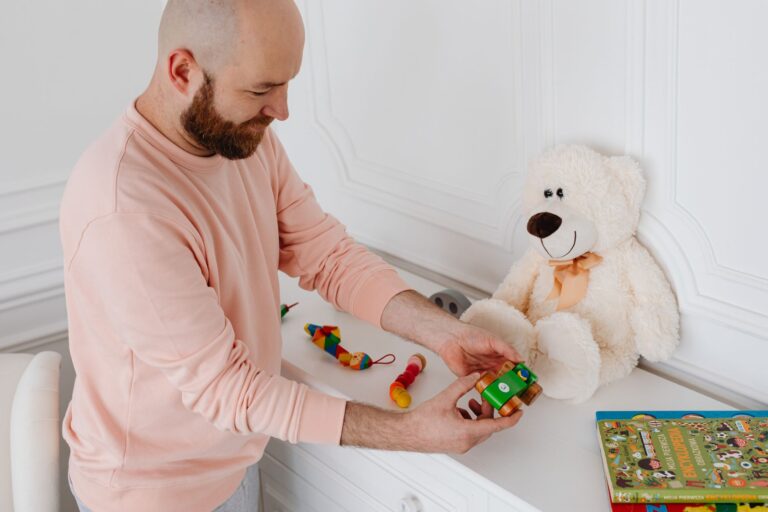
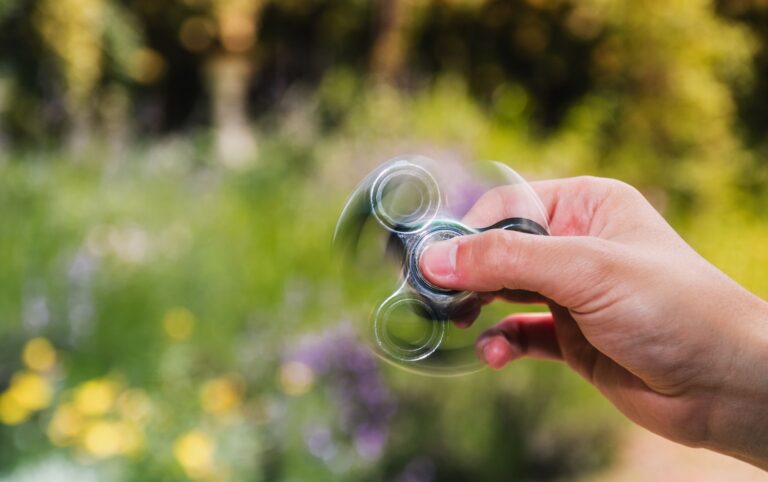
Choose items matched to the person's past interests and current abilities. Tactile and multisensory objects such as fidget blankets, textured balls, music and familiar objects can redirect restless hands and ease boredom.
Distraction also works with everyday comforts. Offer a favorite drink or snack, fold towels together, handle a smooth stone or soft cloth, or play familiar, non-upsetting music or TV. Build the kit with safety first:.
- keep 3-4 soft, sturdy, familiar items for the evening
- avoid small parts, sharp edges, cords and mouthable pieces
- keep light low, sound low and instructions one step at a time
- watch the response and swap the item if distress rises
How far can sensory items help?
Expect calm during the activity, not a lasting change in symptoms. A Cochrane review found only short-term behavioral benefits during or just after multisensory sessions in its Snoezelen review plain-language summary, with no convincing lasting effect on behavior, mood or interaction. Use the kit as one part of the evening plan.
Keep the routine, lighting, meals and rest breaks steady, then add the rotation when pacing or picking starts. Check hourly and keep notes for a week. Keep items that soothe, remove items that confuse, and call the care team if agitation becomes unsafe or suddenly worse.