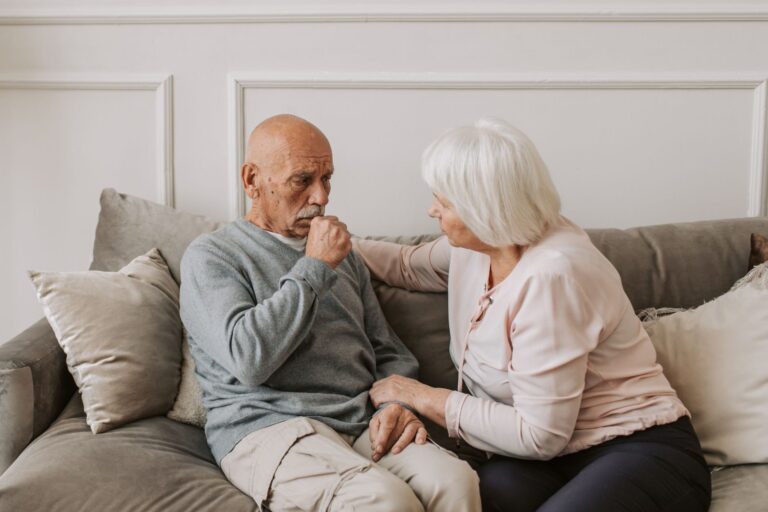
Yes, aphasia support groups can improve communication, social participation, and quality of life for many memory care residents. Aphasia impairs speaking, understanding, reading and writing, according to the National Institute on Deafness and Other Communication Disorders in its aphasia overview.
Memory care residents face a double burden. Language loss limits conversation, and isolation harms health. Primary progressive aphasia is directly relevant here because Cleveland Clinic describes it as a neurodegenerative dementia that causes progressive loss of speaking, reading, writing and comprehension.
Medical information disclaimer: This article is for general educational purposes only and does not provide medical advice, diagnosis, or treatment. Always consult a physician or other qualified health professional about symptoms, medications, tests, or treatment decisions.
Table of Contents
- What improves with group treatment?
- Why does connection matter in memory care?
- Where are the limits?
- How can families choose a workable group?
- Frequently Asked Questions
What improves with group treatment?
Conversation groups give repeated practice in real interaction. Partners use gestures, pictures, writing, and slowed turns to support each message. Practice focuses on getting ideas across, not perfect speech. A 104-person multisite randomized trial reported greater language and communication gains from conversation group treatment than from no treatment, according to the American Journal of Speech-Language Pathology in its 2025 multisite trial summary.
Larger groups also improved self-reported functional communication. For residents, that can mean more requests, answers, choices, and social greetings. Benefits often extend beyond test scores. Residents may join activities more often and stay engaged longer. Care partners learn cues that reduce frustration during meals, care routines, and visits.
Why does connection matter in memory care?
Language loss can shrink a resident's world to nods and silence. Staff may mistake low speech for low understanding. A peer group creates a place where slow communication is expected. Social connection is clinically relevant for isolated residents.
The Centers for Disease Control and Prevention reports that social isolation and loneliness raise dementia risk by about 50%, plus depression, anxiety, heart disease, stroke and earlier death, in its CDC risk-factor page. A regular group offers familiar faces, rhythm, and belonging. That rhythm helps families too. Visits gain a shared activity and clear roles. A resident who rarely speaks in a hallway may greet peers, choose a song, or point to a picture in group.
Where are the limits?
Groups help specific skills more reliably than broad everyday communication. A 29-study systematic review by Lanyon, Rose and Worrall found that outpatient and community groups improved specific language tasks and social networks, but evidence for broad functional-communication gains was limited, in its 29-study review summary. Studies were small and varied in methods. Progressive conditions change the goal.
Primary progressive aphasia and other dementias involve decline over time. Success means maintained participation, comfort, and connection, not restored language. Fit matters more than diagnosis alone. Hearing loss, vision loss, pain, fatigue, depression, and medications affect attention and speech. Residents with rapid decline, severe agitation, or frequent illness may need shorter sessions, smaller groups, or one-to-one support first.
How can families choose a workable group?
Ask how the group supports dementia. Look for speech-language expertise, aphasia-friendly materials, consistent routines, and care-partner involvement. Expect accommodation for decline rather than drills aimed at full recovery.
Bring one useful tool to the first session. A photo board, life-story page, or simple choice cards can open conversation fast. Stay for feedback, then adjust seating, timing, or group size as needed.
- Ask who leads, group size, length, and communication supports used
- Share hearing, vision, language, mobility, and behavior needs before starting
- Request a trial visit and watch for turn-taking, respect, and engagement
- Align goals with the care plan: choices, needs, comfort, and social time
- Plan transport, rest, toileting, and hearing-aid or glasses checks
Frequently Asked Questions
Can a resident join if speech keeps getting worse?
Yes, when the goal is participation and comfort. Ask for shorter sessions, visual supports, and activities matched to current abilities.
What should a good first visit look like?
Warm welcomes, slow turns, pictures and gestures, and many ways to answer. Staff should invite care partners and note what worked.
Are online groups useful for memory-care residents?
They can expand access and offer peer contact, especially with staff or family help for login, sound, and attention. In-person groups often suit residents who need touch, routine, and close cues.