No, a Clinical Dementia Rating scale cannot rule out Alzheimer's or another dementia. The Clinical Dementia Rating (CDR) stages how severe thinking and daily-function problems are, but it does not diagnose cause. InformedHealth describes how the CDR interview works.
A score of 0 does not prove the brain is healthy. A higher score does not prove Alzheimer's. Use the score to track severity, then ask what medical tests come next.
Medical information disclaimer: This article is for general educational purposes only and does not provide medical advice, diagnosis, or treatment. Always consult a physician or other qualified health professional about symptoms, medications, tests, or treatment decisions.
Table of Contents
- What does the CDR measure?
- Why doesn't a normal score clear you?
- Why can't the CDR name the cause?
- What should you do next?
What does the CDR measure?
The CDR rates decline in memory, orientation, and judgment plus problem-solving. It also rates community affairs, home and hobbies, and personal care. Ratings come from interviews with the patient plus an informant. Washington University's Knight ADRC lists global CDR scores from normal to severe as 0 normal, 0.5 very mild dementia, 1 mild, 2 moderate, and 3 severe.
Clinicians also add the six box scores into a sum of boxes. That summed score helps track change over time. A CDR visit takes judgment, not just math. The clinician weighs what both people report and observes daily function. That makes the informant's knowledge very important.
Why doesn't a normal score clear you?
Alzheimer's brain changes can start years before memory slips. So a CDR of 0 means no clear daily impairment now, not no disease. It does not rule out preclinical Alzheimer's or future decline. A score of 0.5 also needs care.
It can reflect very early change, normal aging effects, or another temporary problem. It can fluctuate and does not alone confirm dementia. The Alzheimer's Association 2024 criteria define Alzheimer's biologically, so an abnormal Core 1 biomarker can establish it even without symptoms, as explained in when a biomarker alone establishes Alzheimer's. Function and biology tell different parts of the story. You need both views.
Why can't the CDR name the cause?
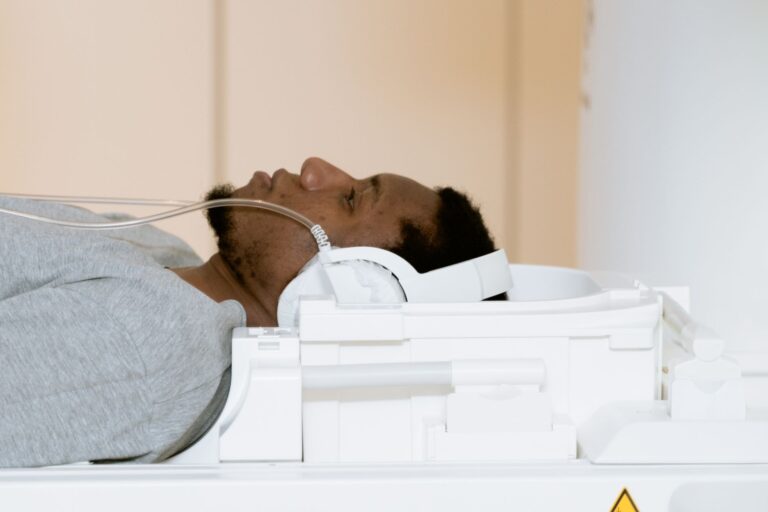
The CDR describes impact, not origin. It cannot separate Alzheimer's from vascular dementia, Lewy-body disease, frontotemporal dementia, or other causes. Two people can share the same score for different medical reasons. The Alzheimer's Association says diagnosis combines history, neurological and cognitive exams, labs, brain imaging, and biomarkers in what a full dementia diagnosis combines.
Each piece rules some causes in or out. The CDR is only the function piece. Think of it like a pain scale. The number shows how bad walking has become. It does not show arthritis, a fracture, or a nerve problem.
What should you do next?
Treat the CDR as a starting point for care and planning. Do not stop after staging. Ask for a full evaluation with labs, MRI or CT, and PET or spinal-fluid or high-accuracy blood tests when appropriate.
Depression, illness, medications, poor sleep, and normal aging can distort the rating. An informant who rarely sees daily life can also skew it. Tell the clinician about mood, sleep, new drugs, falls, and recent illness. Bring a family member who sees daily life, plus a full medication list, to that visit.
- Bring an informant who sees weekly daily life
- Bring all prescription, sleep, allergy, and supplement bottles
- List examples of missed bills, driving errors, cooking lapses, and getting lost
- Ask which cause is suspected and which test rules it in or out