Brushing your parent's hair during Alzheimer's disease can be a meaningful daily care activity that benefits both of you—research shows that gentle grooming touch reduces behavioral symptoms, strengthens emotional connection, and creates moments of calm when verbal communication becomes difficult. This personal care task, possible during the middle stage of Alzheimer's that can last 2 to 7 years, becomes more than hygiene: it's a way to help your parent feel respected and cared for while you yourself experience reduced stress and caregiver burden. Nearly 12 million Americans provide unpaid care to people with Alzheimer's disease, and these caregivers often search for activities that feel both practical and emotionally sustaining. If you're looking for ways to connect meaningfully during this stage, hair brushing offers a concrete, doable action grounded in how dementia care actually works.
Medical information disclaimer: This article is for general educational purposes only and does not provide medical advice, diagnosis, or treatment. Always consult a physician or other qualified health professional about symptoms, medications, tests, or treatment decisions.
Table of Contents
- Why Grooming Tasks Matter During Alzheimer's Middle Stage
- The Physical and Emotional Effects of Gentle Touch
- Creating a Grooming Routine That Works
- Personalizing Grooming to Your Parent's History
- Finding Hope in the Caregiving Relationship
- Frequently Asked Questions
Why Grooming Tasks Matter During Alzheimer's Middle Stage
The middle stage of Alzheimer's—which typically lasts 2 to 7 years—is when people retain the ability to participate in daily activities with assistance. This extended window is when hands-on personal care, including grooming, becomes both feasible and therapeutic. Your parent may no longer initiate self-care or remember to ask for help, but their body and mind can still respond to the gentle structure and touch that grooming provides.
Establishing consistent daily grooming routines around the same time each day reduces anxiety and builds familiarity that decreases caregiver burden. Personal grooming is identified as an activity that helps people with dementia feel confident, respected, and emotionally supported. The predictability itself becomes a comfort.
The Physical and Emotional Effects of Gentle Touch
Gentle physical touch, including hand massage and grooming contact, reduces behavioral symptoms and induces measurable stress reduction through lower cortisol levels within five minutes, with calming effects lasting up to one hour. These aren't side effects of brushing hair—they're central benefits.
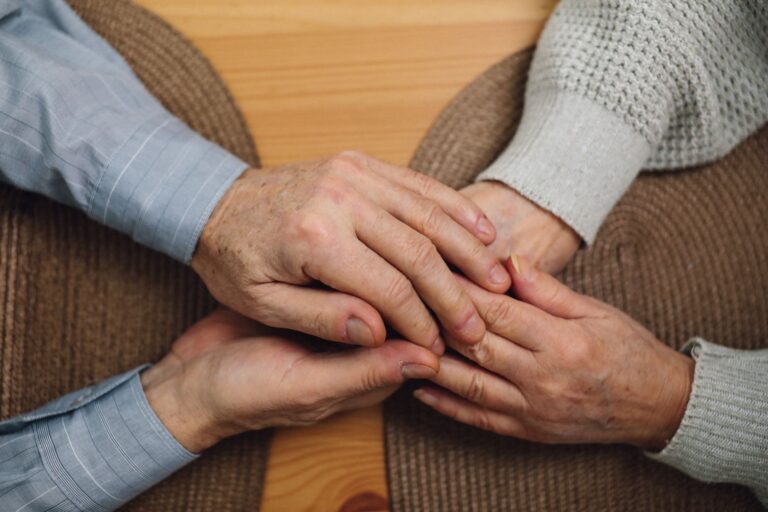
When your parent becomes agitated, resistant, or withdrawn, the steady, repetitive motion of brushing can shift their nervous system. Physical contact such as holding hands or brushing hair strengthens the bond between caregiver and care recipient while reducing stress, anxiety, and burnout for both parties, functioning as a form of non-verbal communication especially when verbal abilities decline. You're not just grooming; you're communicating care in a language your parent's body understands, even when words are gone.
Creating a Grooming Routine That Works
Set a consistent time—morning after breakfast, or afternoon before dinner—and keep the setting calm and familiar. Use the same brush, the same chair, and approach from the same side if possible. These small consistencies reduce confusion and signal to your parent's brain what to expect.
Keep the activity brief and focused. Five to ten minutes of gentle brushing is often enough to create the calming effect and avoid overstimulation. If your parent resists, pause and try again later; forcing the activity removes the emotional benefit. Watch their response—relaxed shoulders, reduced fidgeting, or a softening of their expression signal that the activity is working.
Personalizing Grooming to Your Parent's History
If your parent always valued their appearance, grooming becomes a way to honor that identity even as Alzheimer's progresses. Meaningful daily activities personalized to the person's past preferences and talents provide a sense of accomplishment and allow continued participation in family life with adapted support.
Talk gently about their hair while brushing—"You always took such good care of this"—or simply work in companionable silence. For a parent who was practical rather than appearance-focused, emphasize the functional aspect: brushing keeps their hair healthy and prevents tangles. The content of your narration matters less than the gentle rhythm and your sustained presence.
Finding Hope in the Caregiving Relationship
Caregiver burden is real; nearly 30% of Alzheimer's caregivers are themselves age 65 or older, managing their own aging while caring for a parent. Hope and resilience act as protective factors for Alzheimer's caregivers—higher levels of hope correlate with significantly lower caregiver burden and reduced depression and anxiety, even when disease severity or care demands remain constant. Grooming routines can become one of those hope-generating moments.
These small daily rituals—the routine, the touch, the continuity—create a sense of purposeful connection that sustains both of you. You're not stopping Alzheimer's. You're doing something concrete, something that feels maternal or filial, something that produces measurable calm in both your parent and yourself. That's not small.
Frequently Asked Questions
What if my parent resists being touched or groomed?
Resistance is common. Try shorter sessions, a different time of day, or a softer brush. If resistance persists, respect it—forcing contact removes the emotional benefit. Consult your parent's care team about whether resistance signals pain, sensory sensitivity, or anxiety that can be addressed differently.
Does grooming really help my parent's memory or cognition?
Grooming doesn't restore lost memory, but research on ADL-focused cognitive stimulation programs found they positively influence both the person with dementia and caregiver in daily routine and social interaction. The benefits are emotional and relational, not cognitive reversal.
How long should a grooming session last?
Five to ten minutes is typically optimal. This timeframe produces the calming effect without overstimulation or exhaustion for either of you. Quality of presence matters more than duration.