Your skin barrier consists of a carefully balanced lipid matrix made up of approximately 50% ceramides, 25% cholesterol, and 15% free fatty acids by weight. Think of it like the grout between tiles: the skin cells are the tiles, and the lipids are the grout that seals everything together.
Without that grout, water escapes and foreign substances penetrate. Barrier damage can come from over-exfoliation, harsh skincare, environmental stress, or underlying conditions like eczema. The good news is that the barrier can heal—research shows that 91.7% of pediatric patients with atopic dermatitis showed rapid improvement when switched to ceramide-dominant skincare products, and similar results appear across studies with adults and photo-damaged skin.
Table of Contents
- What Exactly is Skin Barrier Damage and Why Does Sensitive Skin Happen?
- How Does Barrier Repair Actually Work at the Cellular Level?
- Understanding Sensitive Skin—Why Some People Have It and Others Don’t
- Which Ingredients Actually Repair the Barrier—And Which Don’t?
- Timeline for Barrier Repair—How Long Does It Actually Take?
- Practical Steps for Repairing Your Barrier at Home
- The Future of Barrier Repair—Emerging Treatments and Trends
- Conclusion
What Exactly is Skin Barrier Damage and Why Does Sensitive Skin Happen?
Sensitive skin isn’t always a diagnosis; it can be either clinically validated (like eczema or rosacea) or self-perceived. Clinically, dermatologists measure barrier function by looking at transepidermal water loss (TEWL)—how much water escapes through the skin—along with visible signs like erythema (redness) and scaling. When your barrier is intact, TEWL stays low. When it’s damaged, water floods out rapidly, leaving cells dehydrated and inflamed. Your skin responds with itching, burning, stinging, and increased susceptibility to irritants that wouldn’t normally bother you. The damage typically comes from mechanical or chemical assault. Over-exfoliating—whether with physical scrubs, strong actives like retinoids, or acid exfoliants used too frequently—literally strips away the protective lipid layer.
Using harsh cleansers removes natural oils. Environmental factors like cold wind, low humidity, or pollution can also stress the barrier. Even some skincare that sounds gentle, like certain essential oils or fragrances, can trigger inflammation and destabilize the lipid matrix. The irony is that many people with sensitive skin use more actives to address their concerns (acne, hyperpigmentation, aging), which damages the barrier further and makes sensitivity worse. What’s important to understand: a compromised barrier doesn’t heal automatically. The skin can’t spontaneously regenerate the right lipid balance on its own. You have to actively supply the missing components—ceramides, cholesterol, and fatty acids in the right proportions—for the barrier to reseal.
How Does Barrier Repair Actually Work at the Cellular Level?
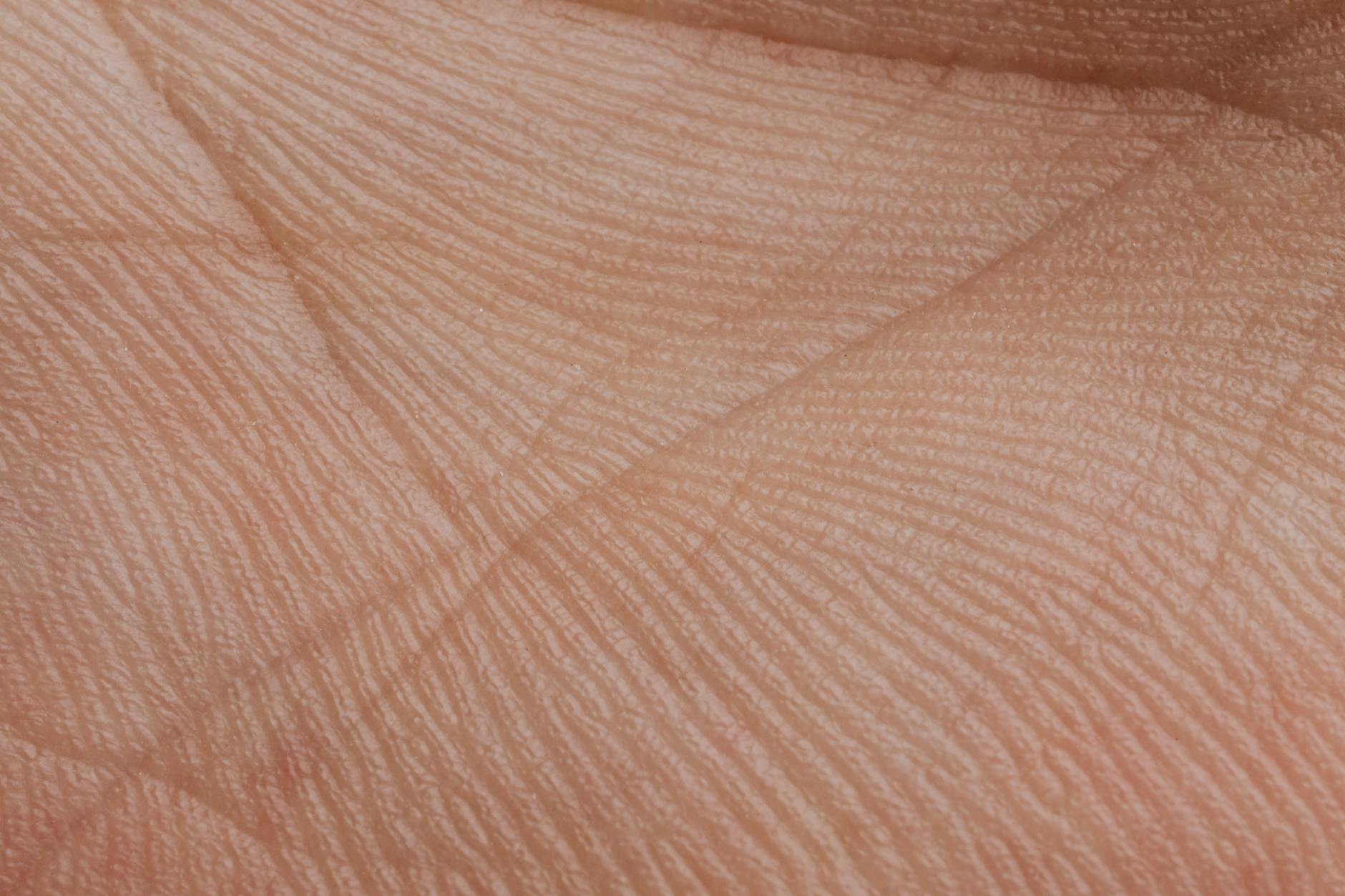
The science here is straightforward but often oversimplified in marketing. Your stratum corneum—the outermost layer of dead skin cells—isn’t actually dead. Those cells still actively regulate lipid composition and communicate via enzymes and proteins. When you apply a barrier-repair product with the right lipids, several things happen. First, the ceramides, cholesterol, and fatty acids fill microscopic gaps in the lipid matrix, reducing TEWL immediately. Second, over days or weeks, these topical lipids signal living skin cells underneath to ramp up their own lipid production, essentially retraining the skin to make more barrier-protecting lipids on its own. Research has identified over 400 species and 12 subclasses of ceramides in human skin.
Not all ceramides are equal—some are more anti-inflammatory, others better at water retention. The most effective formulations use a 3:1:1 molar ratio of ceramides to cholesterol to free fatty acids, which mimics the skin’s natural proportions and gives the barrier the best chance to re-seal properly. A study of 29 healthy volunteers applied a biomimic moisturizer with this ratio three times daily for two weeks after laser treatment and showed statistically significant reductions in TEWL compared to controls. This isn’t a small effect—the barrier function improved measurably in just 14 days. However, if you’re using barrier-repair products while still damaging the barrier with other irritants, you’re fighting an uphill battle. For example, if you’re applying a niacinamide moisturizer twice daily but exfoliating with a strong retinoid every night, the barrier repair will work slowly or stall altogether. You have to create a truce period where the barrier can actually heal.
Understanding Sensitive Skin—Why Some People Have It and Others Don’t
Sensitive skin exists on a spectrum. Some people have genetic predispositions to conditions like atopic dermatitis or rosacea, where the skin barrier is fundamentally weaker due to gene mutations affecting ceramide production or lipid metabolism. Others develop sensitive skin through lifestyle—overuse of actives, over-cleansing, or living in harsh climates. Still others have self-perceived sensitivity without objective barrier damage; they might experience sensitivity due to low pain thresholds, inflammatory conditions, or even psychological factors. A dermatologist can distinguish these with measurements like TEWL and visual assessment, but for practical purposes, the treatment approach is similar: supply barrier lipids and reduce irritation.
Age also plays a role. As you age, your skin naturally produces fewer ceramides and lipids, which is why barrier sensitivity often increases after your 40s or 50s. Hormonal changes—particularly menopause—can accelerate lipid depletion. This is why older adults with sensitive skin often respond very well to barrier-repair products; they’re literally missing the lipids that keep the barrier intact. A 92.5% tolerance rate in subjects with photo-damaged skin (which mimics age-related barrier breakdown) shows that barrier repair is a legitimate intervention across age groups, not just a trendy skincare category.

Which Ingredients Actually Repair the Barrier—And Which Don’t?
Not all moisturizers repair the barrier. The key difference is that true barrier-repair products must contain the three essential lipid components: ceramides, cholesterol, and free fatty acids, preferably in that 3:1:1 ratio. Humectants like glycerin and hyaluronic acid draw water into the skin, but they don’t seal the barrier—they can even make things worse if applied to very dry skin without an occlusive layer on top, because the water evaporates and leaves the skin drier than before. The most effective barrier-repair ingredients beyond the core lipids are: niacinamide, which reduces inflammation and supports your skin’s own ceramide synthesis; linoleic acid (an omega-6 fatty acid), which is anti-inflammatory and essential for lipid function; and petrolatum, which is almost comically effective at reducing TEWL—it seals out 99% of water loss compared to untreated skin.
Newer additions include postbiotics, which help rebalance the skin microbiome and reduce inflammation from within. A 2026 dermatology guide highlights niacinamide and linoleic acid as standard ingredients in barrier repair protocols because they support the skin’s own repair machinery, not just patch the problem temporarily. The limitation here: barrier-repair products work best on intact skin. If you have active eczema flares, open sores, or severe inflammation, you may need prescription topicals first to reduce inflammation before barrier repair products can be effective. Similarly, if you’re using a retinoid, you should usually wait until your skin acclimates (typically 6-8 weeks) before layering in intensive barrier repair, because both are asking the skin to adapt rapidly.
Timeline for Barrier Repair—How Long Does It Actually Take?
The timeline depends on damage severity. Mild barrier disruption—the kind you get from one round of aggressive exfoliation or a few days of harsh weather—typically shows visible improvement within 2 weeks of consistent barrier repair. You’ll notice less redness, stinging, and tightness. Moderate damage, like chronic over-exfoliation or a chemical peel recovery, usually takes 4-6 weeks for full stabilization, with the most dramatic improvement happening in the first 3 weeks. Severe damage—think deep chemical burns, extreme eczema flares, or years of over-exfoliation—can take 8-12 weeks to fully stabilize, and may require a dermatologist’s supervision. The timeline also depends on how consistently you use barrier-repair products and whether you stop the behavior that damaged the barrier in the first place.
If you repair your barrier by day but exfoliate heavily at night, you’re essentially resetting the healing process daily. One realistic example: a 35-year-old with sensitized skin from daily retinoid use stops the retinoid, switches to a minimal routine with a ceramide-heavy moisturizer applied twice daily, and uses a gentle cleanser. By week 2, her redness decreases noticeably. By week 4, she can tolerate mild actives again. By week 8, her barrier feels normal and she’s ready to carefully reintroduce treatment actives at lower frequencies. This is faster than barrier repair during active irritant exposure.

Practical Steps for Repairing Your Barrier at Home
The barrier repair protocol is simple in principle but requires discipline in execution. First, strip your routine to essentials: a gentle cleanser, a barrier-repair moisturizer (with ceramides, cholesterol, and fatty acids), and sunscreen. Skip all actives—retinoids, vitamin C, chemical exfoliants, physical exfoliants, essential oils, and strong fragrances. This isn’t forever, just for 4-6 weeks. Second, moisturize consistently, ideally twice daily, and consider layering an occlusive like petrolatum or a richer cream over your moisturizer at night to lock in hydration. Third, support your barrier from the inside.
Omega-3 and omega-6 fatty acids (from fish, flaxseed, or supplements) support cellular lipid production. Adequate hydration and sleep matter because your skin does some of its repair work at night. Fourth, avoid hot water and prolonged showers, which strip lipids. Use lukewarm water and limit cleansing to morning and evening. If you have very sensitive skin, even once-daily cleansing with just water might be appropriate for a few weeks. Fifth, be patient. Barrier repair is slower than seeing results from a strong active, but it’s permanent in a way that actives aren’t—once your barrier is genuinely healthy, it stays resilient much longer.
The Future of Barrier Repair—Emerging Treatments and Trends
The skincare industry has labeled 2025-2026 as the “Year of the Barrier,” and for good reason. For decades, dermatology focused on actives—retinoids, acids, vitamin C—that worked by controlled irritation. Now the field is shifting toward understanding that a healthy barrier is prerequisite for everything else.
Gen Z has made “skin barrier repair” a top skincare search term, and clinical research is finally catching up to what dermatologists have long known: you can’t build healthy skin on a compromised barrier. Emerging treatments include exosome therapies, which are being positioned as a “gold standard” for cellular-level repair by delivering growth factors and ceramide-boosting signals directly to skin cells. These are more expensive and less proven than standard barrier repair but represent where the field is heading. In the meantime, the ceramide-cholesterol-fatty acid approach remains the gold standard for good reason: it works, it’s affordable, and decades of research backs it.
Conclusion
Barrier repair means actively restoring your skin’s protective lipid matrix through consistent use of ceramide-heavy moisturizers, gentle cleansing, and temporary avoidance of irritating actives. The process is straightforward—supply the lipids your skin is missing, stop damaging the barrier, and wait 4-6 weeks—but it requires patience and discipline. The science is solid: 91.7% of patients with atopic dermatitis improved rapidly with the right formulation, and similar success rates appear across clinical studies.
If you have sensitive skin, barrier repair should be your first intervention before trying new actives or treatments. A healthy barrier is not just less irritated skin; it’s skin that can tolerate beneficial treatments, regulate inflammation, and maintain hydration on its own. Think of it as foundation-building rather than quick fixes.