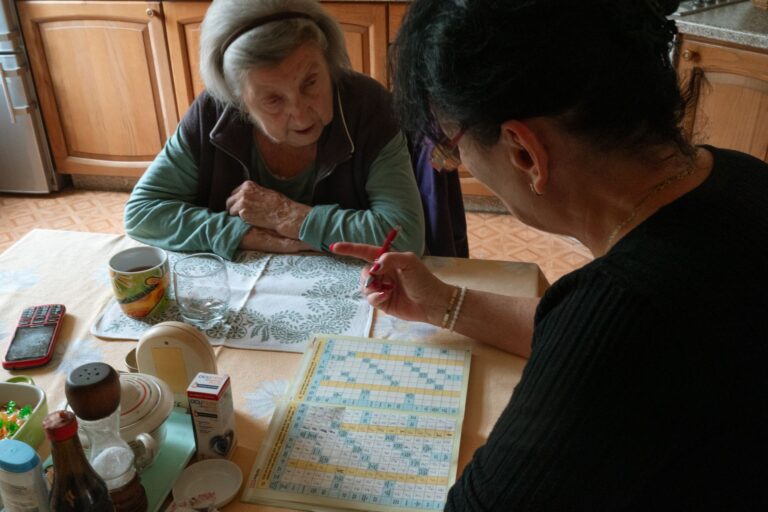
A backup plan for food pocketing in dementia respite care names the feeder, the prescribed food texture, and the relief contacts. Pocketing means holding food in the cheeks or mouth without swallowing, common in middle-to-late dementia, so caregivers should confirm each bite is swallowed before offering more, according to the National Institute on Aging in care in the last stages of Alzheimer's disease. A respite worker uses the same positioning, diet level, and one-page handoff as the regular caregiver. That consistency lowers choking risk during short-term relief.
Medical information disclaimer: This article is for general educational purposes only and does not provide medical advice, diagnosis, or treatment. Always consult a physician or other qualified health professional about symptoms, medications, tests, or treatment decisions.
Table of Contents
- Who feeds and who sets the diet?
- How do you serve each bite safely?
- What backup supplies stay ready?
- Who do you call when help is needed?
Who feeds and who sets the diet?
A speech-language pathologist diagnoses dysphagia and prescribes food textures, swallowing techniques, and exercises. Care partners attend evaluations and help prepare foods to those textures, following American Speech-Language-Hearing Association guidance.
The respite worker does not change that order. The written diet, positioning instructions, and mealtime cues stay posted where food is served and travel with the person to day centers or facilities.
How do you serve each bite safely?
Seat the person fully upright with head slightly forward. Serve soft, bite-sized foods and avoid hard items like nuts, popcorn, and raw carrots that are difficult to chew and swallow, following the Alzheimer's Association in Food and Eating guidance. Use a calm pace and small spoonfuls:.
- Offer one bite, watch the cheeks and throat, then confirm swallowing.
- Prompt a second swallow or sip if residue remains.
- Stop and allow rest if the person coughs, holds food, or becomes drowsy.
What backup supplies stay ready?
Stock backup foods to the prescribed International Dysphagia Diet Standardisation Initiative level. The system has eight levels, with drinks at levels 0-4 and foods at levels 3-7, such as pureed level 4 or soft bite-sized level 6.
Keep oral care tools with meal supplies. Daily brushing twice daily, flossing, denture cleaning, and routine dental checkups protect chewing and swallowing, according to Centers for Disease Control and Prevention guidance.
Who do you call when help is needed?
Build respite contacts before a crisis. The Eldercare Locator at 1-800-677-1116 and eldercare.acl.gov connects families to the local Area Agency on Aging for meals, home care, transportation, and respite support, according to the Administration for Community Living in its contact directory.
Keep the Alzheimer's Association 24/7 Helpline at 800-272-3900 and the ARCH National Respite Locator on the one-page handoff. For severe choking when the person cannot talk, cry, or laugh forcefully, the Mayo Clinic summary of American Red Cross first aid directs five back blows between the shoulder blades followed by five abdominal thrusts, alternating until clearing. No bedside swallowing screen adequately predicts aspiration, so follow the written diet and positioning orders rather than judging safety by coughing alone.