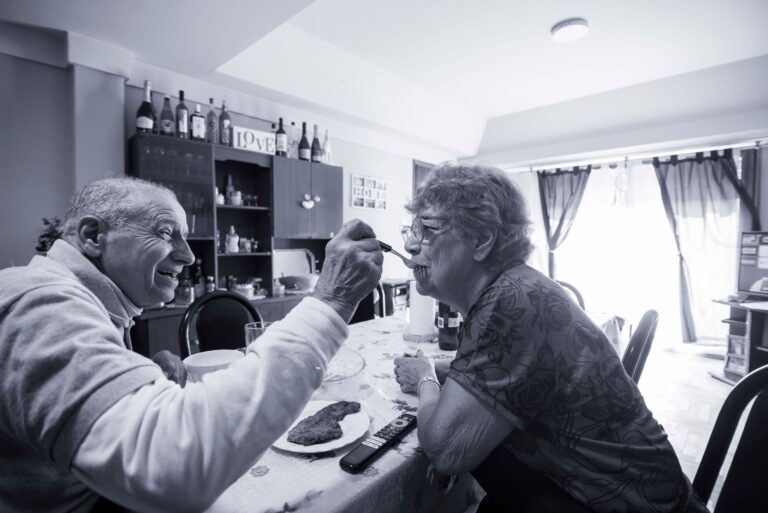
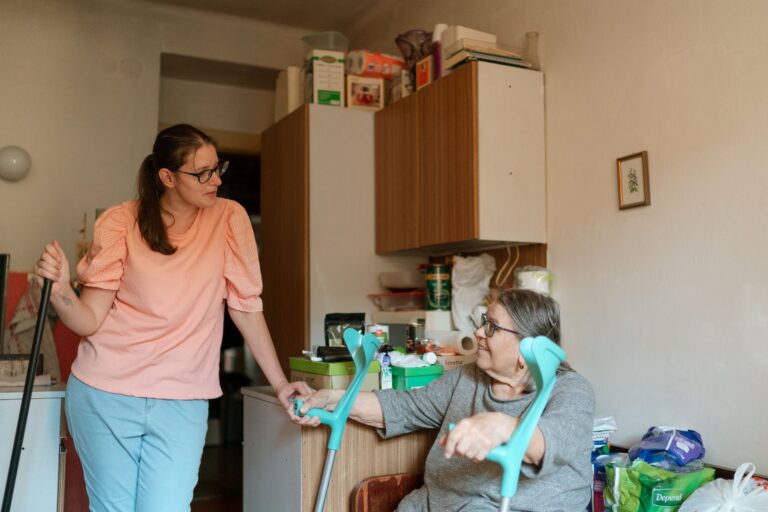
A step-by-step plan for food pocketing in respite care means seating the person upright, offering small bites with clear prompts, and checking the mouth is clear before the next bite. Pocketing means holding food in the cheeks, under the tongue or along the gums after swallowing. East Sussex Healthcare NHS Trust explains in its swallowing difficulties guidance that pocketing is common in dementia because of reduced attention and slowed chewing-swallowing coordination. A consistent routine helps respite staff and family carers respond the same way at every meal.
Medical information disclaimer: This article is for general educational purposes only and does not provide medical advice, diagnosis, or treatment. Always consult a physician or other qualified health professional about symptoms, medications, tests, or treatment decisions.
Table of Contents
- How do you set up safe seating?
- What is the bite-by-bite routine?
- How do you keep meals calm and manageable?
- When should you seek professional help?
How do you set up safe seating?
Seat the person fully upright for meals, with hips at about 90 degrees and head neutral or chin slightly tucked. Sussex Community NHS Trust describes this position in its swallowing referral guidance. Keep the feet supported and the table close.
Keep the person upright for about 30 minutes afterward. This pause gives extra time for delayed swallows and lowers the chance food remains in the mouth or throat. Share this timing with all respite helpers so cover staff follow it.
What is the bite-by-bite routine?
Offer small amounts at a time and wait for each swallow. Bradford District Care NHS Foundation Trust recommends short prompts such as "chew, now swallow" in its mealtime concerns guidance. Check the mouth is clear before offering the next bite.
Use the same order every time so the person knows what comes next: If food stays in a cheek, prompt another swallow or a sip if allowed. Avoid finger-sweeping food out unless trained to do so safely. Record repeated pocketing for handover to the usual care team.
- place one small bite or sip within reach
- say "chew, now swallow," then pause
- look and ask for an open mouth check
- offer the next bite only when clear
How do you keep meals calm and manageable?
Keep meals unhurried, familiar and calm. Offer one or two foods at a time to reduce distraction. Use known dishes, regular seats and the same plate or cup. Offer finger foods and frequent small meals when attention fades.
Soft sandwiches, cheese cubes, cooked vegetable sticks and small fruit pieces are easier to manage than mixed plates. Encourage eating without forcing, and pause or end the meal if the person turns away, clamps the mouth or becomes distressed. Limit noise, television and extra conversation during bites. One person should give prompts while another helper stays quiet. This focus helps the person finish each swallow before pocketing starts.
When should you seek professional help?
In middle- and late-stage Alzheimer's, swallowing problems can cause choking, food or liquid entering the lungs, aspiration pneumonia, weight loss and malnutrition. Watch for coughing, gurgly voice, chest infections, food loss, trouble starting a swallow or ongoing pocketing. If these signs persist, request GP referral to speech-and-language therapy for a swallowing assessment. Bring notes on foods eaten, pocketing episodes, coughing and weight change.
Respite staff should pass this record to the next carer. Do not start thickened fluids or a modified-texture diet on your own. Royal Surrey NHS Foundation Trust states these changes require assessment by a dysphagia-trained practitioner or speech-and-language therapist. When texture change is advised, clinicians use the International Dysphagia Diet Standardisation Initiative framework of eight levels.