What is the fast scale for staging alzheimers disease

The FAST scale — short for Functional Assessment Staging Test — is a clinical tool used to measure the progression of Alzheimer's disease across seven...

The FAST scale — short for Functional Assessment Staging Test — is a clinical tool used to measure the progression of Alzheimer's disease across seven...

Yes, a primary care doctor can diagnose dementia — and in many cases, they are the first and sometimes only physician involved in making that...

When a radiologist uses the word "encephalomalacia" in an MRI report, it means that an area of brain tissue has died and been replaced by cerebrospinal...
Tau protein testing helps diagnose Alzheimer's disease by detecting abnormal accumulations of tau in the brain and cerebrospinal fluid, offering...
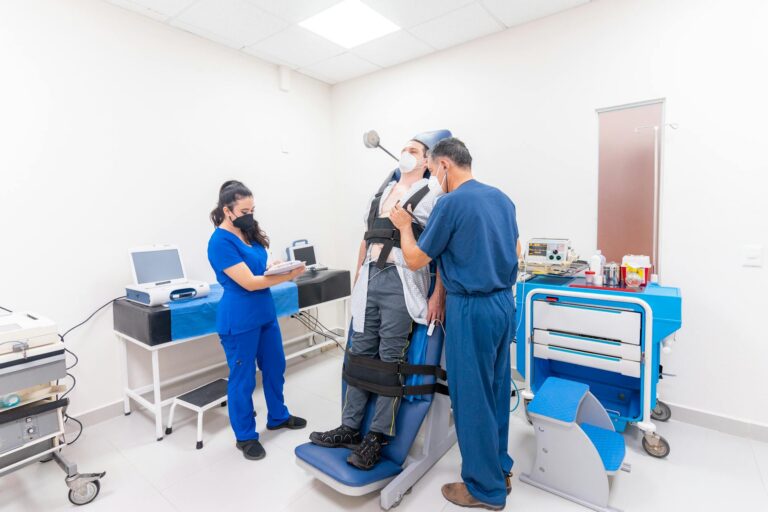
An ADL assessment for dementia patients is a structured clinical evaluation that measures how well a person can perform the basic and complex tasks...

Yes, dementia can be and frequently is misdiagnosed — and the error rates are higher than most people assume.

When a radiologist notes "global cerebral atrophy" on a brain scan report, it means that neurons and the connections between them have been lost across...

At-home dementia tests you can buy or download online are screening tools, not diagnostic instruments, and their accuracy varies considerably depending on...
The Global Deterioration Scale, commonly known as the GDS or the Reisberg Scale, is a seven-stage clinical framework used to measure the severity of...

A neurologist cannot reliably diagnose dementia in a single visit in most cases. The short answer is that one appointment is rarely enough — and expecting...