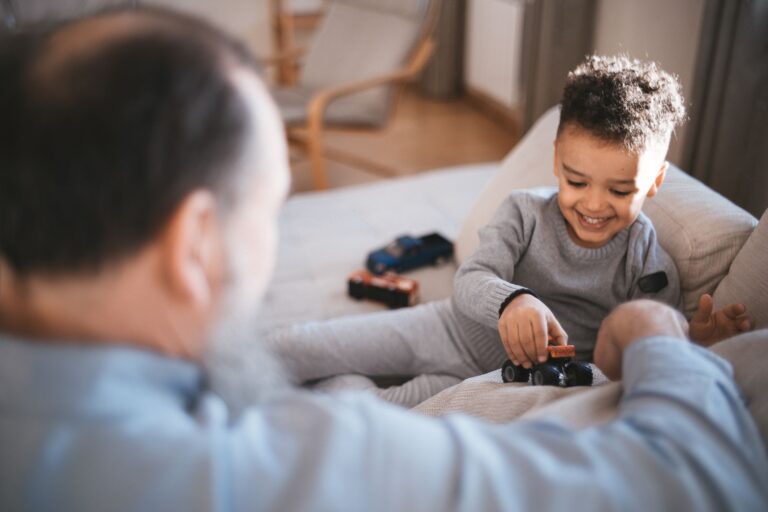
Yes, musical toys can help many Alzheimer's patients in memory care. Musical toys here mean simple instruments like maracas, shakers, bells, and hand drums. They can lift mood, support steadier behavior, and spark connection during daily care.
They work best with active, personal use rather than background play. Response varies by taste, hearing, grip strength, and dementia stage. Caregivers can test a few options and keep what brings a calm, pleased response.
Medical information disclaimer: This article is for general educational purposes only and does not provide medical advice, diagnosis, or treatment. Always consult a physician or other qualified health professional about symptoms, medications, tests, or treatment decisions.
Table of Contents
- What help can you expect?
- Why does familiar music work better?
- How should you use musical toys?
- What are the limits?
What help can you expect?
Being Patient reports on a 2025 Cochrane review of 30 studies with 1,720 participants, mostly in care homes summary of the 30-study review. The review found music therapy probably eases depressive symptoms and may improve overall behavior. Low mood, withdrawal, and distress may lessen while sessions continue. The Institute for Music and Neurologic Function, via Being Patient, describes severely impaired residents singing familiar lyrics. Some could not state their own identity, yet they could join the song.
Music uses widely spread brain networks, which helps explain why a known song can still reach a person. Researchers at the UCSF Music and Dementia Research Network state these programs aim to support health of older adults with Alzheimer's and care partners. A randomized trial indexed in PubMed found less agitation and better falls efficacy when people with mild-to-moderate dementia walked while making music. Falls efficacy means confidence about keeping balance while walking. A five-week pilot with 17 patients ages 63-93 paired personal lyrics with instruments such as maracas and tracked behavior with NPI-Q and MiDAS scales. These scales track behavior and musical engagement.
Why does familiar music work better?
Practical Neurology notes individualized and familiar music works better for dementia patients music and dementia overview. Caregivers should choose songs the person likes and play them without interruptions. Generic background music is less likely to engage. A loved song links to memory, voice, and movement.
The person may hum, clap, tap a shaker, or smile. That active response gives staff a clear sign to continue. Family playlists help. Ask relatives for wedding songs, hymns, folk tunes, or radio hits from youth. Keep volume modest, reduce room noise, and watch for signs of dislike.
How should you use musical toys?
Pick light, safe tools with easy grips. Maracas, egg shakers, tambourines, frame drums, and large bells work well. Avoid small parts, sharp edges, and loud electronic sounds.
Match the toy to ability. A person who can grasp can shake. A person with weak grip can tap a drum or hold a bell with help. Play together rather than handing over the toy alone.
- Start with one familiar song, interruption-free, at modest volume.
- Offer one toy, show the beat, and sing along.
- Keep sessions brief and watch hands, eyes, and breathing.
- Repeat liked songs at the same calm time each day.
What are the limits?
Being Patient reports on the same Cochrane review that evidence for lasting gains in thinking or agitation is weak longer-term findings. Benefits may fade within weeks after sessions stop. Regular, ongoing use matters more than a short trial.
Practical Neurology notes agitation affects more than half of dementia cases. Music can help agitation, but puzzles, robotic animals, or squeeze balls may work as well. Choose the tool that calms this person, not the one labeled musical.