The short answer is yes — anthocyanins, the pigments that give blueberries, cherries, and purple cabbage their deep color, are among the most promising dietary compounds for protecting brain health. A sweeping 2025 meta-analysis of 59 randomized controlled trials found that anthocyanin supplementation significantly improved global cognition, with measurable benefits across six cognitive domains including memory, attention, and verbal fluency. For anyone concerned about age-related cognitive decline or dementia risk, these compounds deserve serious attention — not as a miracle cure, but as one of the few dietary interventions with a growing body of rigorous clinical evidence behind it.
Consider this: the average American consumes roughly 12.5 milligrams of anthocyanins per day, according to NHANES data. Meanwhile, research suggests that as little as one-third cup of blueberries — providing about 50 milligrams — may be enough to begin mitigating disease risk. That gap between what most people eat and what the science supports is striking. This article covers what anthocyanins actually do in the brain, the clinical trials testing them in people with mild cognitive impairment and Alzheimer’s disease, how the gut-brain axis fits into the picture, and practical guidance on how to incorporate more of these compounds through ordinary food.
Table of Contents
- What Makes Anthocyanins Different from Other Nutrients for Brain Health?
- What Does the Clinical Trial Evidence Actually Show?
- Anthocyanins in Alzheimer’s Disease and Dementia Prevention
- Which Purple Foods Deliver the Most Anthocyanins?
- The Gut-Brain Connection and Why It Matters
- How a Simple Dietary Shift Could Make a Measurable Difference
- What Comes Next in Anthocyanin Research
- Conclusion
- Frequently Asked Questions
What Makes Anthocyanins Different from Other Nutrients for Brain Health?
Anthocyanins belong to the flavonoid family — the same broad class of plant compounds found in tea, dark chocolate, and citrus fruits. But among flavonoids, anthocyanins are considered the most promising subclass for cognitive protection, and for a specific reason: they are one of the few dietary compounds that can cross the blood-brain barrier. Most nutrients we consume never reach the brain directly. The blood-brain barrier is a tightly regulated gateway that blocks the vast majority of circulating molecules. Anthocyanins get through, which means they can act on brain tissue rather than simply circulating in the bloodstream and hoping for indirect effects. Once inside the brain, they work through several overlapping mechanisms.
They enhance cerebral blood flow by promoting nitric oxide production, which widens blood vessels feeding the brain. They reduce oxidative damage by neutralizing free radicals that injure neurons. They modulate inflammatory pathways, specifically by inhibiting NF-κB signaling and reducing microglial activation — the brain’s own immune response, which can become destructive when chronically elevated. And they appear to enhance synaptic function and promote neurogenesis, meaning the growth of new neurons. Compare this to something like vitamin E, which is also an antioxidant but does not cross the blood-brain barrier as readily and lacks the anti-inflammatory and neurogenic effects. Anthocyanins are not simply antioxidants — they are multi-mechanism neuroprotectants.
What Does the Clinical Trial Evidence Actually Show?
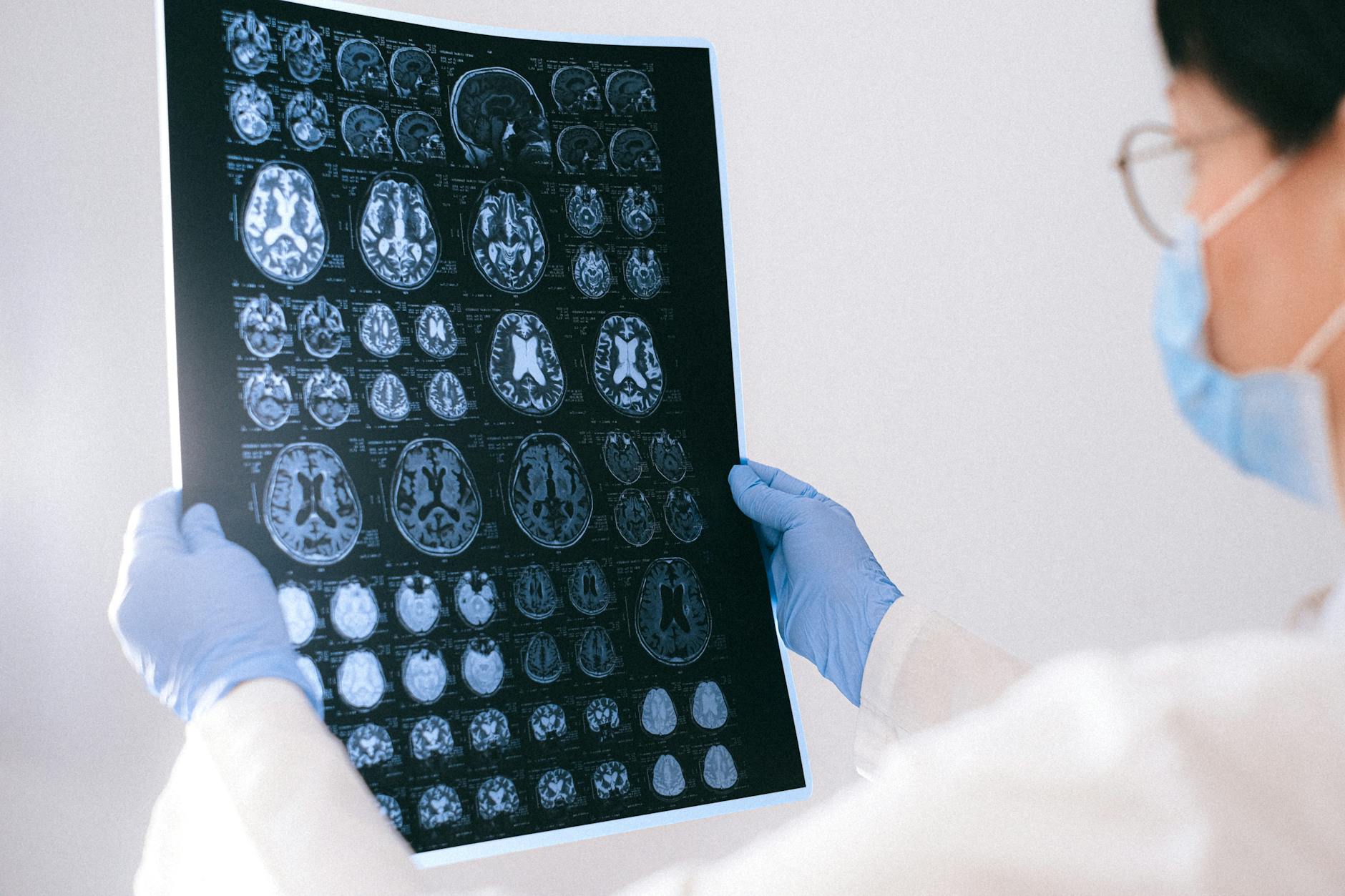
The most comprehensive look at the evidence to date comes from a 2025 meta-analysis published in GeroScience, which pooled data from 59 randomized controlled trials. The results showed statistically significant improvements in global cognition, with domain-specific gains in visuospatial processing, attention, psychomotor speed, verbal fluency, episodic memory, and working memory. A separate systematic review of 30 RCTs confirmed improvements across short-term memory, verbal learning, executive function, visual-spatial function, and semantic memory. This is not a single small study making bold claims — the evidence base now spans dozens of controlled trials. One particularly notable finding: the duration of supplementation mattered more than the dose.
Longer trials produced greater cognitive improvements, while there was no significant relationship between how much anthocyanin participants consumed and the size of the effect. This is an important nuance. It suggests that anthocyanins work through gradual, cumulative biological changes — reduced inflammation, improved vascular function, shifts in gut bacteria — rather than through an acute pharmacological hit. However, this also means that people hoping for quick results from a week of blueberry smoothies are likely to be disappointed. The benefits appear to build over months, not days. Anyone starting an anthocyanin-rich diet should think of it as a long-term commitment, not a short-term intervention.
Anthocyanins in Alzheimer’s Disease and Dementia Prevention
The connection between anthocyanins and Alzheimer’s disease goes beyond general cognitive improvement. Research has shown that anthocyanins regulate the free radical-mediated generation of amyloid-beta peptides — the sticky protein fragments that accumulate in the brains of Alzheimer’s patients and are considered a hallmark of the disease. They also appear to mitigate neuroinflammation and tauopathy, the other major pathological feature of Alzheimer’s involving tangled tau proteins inside neurons. A 12-week randomized controlled trial tested 200 milliliters per day of cherry juice in adults over 70 who had been diagnosed with mild-to-moderate Alzheimer’s disease.
Compared to the control group, those drinking cherry juice showed improvements in verbal fluency, short-term memory, and long-term memory. This is a modest intervention — roughly a small glass of cherry juice daily — producing measurable cognitive gains in people who already had the disease, not just those at risk. Population-level data reinforces this: studies have found that people consuming anthocyanin- and flavonoid-rich diets had a significantly lower risk of developing dementia and Alzheimer’s compared to those with flavonoid-poor diets. Looking ahead, the “Food for Thought” trial — a multicentre, six-month randomized controlled trial — is actively investigating whether anthocyanin consumption can prevent memory loss progression in older adults at risk for dementia. Results from that trial will add substantially to the evidence base.
Which Purple Foods Deliver the Most Anthocyanins?
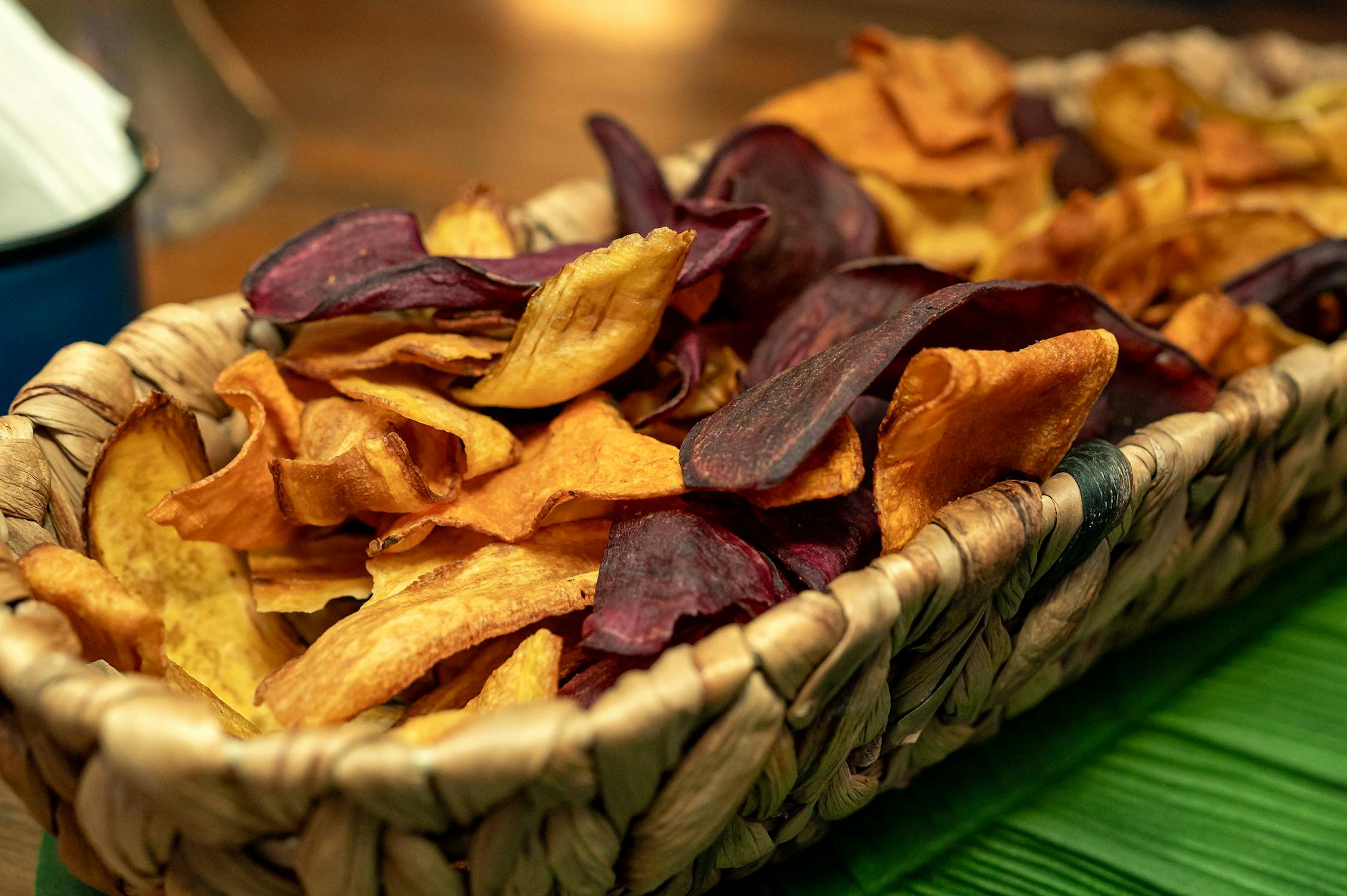
Not all purple foods are created equal. Wild blueberries lead the pack among common fruits, with approximately 487 milligrams of anthocyanins per 100 grams — roughly four times the concentration found in cultivated blueberries. Blackberries, cherries, concord grapes, and purple sweet potatoes are also strong sources. Red cabbage, black carrots, purple corn, and eggplant round out the list, though eggplant concentrates its anthocyanins almost entirely in the skin, so peeling it eliminates most of the benefit. China has become the first country to propose an official recommended intake of 50 milligrams per day. To put that in perspective, one-third cup of blueberries provides roughly 50 milligrams. That is a low bar compared to what participants in clinical trials typically consumed.
The tradeoff worth considering is cost and availability. Wild blueberries are seasonal and often more expensive than cultivated varieties. Frozen wild blueberries retain their anthocyanin content well, making them a practical year-round option. Purple sweet potatoes and red cabbage are inexpensive and available in most grocery stores but are less commonly eaten in Western diets. The practical approach is variety — rotating among several purple and red foods rather than relying on a single source. Cooking does degrade anthocyanins somewhat, so raw or lightly cooked preparations preserve more of the compounds. Steaming red cabbage, for instance, retains more anthocyanins than boiling it.
The Gut-Brain Connection and Why It Matters
One of the more fascinating recent findings involves how anthocyanins interact with gut bacteria before ever reaching the brain. A 2025 study published in Scientific Reports tested an anthocyanin-rich extract from black carrots on patients with cognitive impairments. The researchers found that the extract increased EEG connectivity across alpha, beta, and gamma frequency bands, suggesting improved neural communication between brain regions. But the study also documented changes in gut microbiota composition — the mix of bacteria living in the participants’ digestive tracts shifted alongside the brain changes. This is not coincidental. Anthocyanins are known to modulate gut bacteria, increasing the production of short-chain fatty acids, which reduce systemic inflammation and influence brain function through the vagus nerve and other gut-brain pathways.
The implication is that some of the cognitive benefits of anthocyanins may be mediated through the gut rather than through direct action on the brain. This is a limitation worth noting: individuals with severely disrupted gut microbiomes — from chronic antibiotic use, inflammatory bowel conditions, or highly processed diets — may not experience the same degree of benefit until their gut health is addressed. The anthocyanins need a functional microbial ecosystem to work with. A 24-week placebo-controlled trial added another wrinkle. In that study, anthocyanin treatment showed statistically significant cognitive improvement specifically in individuals with high baseline inflammation levels. Participants also saw reduced LDL cholesterol and C-reactive protein levels. This suggests that people who are already experiencing chronic inflammation — a common feature of aging and many metabolic conditions — may stand to benefit the most.
How a Simple Dietary Shift Could Make a Measurable Difference
The gap between current intake and potentially beneficial intake is not difficult to close. Moving from the average 12.5 milligrams per day to the proposed 50-milligram target requires adding roughly one-third cup of blueberries, a small glass of cherry juice, or a serving of red cabbage to a daily meal.
For a person caring for a family member with early cognitive decline, this is one of the few interventions that carries essentially no risk, requires no prescription, and has a growing body of controlled trial evidence behind it. Adding a handful of frozen wild blueberries to morning oatmeal, for instance, delivers a meaningful dose of anthocyanins without requiring any special preparation or expense.
What Comes Next in Anthocyanin Research
The field is moving from establishing whether anthocyanins help cognition to understanding who benefits most and why. The “Food for Thought” trial will offer some of the first long-term prevention data. Research on the gut-brain axis is opening new questions about whether combining anthocyanin-rich foods with probiotics or prebiotics could amplify effects.
The 2025 finding that a single 400-milligram acute dose of haskap berry anthocyanins improved episodic memory in older adults — published through News-Medical — suggests that even short-term supplementation at higher doses may have immediate effects, though the long-term relevance of single-dose studies remains unclear. What is clear is that the evidence base has matured past the point of speculation. Anthocyanins are no longer a theoretical candidate for brain health. They are a dietary factor with decades of mechanistic data and now dozens of clinical trials confirming real cognitive benefits.
Conclusion
Anthocyanins are among the best-supported dietary compounds for brain health, with evidence spanning basic neuroscience, population studies, and dozens of randomized controlled trials. They cross the blood-brain barrier, reduce neuroinflammation, combat amyloid-beta accumulation, improve cerebral blood flow, and support the growth of new neurons. Clinical trials have shown measurable cognitive improvements in healthy older adults, people with mild cognitive impairment, and even individuals with diagnosed Alzheimer’s disease. The duration of intake matters more than the dose, and the gut-brain connection appears to play a meaningful role in how these benefits unfold.
The practical takeaway is straightforward: most people consume far less than the amount associated with cognitive protection. Adding a daily serving of wild blueberries, cherries, red cabbage, or purple sweet potatoes is a low-cost, low-risk step that aligns with the current evidence. This is not a replacement for medical care, physical activity, or other well-established dementia prevention strategies. But as one piece of a broader approach to brain health, the case for eating more purple food has become difficult to ignore.
Frequently Asked Questions
How many anthocyanins do I need to eat each day for brain health benefits?
China has proposed the first national recommended intake at 50 milligrams per day, which can be achieved with roughly one-third cup of blueberries. Clinical trials have used a range of doses, but the meta-analysis evidence suggests that the duration of regular consumption matters more than hitting a specific daily amount.
Are supplements better than whole foods for getting anthocyanins?
Most clinical trials used either whole food sources (like cherry juice or blueberry powder) or concentrated extracts. There is currently no strong evidence that supplements outperform whole foods, and whole foods provide additional fiber, vitamins, and other flavonoids that may work synergistically. That said, standardized supplements can deliver consistent doses when seasonal produce is unavailable.
Can anthocyanins help someone who already has Alzheimer’s disease?
A 12-week trial found that 200 ml per day of cherry juice improved verbal fluency and both short- and long-term memory in adults over 70 with mild-to-moderate Alzheimer’s. This is promising, but the evidence is still limited and should not be treated as a substitute for medical treatment. The strongest evidence currently exists for slowing early decline and supporting cognition in at-risk populations.
Do cooking and processing destroy anthocyanins?
Heat, light, and prolonged cooking do degrade anthocyanins. Boiling is the most destructive method, while steaming and microwaving retain more of the compounds. Frozen berries retain anthocyanin content well, making them a practical option. Fermented foods like red wine also contain anthocyanins, though alcohol introduces its own set of risks for brain health.
Which food has the most anthocyanins?
Wild blueberries contain approximately 487 milligrams per 100 grams, making them the richest common source. Blackberries, black carrots, purple sweet potatoes, and concord grapes are also concentrated sources. Red cabbage is an affordable, widely available option that is often overlooked.
Are there any risks or side effects from eating too many anthocyanin-rich foods?
At dietary levels, anthocyanins are considered very safe. No significant adverse effects have been reported in clinical trials. The main practical limitation is that very high intake of deeply pigmented foods can cause temporary discoloration of urine or stool, which is harmless. People taking blood-thinning medications should consult their doctor, as high flavonoid intake may theoretically interact with anticoagulants.