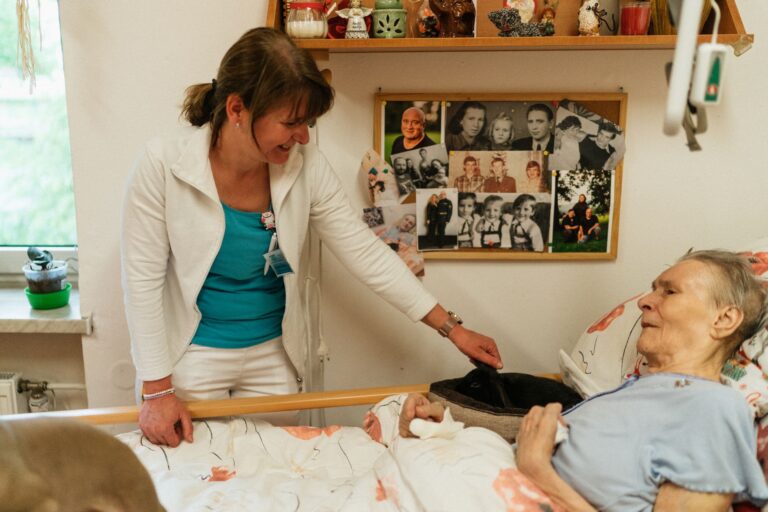
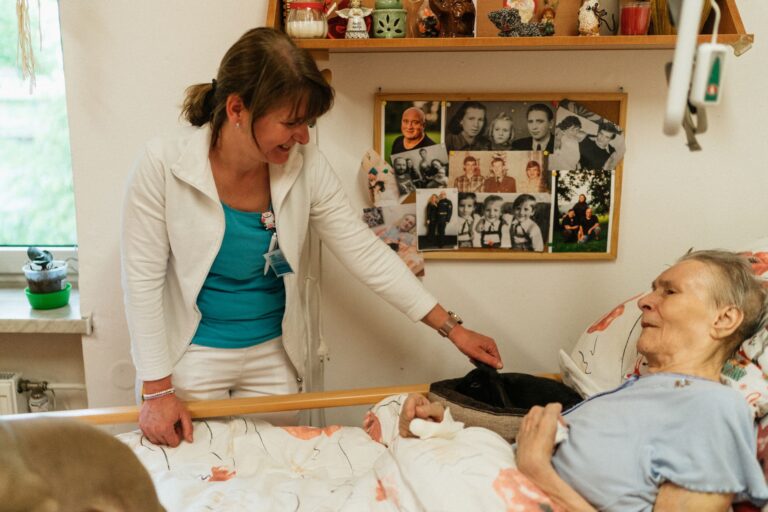
When a person with early-stage dementia loses interest in doll therapy—the use of a lifelike doll for comfort or engagement—offer familiar adult activities, meaningful roles, exercise, music, or reminiscence instead. Match each option to current ability and enjoyment, while preserving the person's choice and independence. Doll use is documented mainly in later-stage dementia, according to the Alzheimer's Society activities handbook. A 2024 review in Geriatric Nursing found behavioral and psychological improvements among older nursing-home residents, but no significant cognitive improvement.
Medical information disclaimer: This article is for general educational purposes only and does not provide medical advice, diagnosis, or treatment. Always consult a physician or other qualified health professional about symptoms, medications, tests, or treatment decisions.
Table of Contents
- Why early-stage needs are different
- Practical alternatives to try
- Adapt a familiar activity before replacing it
- Use reminiscence without testing memory
- Build a flexible trial plan
Why early-stage needs are different
People in early-stage dementia are often largely independent. They may still work, volunteer, drive, manage routines, and participate in long-standing interests, as the Alzheimer's Association explains. This makes adapted hobbies and purposeful responsibilities strong alternatives to doll therapy.
A person who once cooked may still enjoy preparing ingredients. A gardener might water plants, arrange flowers, or choose what to grow. Avoid treating the activity as a test or assigning something simply because it is labeled "for dementia." Start with the person's identity, habits, and preferences. If the doll now feels uncomfortable, childish, or uninteresting, put it away without pressure.
Practical alternatives to try
The best replacement depends on what the person enjoyed about the doll. If it provided companionship, consider pet care, time with children, or a small social visit. If it offered something to hold or tend, try folding laundry, arranging flowers, or caring for plants.
The National Institute on Aging identifies cooking, gardening, household tasks, walking, exercise, music, dancing, pet care, and time with children as practical options when they match current ability. Useful choices include: Offer one or two options rather than a long menu. A clear choice—"Would you rather take a walk or play some music?"—supports control without creating unnecessary demands.
- Preparing a familiar snack with ingredients already measured
- Watering plants or filling a bird feeder
- Walking a known route with company
- Sorting household items or folding towels
- Listening, singing, or moving to familiar music
Adapt a familiar activity before replacing it
An old interest may still work after its complexity, duration, or setting changes. Someone overwhelmed by a large gathering might enjoy coffee with one friend. A complicated recipe can become one manageable cooking task.
Adjust one feature at a time: Watch the person's response rather than focusing only on task completion. Smiling, relaxed attention, conversation, or voluntary participation suggest a good fit. Anxiety, distraction, irritability, or repeated attempts to leave suggest changing the task, simplifying it, or taking a break.
- Shorten the activity.
- Reduce noise, clutter, or the number of people.
- Prepare supplies in advance.
- Divide the task into simple, useful steps.
- Demonstrate the first step without taking over.
Use reminiscence without testing memory
Reminiscence uses photographs, keepsakes, music, scents, and familiar places to invite long-term memories and connection. It can replace the emotional comfort of doll therapy without requiring the person to care for an object. Keep the exchange open and enjoyable.
Instead of asking, "Who is this?" try, "This looks like a happy day," or "I love that blue car." The purpose is shared attention, not proving whether the person remembers names, dates, or events correctly. Follow the person's lead. If a photograph, song, scent, or place causes distress, move to something else rather than pressing for an explanation.
Build a flexible trial plan
Try an activity at a time when the person is usually alert, and keep the first attempt brief. Record what was offered, how much support it required, and whether the person seemed content, bored, anxious, distracted, or irritable. A balanced routine can include physical, creative, intellectual, social, spiritual, and work-like activities.
It does not need to fill every hour. Rest is an appropriate response when engagement falls. Preserve autonomy whenever there is no immediate safety risk. Let the person perform the parts they can manage, provide supervision when needed, and step in only for the parts that now exceed their ability.