Reviewed by the Help Dementia Editorial Team — our editors review every article for accuracy against guidance from the National Institute on Aging, the Alzheimer’s Association, and peer-reviewed sources.
Aleve-D may help reduce snoring from a cold, but the answer isn’t straightforward. The medication contains two active ingredients: naproxen sodium (a pain reliever and anti-inflammatory) and pseudoephedrine hydrochloride (a decongestant). While naproxen won’t directly affect snoring, the pseudoephedrine component can help clear nasal congestion, which is often a major cause of cold-related snoring. Clinical research suggests that pseudoephedrine combination therapy helped 16 of 23 patients experience disappearance of snoring and related breathing episodes.
However, this benefit comes with important trade-offs you need to understand before using the medication. If you’ve ever noticed yourself or a loved one snoring more intensely during a cold, that’s primarily because congestion narrows the airway, forcing air through a partially blocked passage. Plain Aleve (naproxen alone, without the decongestant) won’t address this congestion. You specifically need Aleve-D—the version formulated with pseudoephedrine—to potentially reduce the nasal blockage contributing to snoring. For people with dementia or cognitive decline, understanding these medication details becomes even more important, especially if managing sleep quality is part of your care plan.
Table of Contents
- WHAT’S THE DIFFERENCE BETWEEN ALEVE AND ALEVE-D?
- HOW THE PSEUDOEPHEDRINE COMPONENT AFFECTS BREATHING AND SLEEP
- THE NAPROXEN COMPONENT: PAIN RELIEF, INFLAMMATION, AND FEVER
- PROPER DOSING AND DURATION FOR COLD SYMPTOMS
- THE SLEEP PARADOX: POTENTIAL SNORING REDUCTION VERSUS SLEEP DISRUPTION
- CARDIOVASCULAR CAUTIONS AND WHO SHOULD AVOID ALEVE-D
- ALTERNATIVE APPROACHES TO MANAGING COLD-RELATED SNORING
- Conclusion
WHAT’S THE DIFFERENCE BETWEEN ALEVE AND ALEVE-D?
This is the fundamental distinction that changes everything about how the medication affects snoring. Regular Aleve contains only naproxen sodium, which reduces inflammation and pain but does nothing to open your nasal passages. Aleve-D adds pseudoephedrine hydrochloride, a decongestant that works by constricting blood vessels in the nasal passages to reduce swelling and allow easier breathing. Think of it this way: naproxen addresses your aching joints and headache from the cold, while pseudoephedrine addresses the stuffed-up nose.
When you can breathe through your nose more freely, your airway doesn’t collapse as much during sleep, so the vibration that causes snoring decreases. The Aleve-D product information confirms that pseudoephedrine is specifically included to treat stuffy nose alongside the cold-related headache and fever from naproxen. Many people mistakenly buy regular Aleve expecting it to help with congestion and are disappointed. If you’re choosing between them specifically for cold-related snoring, Aleve-D is the version that has the potential to help. The choice matters.

HOW THE PSEUDOEPHEDRINE COMPONENT AFFECTS BREATHING AND SLEEP
Pseudoephedrine works by shrinking the inflamed tissues in your nasal passages, which should theoretically improve airflow and reduce snoring. The research backs this up to a point—that study showing improvement in 16 of 23 patients was specifically examining how pseudoephedrine-containing medications affected snoring and sleep apnea symptoms. For people managing a cold, this decongestant effect can be genuinely valuable, especially if nasal congestion is keeping them awake. However, there’s a significant limitation here.
The improvement in snoring isn’t guaranteed, and it varies considerably from person to person. Your individual anatomy, the severity of congestion, and other factors all play a role. Additionally, the research didn’t specify whether those 23 patients were using Aleve-D specifically or other pseudoephedrine combinations, so direct evidence about Aleve-D’s effect on snoring isn’t as abundant as you might want. The decongestant effect typically peaks within the first two hours of taking the medication and can last up to 12 hours, which aligns with Aleve-D’s extended-relief design. This extended duration means you might only need to take one capsule every 12 hours, a major advantage for medication adherence in elderly populations or those with cognitive concerns about tracking multiple daily doses.
THE NAPROXEN COMPONENT: PAIN RELIEF, INFLAMMATION, AND FEVER
While pseudoephedrine handles the congestion, naproxen sodium addresses the systemic symptoms of your cold. It reduces inflammation, eases headache pain, and lowers fever—all common complaints during a cold that can interfere with sleep quality. A dose of naproxen sodium provides up to 12 hours of relief, which is substantially longer than many over-the-counter pain relievers. This extended duration is particularly helpful for overnight symptom management.
You take one Aleve-D capslet in the evening, and the medication works through the night, potentially reducing pain-related sleep disruption. For someone caring for an older adult with dementia who’s struggling with a cold, this means fewer wake-ups related to discomfort and potentially better rest for both the patient and caregiver. One important caveat: naproxen sodium works best for inflammation-related pain. If your sore throat is severe or your cough is significant, you may need additional targeted treatment beyond what Aleve-D alone provides. The medication isn’t a complete cold treatment; it’s part of a broader symptom management strategy.

PROPER DOSING AND DURATION FOR COLD SYMPTOMS
The recommended dose of Aleve-D for adults and children 12 years and older is one capslet every 12 hours, with a maximum of two capslets in a 24-hour period. This straightforward dosing schedule—essentially one capslet in the morning and one in the evening—makes it relatively easy to remember and administer, especially compared to medications requiring doses every four to six hours. However, duration limits exist for important safety reasons. You should not use Aleve-D for more than 10 consecutive days for pain or more than 3 days for fever without consulting a doctor.
Many people don’t realize this restriction and assume they can use the medication for as long as their cold lasts. If your cold persists beyond three days with fever or 10 days with pain, that’s a signal to contact your healthcare provider rather than continuing the medication on your own. For someone with dementia or cognitive decline, this timing restriction becomes a practical care consideration. A caregiver needs to mark on a calendar or medication tracker when Aleve-D was started and set a reminder for when to stop, since the person may not reliably remember these limits. This is especially true if they’re managing multiple medications for other conditions.
THE SLEEP PARADOX: POTENTIAL SNORING REDUCTION VERSUS SLEEP DISRUPTION
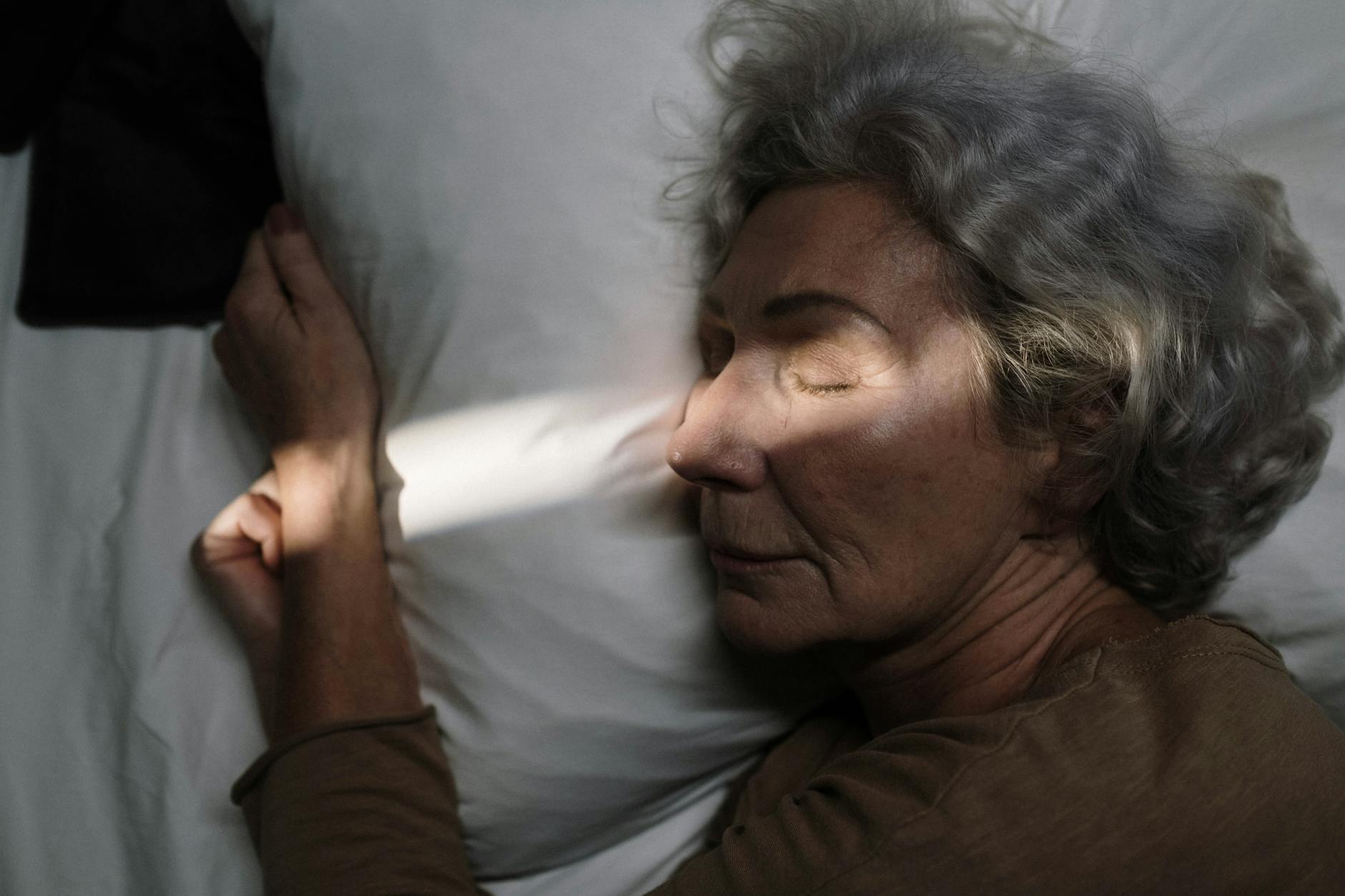
Here’s where Aleve-D presents a genuine dilemma. While the pseudoephedrine component may reduce snoring by improving nasal airflow, it can simultaneously interfere with sleep quality in another way. Severe nervousness, restlessness, and trouble sleeping are documented side effects of pseudoephedrine, particularly in some individuals. You might successfully reduce snoring while actually making it harder to fall asleep in the first place. This paradox is especially important for older adults and those with dementia.
Sleep disturbances can trigger confusion, agitation, and behavioral changes in people with cognitive decline. What seems like a straightforward solution to snoring—taking Aleve-D—might actually worsen nighttime symptoms if the stimulant effect of pseudoephedrine keeps the person awake or causes restlessness. A caregiver might notice increased confusion the next day without realizing it stems from the medication’s sleep-disrupting side effects. If you or someone you’re caring for tries Aleve-D and experiences trouble sleeping or unusual nervousness, that’s a reason to reconsider the medication, despite its potential snoring benefits. The trade-off may not be worth it. Discussing this risk with a doctor before starting Aleve-D is wise, particularly for anyone already managing sleep issues or cognitive conditions.
CARDIOVASCULAR CAUTIONS AND WHO SHOULD AVOID ALEVE-D
Pseudoephedrine can increase heart rate and blood pressure by constricting blood vessels. While this decongestant effect targets nasal passages, it affects blood vessels throughout the body. For people with uncontrolled hypertension, heart disease, or certain cardiac conditions, pseudoephedrine presents a genuine cardiovascular risk. This isn’t a minor concern—it’s a reason to avoid Aleve-D entirely in these situations. If someone you’re caring for has high blood pressure, a history of heart problems, or is taking blood pressure medications, Aleve-D may not be appropriate without explicit approval from their doctor.
Even regular Aleve (plain naproxen sodium) can interact with certain blood pressure medications and carries its own cardiovascular considerations in high-risk populations. Always review any medication, including over-the-counter options, with their healthcare provider before starting. Additionally, naproxen sodium itself carries risks for people with certain conditions. Those with kidney disease, stomach ulcers, or bleeding disorders need to avoid naproxen entirely. Aleve-D combines these risks from both components, making medical consultation particularly important before use.
ALTERNATIVE APPROACHES TO MANAGING COLD-RELATED SNORING
While Aleve-D offers one potential solution, other approaches to reducing cold-related snoring may work better for some people or provide complementary relief. Saline nasal rinses or drops can help clear congestion without the stimulant side effects of pseudoephedrine. Sleeping with the head elevated on extra pillows helps gravity assist drainage and reduces airway collapse. These methods work best alongside general cold management—staying hydrated, getting adequate rest, and using a humidifier. A humidifier adds moisture to the air, helping to reduce inflammation in nasal passages and soothe irritated airways.
Many people find this approach gentler than medication, especially for older adults with dementia who may have complex medication interactions to consider. The combination of a humidifier, saline irrigation, and positional sleep changes often provides meaningful relief without pharmacological side effects. For people with dementia specifically, managing sleep quality during illness requires a holistic approach. Good lighting cues, maintaining regular routines as much as possible during illness, and addressing discomfort from other sources (like cough or aches) all contribute to better nighttime rest and potentially less snoring. Medication is one tool, but not the only one.
Conclusion
Aleve-D—the version containing pseudoephedrine in addition to naproxen—has the potential to reduce cold-related snoring by clearing nasal congestion, based on research showing improvement in snoring symptoms when using pseudoephedrine-containing medications. However, this benefit comes with important trade-offs: the medication can cause sleep disturbance and nervousness, it carries cardiovascular risks for certain populations, and it’s only appropriate for short-term use (no more than 3 days for fever, 10 days for pain without medical consultation).
Before using Aleve-D—particularly for someone with dementia, multiple medications, or any cardiovascular or kidney concerns—consult with their healthcare provider. Non-medication approaches like saline irrigation, humidifiers, and positional adjustments may provide comparable benefit without the risks. If Aleve-D is chosen, monitor carefully for side effects, adhere strictly to the dosing schedule and duration limits, and remain alert to signs of medication-related sleep disruption or agitation, which can be especially problematic in people with cognitive decline.