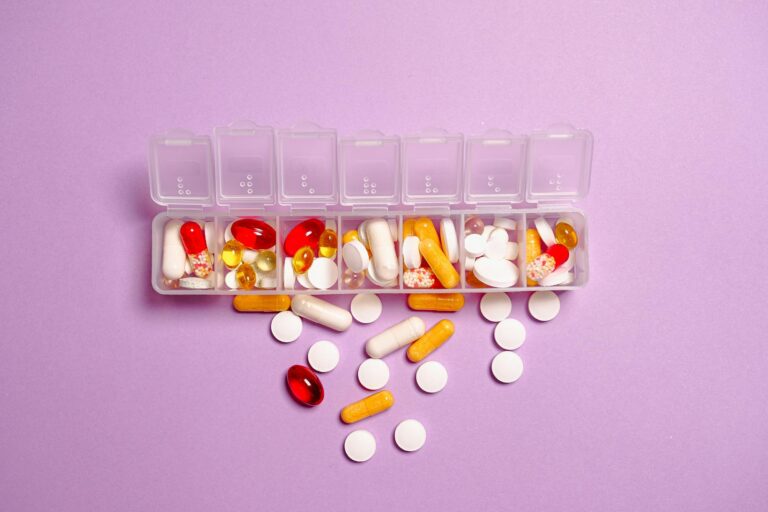
The combinations that most frequently land people in the emergency room involve alcohol mixed with opioids, benzodiazepines, acetaminophen, and blood thinners — and the numbers are staggering. Alcohol is the single most common substance in drug-related ER visits across the United States, involved in 41 to 45 percent of all such visits, according to SAMHSA’s DAWN reports from 2023 and 2024. That makes it four times more common than opioids and nearly four times more common than cannabis in emergency departments. Between 2006 and 2014, alcohol-related ER visits surged from roughly 3 million to 5 million annually — a 47 percent increase — while the total costs ballooned from $4.1 billion to $15.3 billion.
For families managing dementia care or age-related cognitive decline, these statistics carry particular weight. Older adults are more likely to be on multiple medications, more sensitive to drug interactions, and less likely to metabolize alcohol efficiently. A single glass of wine with the wrong pill can turn a quiet evening into a medical crisis. SAMHSA data shows that 16.9 percent of alcohol-related ER visits involved other substances, and those combination cases were significantly more likely to result in hospital admission than alcohol alone. This article breaks down the specific medication classes that create the most dangerous interactions with alcohol, who is most at risk demographically, and what practical steps caregivers and patients can take to prevent these emergencies.
Table of Contents
- Which Alcohol and Medication Combinations Cause the Most ER Visits?
- The Hidden Danger of Over-the-Counter Painkillers and Alcohol
- Blood Thinners and Alcohol — A Quiet Bleeding Risk
- What Caregivers and Patients Should Do Before Mixing Any Drink With Medication
- Demographic Trends That Should Alarm Brain Health Advocates
- Sleep Medications and Alcohol — A Particularly Deceptive Combination
- Where Alcohol-Medication Safety Needs to Go From Here
- Conclusion
- Frequently Asked Questions
Which Alcohol and Medication Combinations Cause the Most ER Visits?
The two drug classes most dangerously paired with alcohol are opioids and benzodiazepines, and the mechanism behind each is worth understanding. Alcohol is involved in approximately 22.1 percent of prescription opioid overdose deaths and 18.5 percent of opioid-related ER visits, according to the CDC’s Morbidity and Mortality Weekly Report. With benzodiazepines, the picture is even more alarming: alcohol plays a role in 21.4 percent of benzodiazepine-related overdose deaths and 27.2 percent of benzodiazepine-related ER visits. A full 70.7 percent of benzodiazepine-related ER visits involved polysubstance use, with alcohol being the most frequent co-substance. What makes these combinations so lethal is that the effects are synergistic, not simply additive.
Opioids suppress breathing through mu-opioid receptors, while alcohol simultaneously depresses the central nervous system through GABA-A and NMDA receptors in the brainstem. The result is that respiratory suppression hits from two directions at once, and the body’s ability to compensate collapses far faster than either substance would cause alone. The FDA was alarmed enough to issue a black box warning — the most serious type — about combining opioids with benzodiazepines, citing the risk of “extreme sleepiness, slowed or difficult breathing, coma, or death.” A North Carolina cohort study found that patients receiving both opioids and benzodiazepines had an overdose death rate ten times higher than those receiving opioids alone. Consider a common scenario in dementia care: a patient prescribed lorazepam for agitation and hydrocodone for chronic pain has a beer at dinner. Neither the patient nor an undertrained caregiver may recognize the danger. But that single drink can tip the balance from therapeutic sedation into respiratory failure.

The Hidden Danger of Over-the-Counter Painkillers and Alcohol
most people do not think of Tylenol as a dangerous drug, but acetaminophen toxicity accounts for approximately 56,000 ER visits per year in the United States — and chronic alcohol use dramatically amplifies the risk. The mechanism is specific and well-documented: the liver normally detoxifies acetaminophen’s harmful metabolite, NAPQI, using glutathione reserves. Regular alcohol consumption depletes those reserves, leaving the liver unable to neutralize NAPQI even at doses well below the labeled maximum. This means that a person who drinks regularly and takes what they believe is a safe dose of Tylenol for a headache or arthritis pain may be causing serious liver damage without any immediate warning signs. The threshold shifts downward.
What would be a perfectly safe two-pill dose for a nondrinker can overwhelm the compromised liver of someone who has three or four drinks a day. For older adults already taking multiple medications that stress the liver, or those with early-stage liver changes that haven’t yet been diagnosed, the margin of safety narrows further. However, this does not mean acetaminophen should be abandoned entirely. For patients who drink occasionally and lightly, the risk is generally manageable at standard doses. The danger escalates with chronic or heavy drinking — defined as more than two drinks per day for men or one per day for women. Caregivers should know exactly how much alcohol a patient consumes and communicate this to every prescribing physician and pharmacist, because the interaction between “just Tylenol” and “just a couple drinks” remains one of the most underestimated causes of liver failure in the country.
Blood Thinners and Alcohol — A Quiet Bleeding Risk
Warfarin is one of the most commonly prescribed anticoagulants in older adults, used to prevent strokes and blood clots. It is also one of the medications most dangerously affected by alcohol. Research published in PMC has shown that moderate-to-high alcohol use while taking warfarin is associated with an increased risk of major bleeding — and here is the part that catches many clinicians off guard — even when the INR remains within the target therapeutic range. The reason is that alcohol has its own independent antiplatelet effect, separate from warfarin’s mechanism of action. Warfarin inhibits clotting factors that depend on vitamin K. Alcohol, meanwhile, impairs platelet function directly. When both effects are active simultaneously, the patient’s blood becomes far less capable of clotting than their INR numbers suggest.
A fall, a minor cut, or internal bleeding from a stomach ulcer can become a life-threatening event. For dementia patients, who are already at elevated fall risk due to balance issues and spatial disorientation, this combination is particularly treacherous. A practical example: an 82-year-old woman on warfarin for atrial fibrillation attends a family gathering and has two glasses of wine. Her INR was checked three days earlier and was within range. That night, she trips on a rug and falls. The resulting subdural hematoma — bleeding inside the skull — progresses faster and with less ability to clot than it would have without the alcohol. This is not a hypothetical. It is a scenario emergency physicians encounter regularly.

What Caregivers and Patients Should Do Before Mixing Any Drink With Medication
The first step is deceptively simple but consistently skipped: read the medication label and the patient information sheet. The NIAAA’s resource on harmful interactions lists dozens of common medications that interact with alcohol, including sleep medications like Ambien, Lunesta, and Prosom, and anxiety medications like Valium, Ativan, and Klonopin. These drugs combined with alcohol can cause drowsiness, slowed breathing, impaired motor control, unusual behavior, and memory problems — symptoms that in an older adult could easily be mistaken for a stroke or a sudden worsening of dementia. The tradeoff many families face is between strict alcohol avoidance and quality of life. A patient with mild cognitive impairment who has enjoyed a glass of wine with dinner for fifty years may resist giving it up, and forcing the issue can create conflict that worsens behavioral symptoms. The answer is not a blanket prohibition but a medication-by-medication risk assessment conducted with a pharmacist or physician.
Some medications have virtually no interaction with a small amount of alcohol. Others — opioids, benzodiazepines, warfarin, certain diabetes medications — leave zero safe margin. Knowing which category each medication falls into is the difference between informed flexibility and reckless guessing. Caregivers should also keep a current, complete medication list that includes over-the-counter drugs, supplements, and alcohol consumption patterns. This list should travel with the patient to every appointment and be immediately available to paramedics if an emergency occurs. General effects of alcohol-medication interactions, according to the NIAAA, include nausea, vomiting, headaches, drowsiness, fainting, loss of coordination, internal bleeding, heart problems, and breathing difficulties — a list broad enough to mimic almost any acute medical event.
Demographic Trends That Should Alarm Brain Health Advocates
The demographic data around alcohol-related ER visits reveals trends that intersect directly with the populations most vulnerable to cognitive decline. According to NIAAA data, the age group with the highest rates of acute alcohol misuse-related ER visits is 45 to 64, with the steepest increases occurring in the 45-to-54 and 55-to-64 subgroups. These are the same age cohorts entering the window where early Alzheimer’s and vascular dementia diagnoses become more common, and where polypharmacy — the use of five or more medications simultaneously — begins to accelerate. Women saw steeper increases in alcohol-related ER visits than men, at 5.3 percent versus 4.0 percent annually. This is significant because women generally have lower body water content, metabolize alcohol more slowly, and are prescribed benzodiazepines and sleep medications at higher rates than men.
The intersection of these factors creates a compounding risk that the raw ER visit numbers only partially capture. Visits related to chronic alcohol consumption increased 58 percent between 2006 and 2014, while acute alcohol visits rose 40 percent — suggesting that the problem is not primarily about binge drinking episodes but about sustained patterns of use that erode the body’s ability to handle medications safely. The warning here is that these trends have not reversed. In 2024, an estimated 8,378,593 drug-related ER visits occurred in the United States — up from approximately 7,590,202 in 2023. For anyone involved in brain health advocacy or dementia caregiving, the message is clear: alcohol screening should be as routine as blood pressure checks, particularly for patients on CNS-active medications.

Sleep Medications and Alcohol — A Particularly Deceptive Combination
Sleep medications deserve special mention because they are among the most commonly prescribed drugs for older adults with cognitive decline, and because the interaction with alcohol produces symptoms that can mask or mimic neurological emergencies. Ambien, Lunesta, and Prosom combined with even moderate alcohol use can cause unusual behavior, severe drowsiness, and memory blackouts. In a patient already experiencing cognitive impairment, these symptoms may be attributed to disease progression rather than a drug interaction — delaying appropriate treatment and potentially leading to unnecessary medication escalation. A realistic example: a 70-year-old man with early-stage Lewy body dementia takes zolpidem at bedtime and had a bourbon after dinner.
At 2 a.m., his wife finds him wandering the house, confused and unsteady. She assumes his dementia has worsened and calls 911. At the ER, the actual cause — a predictable drug-alcohol interaction — may or may not be identified, depending on whether anyone thinks to ask about alcohol intake that evening. Meanwhile, the fall risk during those hours of impaired consciousness is enormous.
Where Alcohol-Medication Safety Needs to Go From Here
The scale of this problem — billions of dollars in ER costs, millions of visits, and a demographic trend pointing sharply upward — demands systemic changes that have been slow to arrive. Pharmacies could flag alcohol-interactive medications at the point of dispensing with specific, prominent warnings rather than burying the information in fine-print patient handouts. Electronic health records could prompt physicians to screen for alcohol use every time they prescribe an opioid, benzodiazepine, sleep medication, or anticoagulant.
Neither of these interventions is technologically difficult; both are held back by inertia and the widespread cultural minimization of alcohol as a drug. For the brain health community specifically, the path forward involves integrating alcohol assessment into every cognitive evaluation and every medication review. The aging brain is more susceptible to alcohol’s neurotoxic effects, less resilient to the metabolic disruptions it causes, and more dependent on the medications that alcohol can sabotage. Treating alcohol as a casual social habit rather than a pharmacologically active substance is a luxury that dementia patients and their caregivers simply cannot afford.
Conclusion
Alcohol’s status as the number one substance in drug-related ER visits is not an abstract public health statistic — it translates directly into preventable emergencies for patients on opioids, benzodiazepines, acetaminophen, blood thinners, and sleep medications. The interactions are not minor. They cause respiratory failure, liver damage, uncontrolled bleeding, and behavioral crises that can be mistaken for neurological decline. For people managing cognitive impairment or caring for someone who is, the risks are amplified by age-related metabolic changes, polypharmacy, and the difficulty of monitoring alcohol intake in patients with impaired judgment. The most important step any caregiver can take today is to compile a complete medication list and have an explicit conversation with a pharmacist about which drugs on that list interact with alcohol.
Not a general conversation — a drug-by-drug review. The second step is to stop assuming that “just one drink” is always harmless. For some medications, it is. For others, it is the difference between a safe night and an ambulance ride. Knowing which category applies to each prescription is basic safety, and it remains dangerously underemphasized in routine medical care.
Frequently Asked Questions
Can one glass of wine really send someone to the ER?
Yes, depending on the medication involved. A single alcoholic drink combined with an opioid or benzodiazepine can cause significant respiratory depression in an older adult, particularly one with reduced liver or kidney function. The risk depends on the specific drug, the dose, and the individual’s physiology — but “just one drink” is not universally safe.
Are some types of alcohol safer to mix with medications than others?
No. Beer, wine, and spirits all contain ethanol, which is the compound responsible for drug interactions. The concentration differs, but a standard drink of any type delivers roughly the same amount of alcohol. There is no safe “type” of alcohol to mix with interacting medications.
Should dementia patients avoid alcohol entirely?
This depends on their medication regimen and their physician’s guidance. Patients on opioids, benzodiazepines, warfarin, or sleep medications should avoid alcohol completely. For those on medications without significant alcohol interactions, a physician may permit occasional, limited use — but the decision should be explicit and documented, not assumed.
How long after drinking is it safe to take medication?
Alcohol takes approximately one hour per standard drink to metabolize, but this varies significantly with age, weight, liver function, and sex. Older adults metabolize alcohol more slowly. There is no universal safe waiting period — patients should discuss specific timing with their pharmacist based on their individual medications.
Does alcohol interact with herbal supplements or vitamins?
Some supplements, particularly St. John’s wort, valerian root, kava, and high-dose vitamin E, can interact with alcohol in ways that compound sedation or increase bleeding risk. These interactions are less well-studied than prescription drug interactions, which makes them harder to predict and arguably more dangerous because patients rarely mention supplements to their doctors.