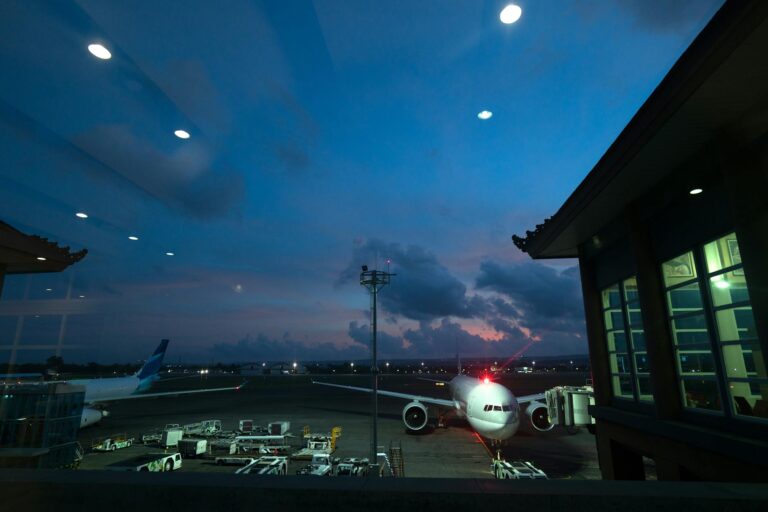
Multiple major airport incidents across the United States and Europe during March 2026 have disrupted travel plans for hundreds of thousands of passengers. Most notably, an Air Canada Flight 8646 experienced a runway collision with ground support equipment at New York’s LaGuardia Airport on March 23, forcing temporary runway closures and creating cascade delays throughout the Northeast. Within a single week, travelers faced compounding challenges from a Denver power outage, Berlin airport strike, TSA staffing shortages, and an FAA ground stop in Newark—each event stranding passengers and overwhelming airline rebooking systems. This article examines the scope of these disruptions, their underlying causes, how they affected vulnerable travelers including older adults and those with caregivers, and what steps airports and travelers can take to prepare for future incidents.
Airport disruptions of this magnitude create ripple effects far beyond the immediate incident site. When a major hub experiences runway closures or security screening delays, secondary airports become congested as airlines reroute flights. Passengers with connections face missed flights and cascading cancellations. For older travelers, people with cognitive concerns, and those traveling with caregivers, airport chaos creates particular stress—navigating rebooking, managing medications on extended layovers, and handling the physical demands of unexpected terminal time become serious health considerations.
Table of Contents
- What Caused the Major Airport Incidents of March 2026?
- The Scale of Passenger Impact and Ripple Effects
- How Airport Incidents Create Cascading Delays Across the Network
- Preparing for Airport Disruptions—Practical Steps for Travelers
- Special Considerations for Older Adults, Caregivers, and Passengers with Health Concerns
- Infrastructure Vulnerabilities Revealed by March’s Disruptions
- Ongoing Pressures Shaping Future Airport Disruptions
- Conclusion
What Caused the Major Airport Incidents of March 2026?
The cascade of airport disruptions in March 2026 stemmed from multiple, distinct causes rather than a single system failure. The Air Canada incident at LaGuardia involved a runway collision with ground support equipment—a mechanical accident that forced the temporary closure of critical runways and created standby lists exceeding 300 passengers. The Denver International Airport experienced a major power failure on March 19 around 9:20 a.m. that disabled inter-terminal train service and disrupted airport systems during peak travel hours. At Berlin Brandenburg Airport, a complete staff strike on March 18 resulted in the cancellation of all 445 flight movements, affecting approximately 57,000 passengers in a single day.
In the United States, TSA staffing shortages created a different type of bottleneck. On March 21, staffing shortages and equipment failures caused 4-hour security delays at Houston, new Orleans, and other major hubs, affecting approximately 47,000 passengers. Philadelphia International closed three security checkpoints entirely due to staff unavailability. Meanwhile, an FAA ground stop was issued at Newark Liberty on March 22-23 after air traffic controllers evacuated the tower due to a burning smell from an elevator—illustrating how infrastructure failures in unexpected areas can paralyze entire airports. These incidents reveal that airport disruptions don’t follow a single pattern; they can result from mechanical failures, labor actions, staffing shortages, or building system failures.

The Scale of Passenger Impact and Ripple Effects
The affected passenger counts provide a sobering picture of modern airport dependency. Berlin’s strike alone stranded 57,000 passengers in a single day with no flights departing or arriving. The TSA staffing crisis affected 47,000 passengers across multiple airports, with some travelers waiting four hours or longer just to pass through security screening. The Air Canada incident at LaGuardia created secondary delays at Chicago O’Hare, Boston Logan, and Newark Liberty—demonstrating how a single incident at a major hub affects the entire national air network. However, it’s important to note that while these figures are substantial, they represent a small percentage of the millions of daily air travelers in these regions.
Most airports continue operating normally even when one or more facilities face disruptions. One significant limitation of air travel is the lack of redundancy in the system. Unlike highway travel where a closed route can be replaced by alternate roads, or train travel where parallel routes sometimes exist, major airports often operate with limited capacity buffers. When a facility closes even partially, the system rapidly becomes saturated. Additionally, rebooking systems in airline reservation software struggle under sudden surges in demand, leading to long hold times and limited available seats on alternative flights. Passengers with tight connections through major hubs faced the highest risk, as missed connections cascaded into days of delays.
How Airport Incidents Create Cascading Delays Across the Network
When a single airport experiences runway closures or security delays, the effects spread quickly through the interconnected flight network. The Air Canada incident at LaGuardia created standby lists exceeding 300 passengers—but more importantly, every flight that would have used those runways had to be rerouted or delayed. Some of those delayed flights were connecting flights, meaning passengers booked on subsequent legs missed their connections. An aircraft that should have turned around and made three flights in a day instead made one, further reducing available capacity. The cascade effect operates differently depending on the airport’s role in the network.
LaGuardia and Newark serve as connection points for flights across the Northeast, so delays there affect travelers heading to Florida, the Caribbean, and beyond. Denver International is a major hub for connections to the Southwest and Mountain West regions. When these airports experience disruptions, secondary airports including Chicago O’Hare, Boston Logan, and other regional hubs feel the pressure as airlines attempt to reroute flights. A traveler originally booked on a direct flight from New York to Denver might end up on a connecting flight through Chicago, arriving 12 or more hours late. This cascading pattern means that even passengers not directly affected by the incident still experience delays.

Preparing for Airport Disruptions—Practical Steps for Travelers
Experienced travelers recognize that some level of airport disruption is nearly inevitable during any trip. The most effective preparation involves building buffer time into connections and understanding airline policies. Rather than booking a connection with a 60-minute layover, travelers should plan for at least two hours between flights when connecting through major hubs, and longer during busy periods. Keeping medications, essential documents, and one change of clothes in carry-on luggage protects against loss of checked baggage during rebooking scenarios. Download airline apps and enable text alerts so you receive notifications of delays directly rather than relying on airport announcements alone.
The tradeoff between convenience and flexibility shapes many travel decisions. Booking nonstop flights costs more than connecting flights, but eliminates the risk of missing connections during disruptions. Purchasing refundable tickets or airline-specific travel insurance protects against monetary loss if flights are cancelled, though these options cost considerably more. Arriving at the airport significantly earlier than the standard 2 hours for domestic flights—potentially 3 hours during periods when airports are reporting extended security wait times—trades comfort and time for confidence that you won’t miss your flight. For older adults and those with caregivers, this earlier arrival time is often advisable given the physical demands of navigating congested terminals.
Special Considerations for Older Adults, Caregivers, and Passengers with Health Concerns
Airport disruptions create particular challenges for older travelers and those traveling with caregivers. Extended layovers, missed connections, and time spent standing in congested terminals create physical stress that affects stamina and health. For individuals with cognitive concerns or memory challenges, changes to flight times and terminal assignments can create confusion and stress. A caregiver managing an older adult through a multi-hour airport delay faces constant demands—ensuring medications are taken on schedule, managing bathroom breaks, handling the emotional stress of the situation. Airport infrastructure itself becomes a concern during disruptions. When terminals become congested, finding accessible seating becomes difficult.
Accessible bathrooms have lines. Concessions and restaurants operating at normal capacity cannot handle a surge of stranded passengers. Individuals with mobility limitations may struggle to navigate congested corridors. For people with dementia or significant cognitive decline, the sensory overload of a crowded, disrupted airport—with changed gates, revised flight information, and crowds of frustrated travelers—can trigger significant distress or behavioral changes. Caregivers should carry printed copies of flight information, seat assignments, and contact numbers rather than relying solely on phone apps that might be difficult to navigate under stress. Bringing extra supplies of any regular medications (beyond the minimum needed for the trip) is essential, since medication refills in unfamiliar cities create additional complications.

Infrastructure Vulnerabilities Revealed by March’s Disruptions
The March 2026 incidents exposed specific infrastructure vulnerabilities in airport operations. Denver’s power outage demonstrates the critical role that electrical systems play in modern airports—inter-terminal trains couldn’t operate, access systems were affected, and airport operations essentially froze despite the airport having no flight schedule problems. The Newark tower evacuation due to an elevator malfunction revealed that even critical facilities like air traffic control towers can have building systems failures that force evacuation. This illustrates a broader vulnerability: airports depend on dozens of interconnected systems, and failure in unexpected areas can cascade into complete operational shutdowns.
The TSA staffing shortages reveal a different vulnerability—adequate workforce capacity during peak periods. Philadelphia’s decision to close three security checkpoints entirely resulted from inability to staff them, not from broken equipment. Houston and New Orleans experienced 4-hour waits because available screeners couldn’t process the volume of passengers. This staffing pattern typically worsens during spring and summer travel season, suggesting that current conditions at major hubs may deteriorate further as vacation travel increases. For travelers planning trips in coming weeks, this staffing reality means arriving earlier than normal remains prudent.
Ongoing Pressures Shaping Future Airport Disruptions
Looking forward, several pressures continue shaping airport disruptions and travel reliability. The ongoing Middle East conflict has driven jet fuel costs higher—United Airlines has announced flight cuts over the next six months specifically due to doubled fuel prices. When airlines reduce flight capacity in response to fuel costs, remaining flights fill more completely, reducing flexibility when disruptions occur. A cancelled flight on a less-congested day might see affected passengers rebooking within hours; a cancelled flight when the schedule is already full might leave passengers waiting days for available seats.
Staffing pressures appear structural rather than temporary. The TSA staffing challenges reported in March reflect broader labor market conditions and government budget constraints rather than a single temporary event. Travel demand continues climbing, but airport security staffing has not kept pace. This mismatch suggests that extended wait times during peak periods will likely persist through the coming year. Travelers should expect that security waits of 2+ hours at major hubs like Atlanta and Houston are becoming routine during busy travel periods, requiring earlier airport arrival times and adjusted expectations about the pace of airport movement.
Conclusion
The airport disruptions of March 2026—from the Air Canada runway incident at LaGuardia to the Denver power outage, Berlin staff strike, TSA staffing shortages, and Newark FAA ground stop—affected hundreds of thousands of passengers and revealed ongoing vulnerabilities in airport infrastructure and staffing. These incidents didn’t stem from a single cause but rather demonstrated how diverse failure points can disrupt air travel: mechanical failures, labor actions, power systems, staffing capacity, and building infrastructure all contributed to cascading delays across the national network.
For older travelers, caregivers managing individuals with cognitive concerns, and anyone with health considerations, airport disruptions create both logistical and physical challenges that require advance planning. Moving forward, travelers should expect that airport disruptions will remain occasional but recurrent, and that advanced planning—building buffer time, arriving early, carrying essential medications and documents in carry-on luggage, and understanding airline policies—can substantially reduce the impact of disruptions when they occur. For caregivers and family members supporting older adults or individuals with health challenges through air travel, recognizing that disruptions will happen and building resilience and flexibility into travel plans protects both the traveler and the caregiver from unnecessary stress.