The 2026 WHO dementia guideline says diabetes management may be offered to adults with diabetes to lower cognitive decline and dementia risk. Adults over 65 can log A1C results, blood pressure, cholesterol, activity, tobacco use, and social activity for clinician review without self-diagnosing.
A1C measures average blood sugar over about 3 months. According to the U.S. CDC, most people with diabetes have it tested at least twice yearly the CDC A1C page.
Medical information disclaimer: This article is for general educational purposes only and does not provide medical advice, diagnosis, or treatment. Always consult a physician or other qualified health professional about symptoms, medications, tests, or treatment decisions.
Official resources:
- Read the official guidance from Who — Use this primary source to verify the official guidance.
- Read the official guidance from CDC — Use this primary source to verify the official guidance.
Table of Contents
- What the 2026 guideline says about diabetes
- Why diabetes matters more after 65
- What can you log without diagnosing?
- How to make the visit count
What the 2026 guideline says about diabetes
WHO released the second edition of its cognitive-decline and dementia risk-reduction guidelines on 15 July 2026. According to the WHO news release, the release updates the 2019 edition and states up to 45% of dementia risk could be prevented or delayed the WHO news release.
The Guideline Central summary states diabetes management may be offered to adults with diabetes to reduce cognitive decline or dementia risk the Guideline Central summary. The grading is conditional with very-low certainty.
Why diabetes matters more after 65
Medical News Today, reporting on the WHO guidelines, notes people with type 2 diabetes have 50-100% higher dementia risk than people without diabetes. That gap makes steady diabetes care especially relevant after age 65.
The International Diabetes Federation Europe notes diabetes raises Alzheimer risk about 1.5-fold and vascular dementia risk about 2.5-fold. It also notes dementia can impair diabetes self-management, which creates risk in both directions for older adults.
What can you log without diagnosing?
A home log does not diagnose diabetes, prediabetes, or dementia. It gives the clinician dated results and patterns to interpret alongside lab tests and memory checks.
Use one notebook or file and record the test date for each entry. The U.S. CDC lists A1C results plus blood pressure, cholesterol, activity, tobacco use, and social and cognitive activity as items adults can track for review.
- A1C date and lab value from the clinic report
- Blood pressure and cholesterol results when measured
- Weekly activity, tobacco use, and social or thinking activities
How to make the visit count
The diabetes recommendation is conditional because the evidence certainty is very low. The Guideline Central summary therefore frames tracking as a prompt for clinical diabetes and cognitive assessment, not a personal diagnosis.
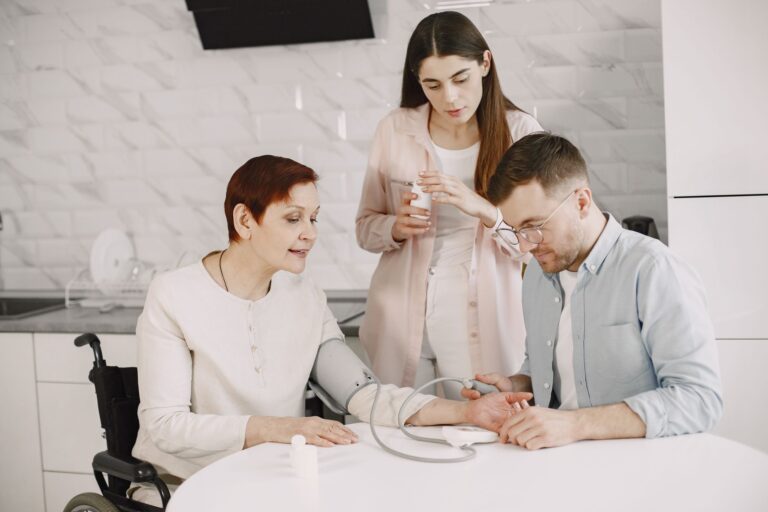
Bring recent A1C reports, your blood pressure and cholesterol notes, and a short list of daily activities and tobacco use. Mention missed doses, low or high sugar episodes, and any memory or planning changes. Bring your log and medication list, and ask whether you need diabetes, blood pressure, or memory testing.
You Might Also Like
- Hearing Aids in the 2026 WHO Dementia Guideline: What Adults Over 65 Can Track Without Self-Diagnosing
- Blood Pressure in the 2026 WHO Dementia Guideline: What Adults Over 65 Can Track Without Self-Diagnosing
- Air Pollution in the 2026 WHO Dementia Guideline: What Adults Over 65 Can Track Without Self-Diagnosing