The World Health Organization's 2026 dementia prevention guideline now names air pollution as a modifiable risk factor, alongside blood pressure, diabetes, and smoking. For adults in midlife — roughly ages 45 to 65 — this adds one more lever to pull, but it works best alongside the better-established steps, not instead of them. WHO released the second edition of "Risk reduction of cognitive decline and dementia: WHO guidelines" on 15 July 2026, its first major revision since 2019, expanding its review from 12 to 20 modifiable risk factors. The agency estimates that managing these factors — including air pollution, hypertension, diabetes, high cholesterol, tobacco, alcohol, physical inactivity, and social isolation — could prevent or delay up to 45% of dementia cases worldwide, according to WHO's announcement.
Medical information disclaimer: This article is for general educational purposes only and does not provide medical advice, diagnosis, or treatment. Always consult a physician or other qualified health professional about symptoms, medications, tests, or treatment decisions.
Official resources:
- Read the official guidance from Who — Use this primary source to verify the official guidance.
- Read the official guidance from Who — Use this primary source to verify the official guidance.
Table of Contents
- What the Guideline Actually Says About Air Pollution
- Why WHO Included a Low-Certainty Recommendation
- Building a Multidomain Plan, Not a Single Fix
- What Individuals Can Actually Control
- Frequently Asked Questions
What the Guideline Actually Says About Air Pollution
The 2026 edition adds new recommendations to reduce exposure to two distinct sources: ambient air pollution (outdoor fine particulate matter, known as PM2.5) and household air pollution, typically from indoor burning of solid fuels for cooking or heating. Neither recommendation appeared in the 2019 edition, according to the WHO guideline document. PM2.5 refers to airborne particles smaller than 2.5 micrometers — small enough to pass from the lungs into the bloodstream.
A 2025 Burden of Proof meta-analysis published in Nature Aging found that long-term exposure to ambient PM2.5 is associated with increased dementia risk, part of the evidence base WHO drew on for this addition, per the Nature Aging study. WHO rates both air pollution recommendations as "conditional," with "very low certainty of evidence." That rating reflects the fact that the supporting research is observational rather than from randomized trials, according to the WHO guideline document. A conditional recommendation with low-certainty evidence is not a weak signal to ignore, but it does carry less confidence than WHO's recommendations on, say, physical activity.
Why WHO Included a Low-Certainty Recommendation
If the evidence is uncertain, why recommend it at all? WHO's regional office, PAHO, explains that the case rests on consistency across multiple studies plus air pollution's already-documented harm to cardiovascular and respiratory health — harms that independently raise dementia risk through vascular and inflammatory pathways, according to PAHO's summary. In practice, this means air pollution doesn't need to damage brain tissue directly to matter. Polluted air can contribute to high blood pressure and heart disease, both of which are independently tied to higher dementia risk.
Reducing exposure addresses a risk factor that compounds with others rather than acting alone. This is also why WHO frames its recommendations as a life-course strategy, not a single prescription. Action is likely to matter most during midlife, when cardiometabolic and environmental exposures still have decades to influence later-life brain health, according to Health Canada's summary of the guidance.
Building a Multidomain Plan, Not a Single Fix
WHO's guideline recommends individualized, multidomain interventions that address at least three relevant risk factors at once — for example, reducing air pollution exposure alongside controlling blood pressure and increasing physical activity — rather than targeting one factor in isolation, according to a clinical summary of the guideline. For adults with normal cognition, WHO strongly recommends physical activity to reduce cognitive decline.
It also issues conditional recommendations for cognitive training, social engagement, and hearing aids for those with hearing loss — all of which fit alongside air-quality steps in a midlife plan, according to the WHO guideline document. A realistic plan for someone in their 40s or 50s might combine:.
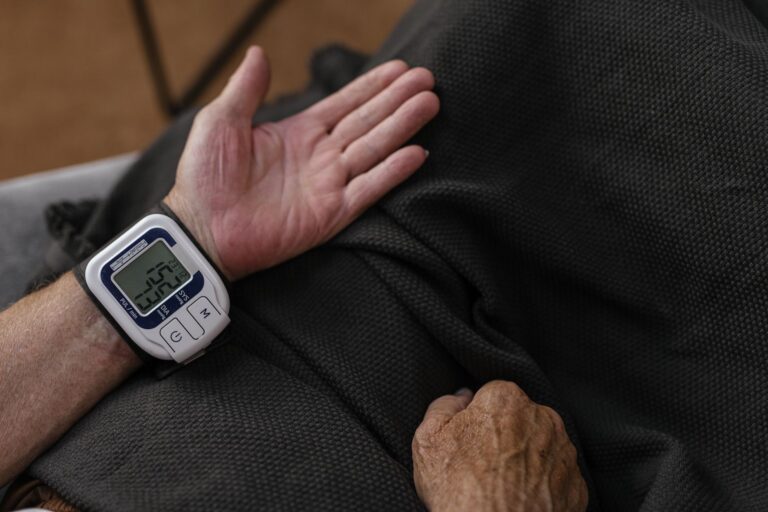
- Blood pressure checks and management, since hypertension carries stronger evidence than air pollution
- Regular physical activity, WHO's strongly recommended factor
- Reduced air pollution exposure where practical
- Attention to hearing loss, social engagement, and mental stimulation
- Avoiding tobacco and limiting alcohol
What Individuals Can Actually Control
WHO's air pollution recommendations target population and policy-level exposure — clean cooking fuels, air quality standards, emissions regulation — rather than individual clinical interventions. For a single adult, this means the most evidence-backed personal actions remain blood pressure control, exercise, and avoiding tobacco and alcohol. Reducing personal exposure to air pollution is a supporting measure, but one with lower individual-level certainty than those core steps, according to Medical News Today's coverage of the guideline.
That distinction matters for setting priorities. Someone weighing where to put limited time or money is better served fixing blood pressure and building an exercise habit than installing an elaborate air filtration system. Still, where it's low-effort, reducing exposure is a reasonable add-on: None of these steps requires a doctor's visit, which is part of why WHO lists them even with low-certainty evidence behind them — they carry little downside and some documented cardiovascular benefit regardless of their effect on dementia risk specifically.
- Avoiding prolonged time near heavy traffic corridors when possible
- Using indoor air filtration in homes near major pollution sources
- Switching to clean cooking fuel where solid-fuel stoves are in use
- Checking local air quality indexes during high-pollution days
Frequently Asked Questions
Does WHO say air pollution causes dementia?
No. WHO rates the air pollution recommendation as conditional with very low certainty of evidence, based on consistent observational associations rather than proven causation, according to the WHO guideline document.
Is air pollution as important as blood pressure for dementia risk?
No. Blood pressure and other cardiometabolic factors have stronger, longer-established evidence. Air pollution is a newly added, lower-certainty factor meant to supplement those steps, according to Medical News Today.
What age should someone start focusing on these risk factors?
WHO frames risk reduction as a life-course issue, but notes midlife — roughly ages 45 to 65 — offers the longest remaining window for action to affect later-life brain health, according to Health Canada.
You Might Also Like
- Hearing Aids in the 2026 WHO Dementia Guideline: How Adults in Midlife Can Build a Realistic Brain Health Plan
- Blood Pressure in the 2026 WHO Dementia Guideline: How Adults in Midlife Can Build a Realistic Brain Health Plan
- The WHO 45% Modifiable Dementia Risk Estimate in 2026: How Adults in Midlife Can Build a Realistic Brain Health Plan